Tenant improvement costs are among the first numbers any business owner or broker wants to know. Quoting them per square foot makes spaces easy to compare. Yet that single figure hides a mix of trades: demolition, framing, drywall, ceilings, flooring, electrical, plumbing, fire protection, and HVAC. Each one moves the total in its own way. This guide breaks down what goes into the number, why HVAC and mechanical work matter so much, and how to build a budget you can trust.
Tenants, landlords, and brokers can use it to set realistic expectations before signing a lease.

What Tenant Improvement Costs Include
In most cases, a full tenant improvement budget covers:
- Soft costs: design fees, engineering, permits, and project management
- Demolition: removing old walls, ceilings, and finishes
- Interior construction: framing, drywall, doors, and ceilings
- Finishes: paint, flooring, millwork, and fixtures
- Mechanical: HVAC equipment, ductwork, and controls
- Electrical: power, lighting, and data
- Plumbing: restrooms, sinks, and water heaters
- Fire protection: sprinklers and alarms
- General conditions: supervision, cleanup, and site costs
Of course, each piece varies with the space, the use, and the finish level.
Why Tenant Improvement Costs Vary So Much
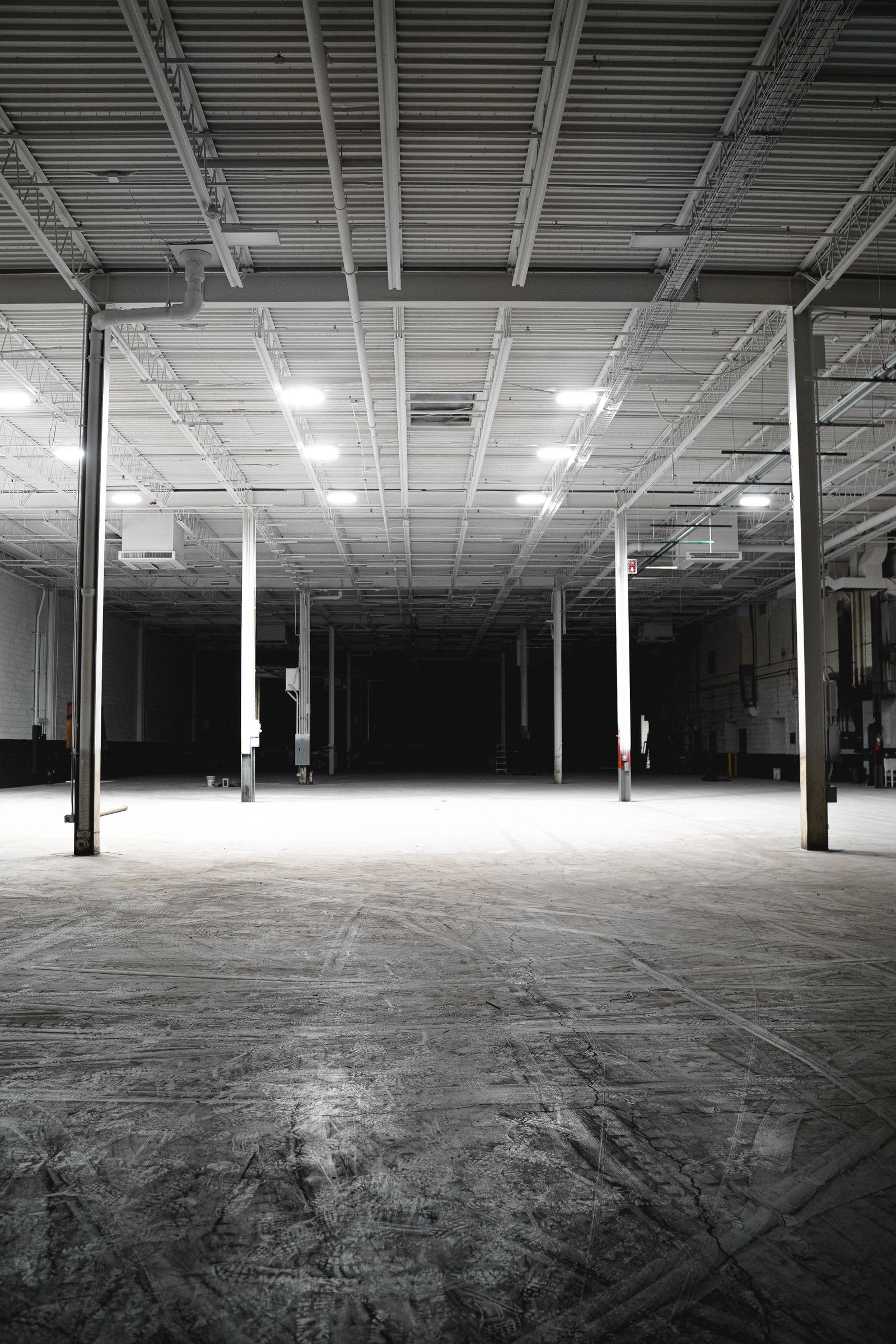
First, two spaces of the same size can have very different budgets. A second-generation office with usable walls, ceilings, and HVAC might need only paint and carpet. By contrast, a cold shell needs everything from scratch. Likewise, a restaurant or medical office needs far more mechanical and plumbing work than a simple office.
So use per-square-foot figures as a starting point, not a final answer. Then refine the number as the design takes shape.
The Role of HVAC in Tenant Improvement Costs
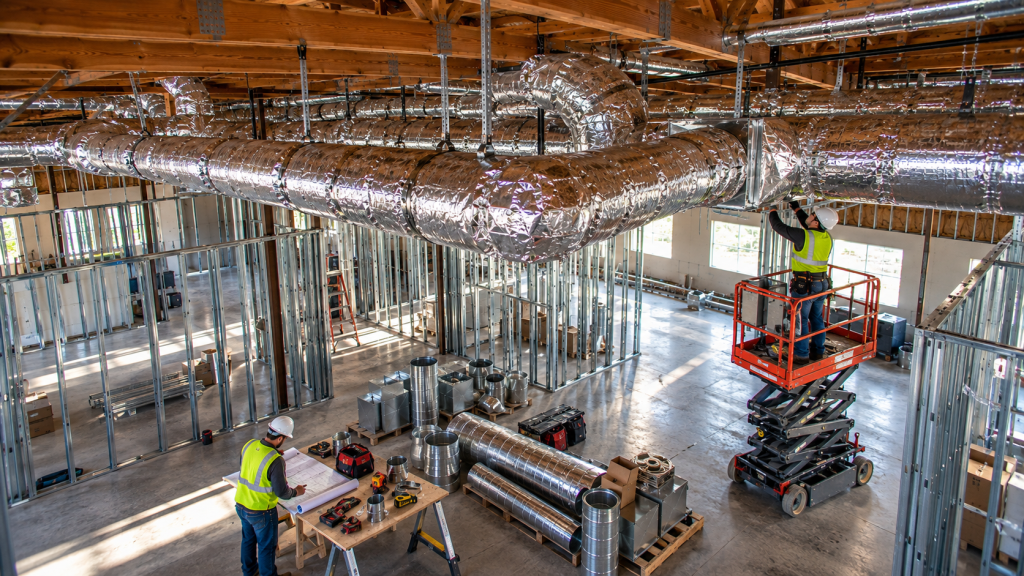
In most build-outs, the mechanical package lands near the top of the cost list. For a cold shell, the tenant may need new rooftop units, ductwork, diffusers, controls, and exhaust. Meanwhile, a second-generation space may need new zones, moved diffusers, or new equipment.
Also, HVAC brings hidden costs: crane lifts, roof work, structural support, electrical upgrades, and testing and balancing. These items can surprise owners if they are not in the budget.
Mechanical Cost Drivers
In general, several factors push HVAC and mechanical costs up or down:
- Cooling load based on use, people, and equipment
- Number of zones and level of control
- Condition of existing equipment
- Ductwork length and complexity
- Special exhaust for kitchens, labs, or salons
- Roof access and crane needs
- Local climate and energy code rules
Construction Cost Drivers
Beyond HVAC, other trades shape the budget, too. Wall density matters: an office full of private rooms costs more than an open plan. Ceiling type matters: open ceilings may cost less in materials but require painted ductwork. Flooring, lighting, and millwork choices can swing costs widely.
Similarly, the building itself plays a role. Older buildings may need code upgrades to restrooms, exits, or fire systems. High-rise buildings may require after-hours work and freight elevator time.
Soft Costs and Permits
In addition, design, engineering, and permits add to the total. Architects and engineers charge fees for drawings and construction support. Cities charge permit and plan review fees. Some projects also need commissioning or special inspections. Include all of these from the start.
Cost Ranges by Use Type
Although exact numbers vary by market, the ranking is fairly steady, as follows:
- Warehouse office areas: usually the lowest cost.
- General office: moderate, rising with private rooms and finishes.
- Retail: moderate, depending on storefront and finishes.
- Medical and dental: higher, due to plumbing, HVAC, and specialty systems.
- Restaurants: often the highest, due to kitchen exhaust, makeup air, grease systems, and gas.
For HVAC-specific numbers, see our post on HVAC costs per square foot.
Building a Realistic Budget
- Start with a range. Use a per-square-foot figure for your use type.
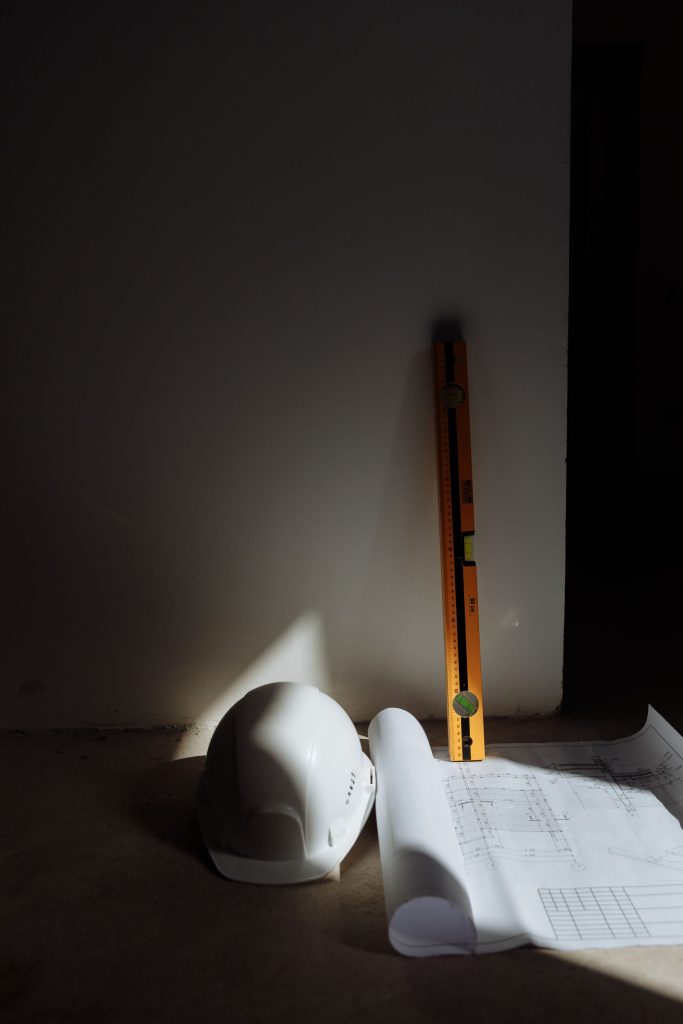
- Survey the space. Check existing HVAC, electrical, plumbing, and ceilings.
- Sketch a layout. Count rooms, restrooms, and special areas.
- Get trade input. Ask contractors for budget pricing on major systems.
- Add soft costs. Include design, permits, and fees.
- Carry a contingency. Plan for hidden conditions.
TI Allowances
Fortunately, most leases include a tenant improvement allowance from the landlord. It may cover all or part of the build-out. Read the terms closely. For example, some allowances cover only hard construction costs. Others, however, include design fees. Knowing your real tenant improvement costs helps you negotiate a better allowance.
Ways to Lower Tenant Improvement Costs
- First, choose second-generation space with usable systems.
- Reuse existing HVAC equipment when it fits the new use.
- Limit private offices in favor of open areas.
- Choose standard finishes for back-of-house areas.
- Order long-lead items early to avoid rush fees.
Timing and Market Conditions
Also, when you build affects price. Busy seasons push labor rates up. Material prices for steel, copper, and equipment shift with the market. Also, long lead times can force rush fees or temporary fixes. So lock in pricing early when you can. In addition, order key equipment as soon as the design is set. These steps keep tenant improvement costs from creeping up while you wait.
Second-Generation Space
Second-generation space is a suite that a past tenant already built out. It often has walls, ceilings, restrooms, and HVAC in place. That can cut costs a lot. However, the old layout may not fit your needs. Moving walls means moving ducts and lights too. So walk the space with a contractor before you sign. They can tell you what to keep and what to change. As a result, you get a real number, not a guess.
Questions to Ask Your Contractor
- What does your budget include, and what is left out?
- Can the existing HVAC serve our use?
- Do we need new electrical service?
- Which items have the longest lead times?
- How much contingency do you suggest?
Clear answers to these questions turn a rough guess into a solid number. They also show you which contractor really understands your space.
A Simple Way to Think About It
Overall, here is an easy rule. The more the space already has, the less you pay. The more special your use, the more you pay. A plain office in a built-out suite costs the least. A restaurant in an empty shell costs the most. Most projects fall somewhere in between. Knowing where you land helps you set a fair budget from the start.
Contingency: How Much Is Enough?
Simply put, every budget needs a cushion. Hidden problems show up in almost every build-out. For instance, old ducts may be dirty or crushed. Electrical panels may be full. Roof decks may need repair. A contingency covers these surprises without stopping the job. Generally, older buildings and cold shells need a bigger cushion than newer, second-generation suites. Ask your contractor for advice based on the space.
Common Budget Mistakes
Unfortunately, owners often forget soft costs, crane lifts, or electrical upgrades. Others assume existing HVAC will work without checking. Some skip contingency, then scramble when surprises appear. Avoid these mistakes by surveying early and asking detailed questions.
FAQ on Tenant Improvement Costs
What is the biggest driver of tenant improvement costs?
Usually the condition of the space and the intended use. Restaurants and medical spaces cost more than offices.
Do tenant improvement costs include furniture?
Typically not. Furniture, fixtures, and equipment are usually budgeted separately.
Plan Your Budget With Confidence
Accurate budgets start with real information. Visit our HVAC cost per square foot page, or request a budget review. The GSA also publishes general guidance on federal leasing and build-outs.