Tampa tenant improvement contractors face a climate that tests every HVAC system. Long, hot, humid summers push equipment hard. Afternoon storms soak roofs. Hurricanes threaten rooftop units every season. And moisture, left unchecked, leads to mold and musty smells. Across Tampa Bay, every business type needs the mechanical side done right. This guide explains how local contractors handle HVAC installs and renovations, from humidity control to hurricane tie-downs, licensing, and permits.
Tenants, landlords, and property managers can use it to plan better build-outs.
Why Tampa Is Tough on HVAC
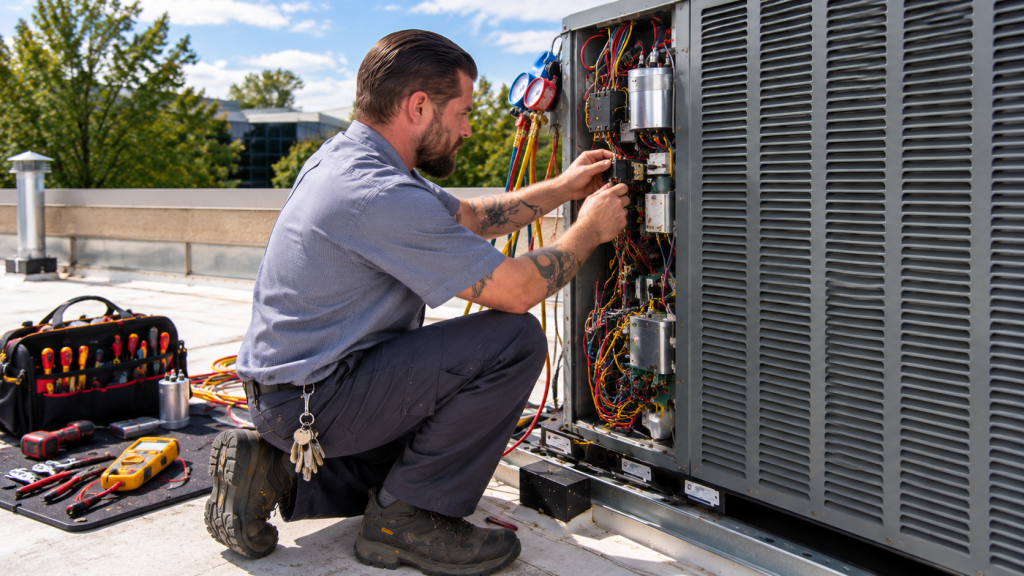
First, Tampa is hot and humid for much of the year. So air conditioners must remove both heat and moisture. When they fall short, spaces feel clammy, finishes swell, and mold can grow behind walls and above ceilings.
Meanwhile, salty coastal air eats away at metal. Strong storms bring wind, rain, and sometimes flooding. As a result, Tampa tenant improvement contractors plan for durability as much as comfort.
How Tampa Tenant Improvement Contractors Control Humidity
Above all, humidity control comes first. Several steps help:
- Right-sized equipment: Oversized units cool fast and shut off before removing moisture.
- Variable speed equipment: Runs longer at lower speeds, pulling more moisture from the air.
- Dedicated dehumidification: Some spaces need standalone dehumidifiers or reheat.
- Treated outdoor air: Fresh air should be dried before it enters the space.
- Tight ducts and building envelope: Leaks let humid air sneak in.
In addition, good controls matter. Humidity sensors can tell the system when to run longer to dry the air.
Hurricane Readiness
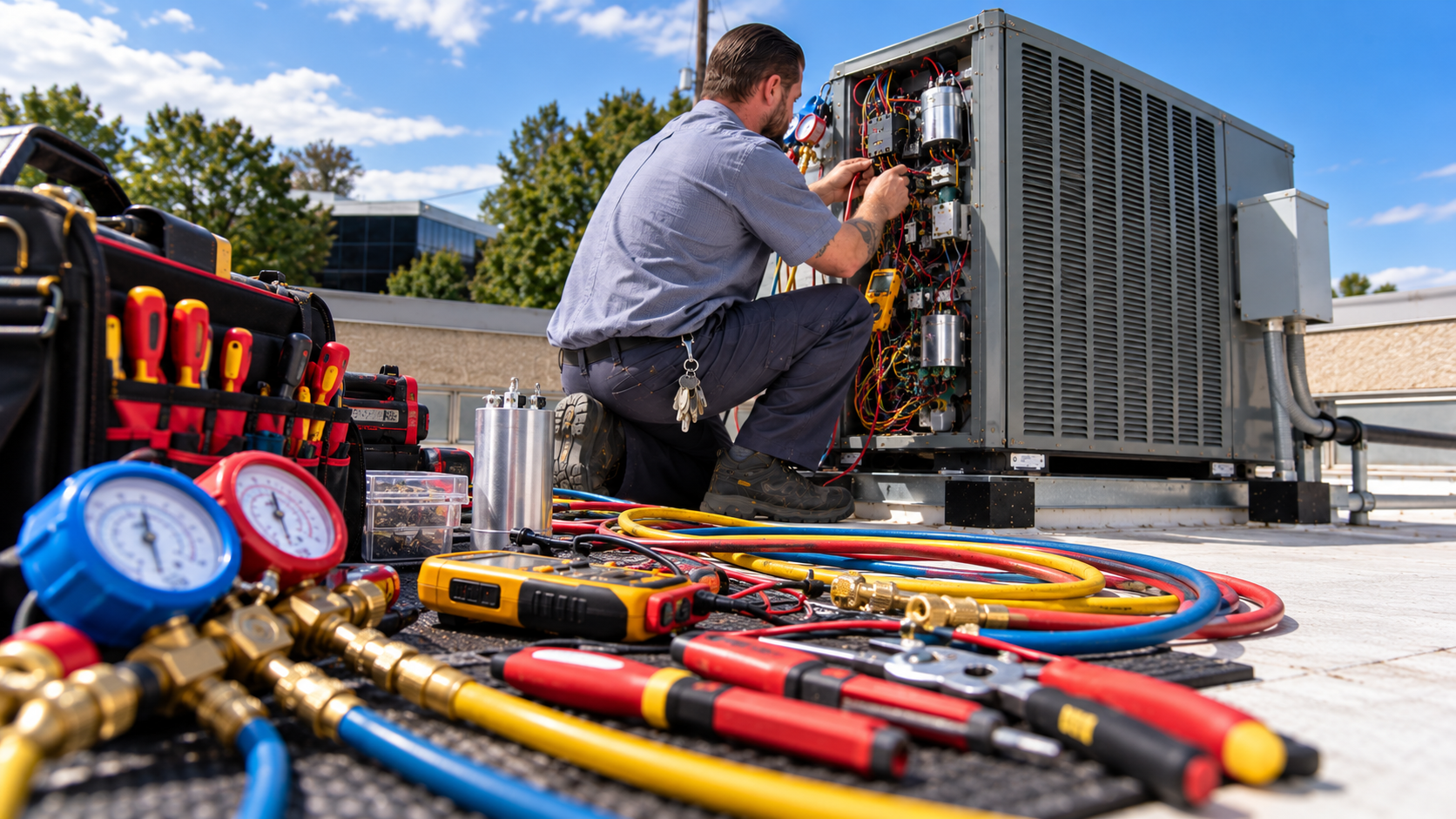
Of course, rooftop units must stay put in high winds. The Florida Building Code sets strict rules for how equipment is anchored to curbs and roofs. Tampa tenant improvement contractors install tie-downs, approved curbs, and fasteners that meet these rules.
In addition, many owners protect equipment with hail and debris guards. After a storm, a quick inspection helps catch damage early.
Corrosion Protection
Also, salty, damp air speeds rust, especially near the bay and the Gulf. For that reason, coil coatings, steel bolts that do not rust, and tough cabinets help gear last. Also, regular coil cleaning removes salt buildup. These steps cost a little more up front but often pay off over time.
New Installations
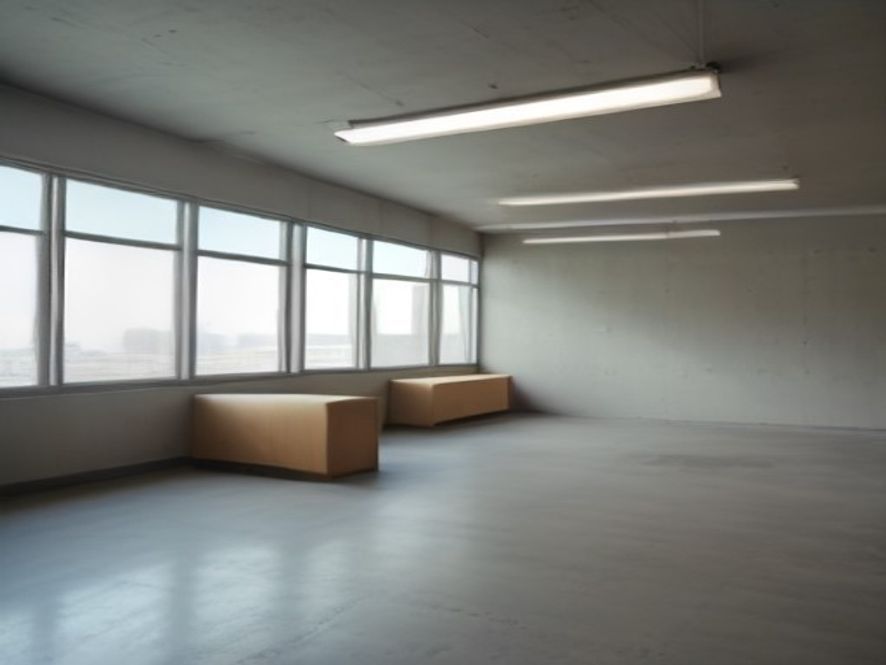
For new build-outs, the steps usually include:
- Surveying the space, roof, and electrical service
- Calculating loads with local heat and humidity conditions
- Selecting equipment with good moisture removal
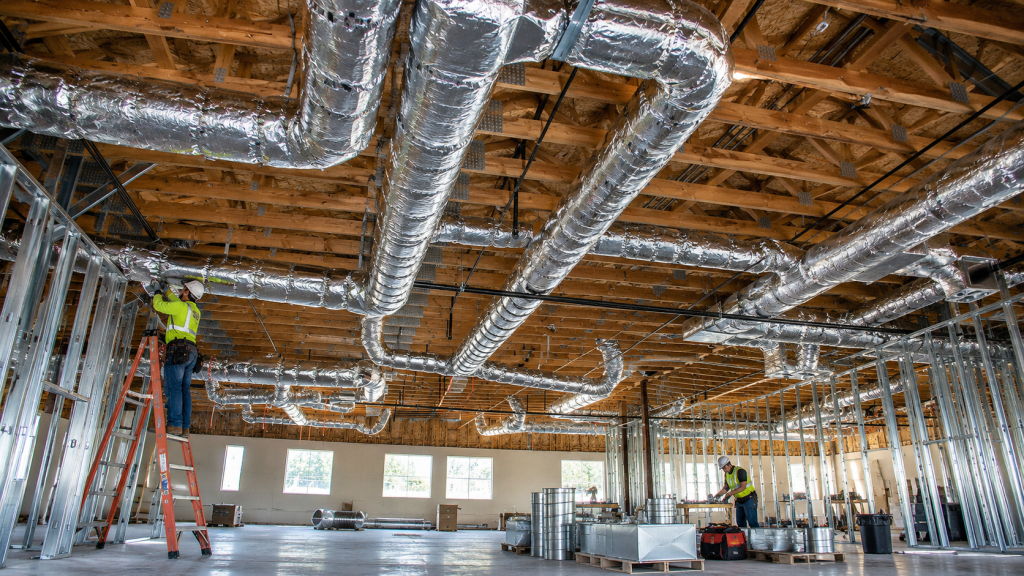
- Designing ductwork, zones, and ventilation
- Submitting for permits
- Installing curbs and tie-downs that meet wind rules
- Setting units, running ductwork, and wiring controls
- Starting up, testing, and balancing
Renovations by Tampa Tenant Improvement Contractors
However, many Tampa tenants move into existing spaces. Renovation work often includes replacing old rooftop units, adding zones, upgrading controls, and fixing humidity problems. Older systems may lack proper tie-downs or use refrigerants being phased down. A renovation is a good time to bring these items up to date.
Mold Prevention
Unfortunately, mold loves warm, damp spaces. HVAC plays a big role in prevention. So keep ducts sealed and wrapped. Let drain water flow freely. Keep humidity in check. Also, avoid long shutdowns during construction in summer, which can let moisture build up.
Permits and Licensing
Projects within city limits typically go through the City of Tampa. Areas outside the city often fall under Hillsborough County. Florida requires mechanical contractors to hold a state license, so confirm your contractor’s credentials before hiring.
Restaurants and Specialty Spaces
Restaurants need kitchen exhaust, makeup air, and careful pressure control. In Tampa, makeup air is hot and humid, so many kitchens use units that cool and dry incoming air. Clinics and labs need precise humidity control and extra ventilation. Learn more about our restaurant HVAC services.
Scheduling Around Storm Season
As you know, storm season runs through summer and fall. Crane lifts and roof work may need flexibility around storms. Plan exterior work with weather in mind, and secure loose materials on the roof when storms approach.
Why Local Know-How Matters
A contractor from a dry state may not plan for Tampa’s damp air. For example, the units may end up too big. Tie-downs might get skipped, and coil coatings forgotten. Each miss costs you later. By contrast, a local team plans for heat, water, wind, and salt from the start. So ask each bidder where they have worked. Then call a few of their past clients nearby.
Costs to Expect
Overall, costs depend on use, equipment type, roof work, and code rules. Wind-rated tie-downs, corrosion protection, and dehumidification add cost. However, they protect equipment and occupants, often saving money over the life of the system.
What to Do Before a Storm
When a storm heads toward Tampa, a little prep goes a long way. First, check that rooftop units are tied down well. Next, secure loose panels and covers. Then clear roof drains so water can flow. Finally, shut down equipment if the power company advises it. After the storm, inspect units before you restart them. Look for bent fins, loose panels, and water in electrical boxes. Good Tampa tenant improvement contractors offer post-storm checks for this reason.
How Tampa Tenant Improvement Contractors Keep Sites Dry
Build-outs in summer bring a special risk. Before the new system runs, the space can get very humid. Drywall soaks up moisture. Ceiling tiles sag. Mold can start within days. So many teams run temporary dehumidifiers during construction. Others start the new units early with clean filters. Either way, keep the space dry from the moment walls go up.
Medical and Office Spaces
Clinics need clean, dry air. Exam rooms and labs often need tight humidity control and good filters. Offices need quiet comfort and steady fresh air. In both cases, the outdoor air must be dried before it enters the room. Otherwise, the space feels sticky even when it is cool. A dedicated outdoor air unit or a unit with strong dehumidification is often the answer.
Easy Habits From Tampa Tenant Improvement Contractors
Small habits keep Tampa systems healthy. Change filters often. Clean the drain pans. Keep the condensate lines clear. Wash salt off the coils. Check the tie-downs once a year. Watch for musty smells, since they often mean moisture is building up. Each habit takes little time. Yet together, they add years to your units and keep the air fresh. Ask your contractor for a simple service plan that covers them all.
A Simple Checklist
- Size units for moisture, not just heat.
- Dry the fresh air before it comes in.
- Seal and wrap every duct.
- Tie down units to meet wind rules.
- Coat coils near the water.
- Keep the site dry while you build.
- Check units after every big storm.
Follow these steps, and your space will stay cool, dry, and safe. In short, the best Tampa tenant improvement contractors plan for water, wind, and salt from the very first day. It is the local way to build.
Choosing Tampa Tenant Improvement Contractors
Look for teams with recent Tampa Bay commercial experience. Ask about humidity control, hurricane tie-downs, corrosion protection, and permit experience in the city and county. Check references from local landlords. Visit our Tampa HVAC page to learn more.
FAQ on Tampa Tenant Improvement Contractors
Why do Tampa tenant improvement contractors focus on humidity?
Because high humidity causes discomfort, mold, and damage if the HVAC system does not control it.
Do rooftop units need special anchoring?
Yes. Florida’s building code requires equipment to resist hurricane-force winds.
Plan Your Tampa Build-Out
A well-designed system keeps your space dry, cool, and storm-ready. Reach our Florida team to discuss your project.