
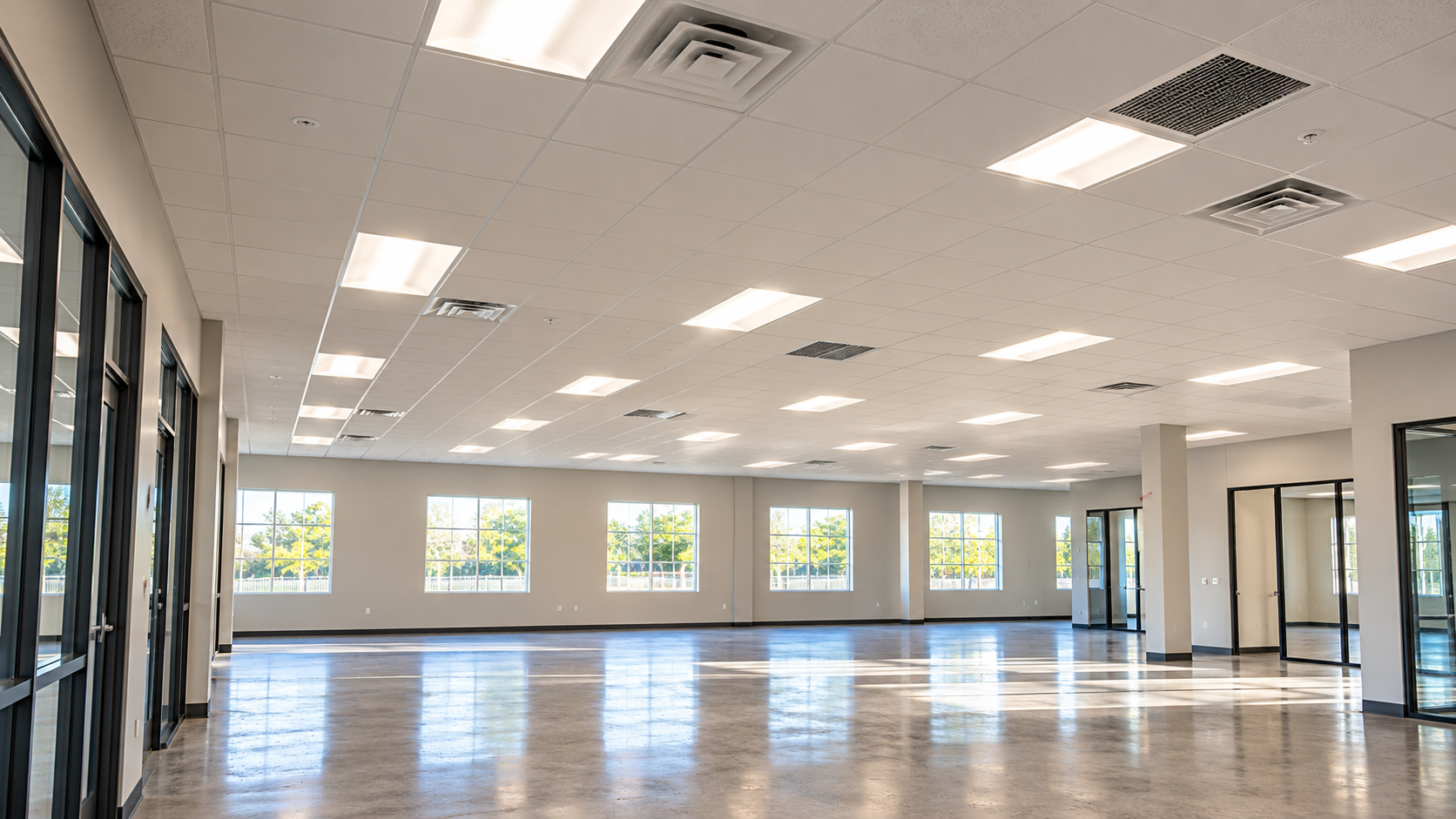
Seattle commercial ventilation works under some of the most advanced energy rules in the country. Washington’s energy code pushes buildings toward dedicated outdoor air systems, heat recovery, and tight controls. Meanwhile, summer wildfire smoke has made filtration a top concern for tenants. For anyone planning a tenant improvement or building renovation in Seattle, ventilation is no longer an afterthought. It shapes equipment choices, ceiling layouts, and budgets. This guide explains what to expect.
Tenants, landlords, architects, and builders can use it to plan smarter projects.
Why Ventilation Matters So Much in Seattle
First, Seattle has a mild climate. Summers are warm and dry, while winters are cool and damp. Because of that, many buildings need less cooling than in hotter cities. Ventilation, however, matters a lot. People need fresh air year-round, and the energy code sets strict rules for how buildings deliver it.
In addition, wildfire smoke in recent summers has made indoor air quality a real business issue. Tenants want spaces that stay healthy when outdoor air turns bad.
Washington’s Energy Code
Washington updates its energy code often through the State Building Code Council. The commercial code is known for being ambitious. Key themes include:
- Separating ventilation from heating and cooling in many building types
- Recovering energy from exhaust air
- Limiting fan power
- Requiring advanced controls
- Pushing toward electric heat pumps
Rules vary by building type, size, and project scope. Your mechanical engineer will confirm which apply to your space.
Dedicated Outdoor Air Systems
Put simply, a dedicated outdoor air system, or DOAS, handles fresh air apart from heating and cooling. It brings in fresh air, filters it, conditions it, and delivers it to each space. Meanwhile, separate equipment, such as heat pumps or fan coils, handles room temperature.
As a result, this approach offers several benefits. Ventilation stays steady no matter the room temperature. Fans for heating and cooling can turn down or off when not needed. As a result, the building saves energy and keeps air fresh. In Seattle commercial ventilation projects, a DOAS is often required or strongly encouraged.
Heat Recovery in Seattle Commercial Ventilation
Next, heat recovery units capture heat from outgoing exhaust air and transfer it to incoming fresh air. In winter, that means less energy is needed to warm outdoor air. In summer, the process can work in reverse.
These units are now common in Seattle commercial ventilation designs. They add equipment cost and need space, but they cut operating costs over time.
Seattle Commercial Ventilation and Wildfire Smoke
Unfortunately, wildfire smoke carries fine particles that can harm health. Higher-grade filters, such as MERV 13 or better, catch more of these particles. Many owners now design systems that can handle these filters without losing too much airflow.
During smoke events, building operators may also reduce outdoor air temporarily and rely on recirculated, filtered air. Good controls make this easier. Guidance from ASHRAE helps building teams plan for smoke.
Tenant Improvements in Existing Buildings
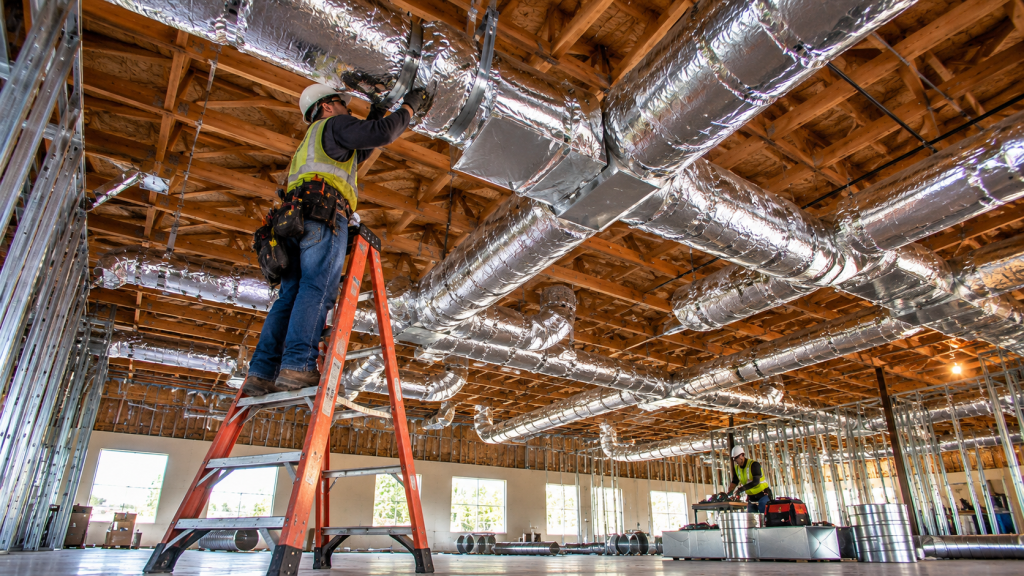
Meanwhile, many Seattle tenant improvements happen in older buildings. These spaces may have outdated systems that mix ventilation with heating and cooling. When a tenant renovates, the scope may trigger code upgrades.
Common TI ventilation work includes:
- Connecting to a building DOAS
- Adding or relocating supply and exhaust grilles
- Upgrading filters and controls
- Adding carbon dioxide sensors for demand-controlled ventilation
- Adding exhaust for restrooms, kitchens, and labs
Building Renovations
By contrast, larger renovations may replace entire systems. Owners often switch from gas-fired equipment to heat pumps with a DOAS. This change can improve efficiency and help meet climate goals. However, it requires careful planning for electrical capacity, roof space, and ceiling height.
Permits in Seattle
In Seattle, mechanical permits come through the Seattle Department of Construction and Inspections. Reviewers check ventilation rates, energy code compliance, and equipment selections. Many projects also require commissioning, which tests that systems work as designed.
Commissioning and Testing
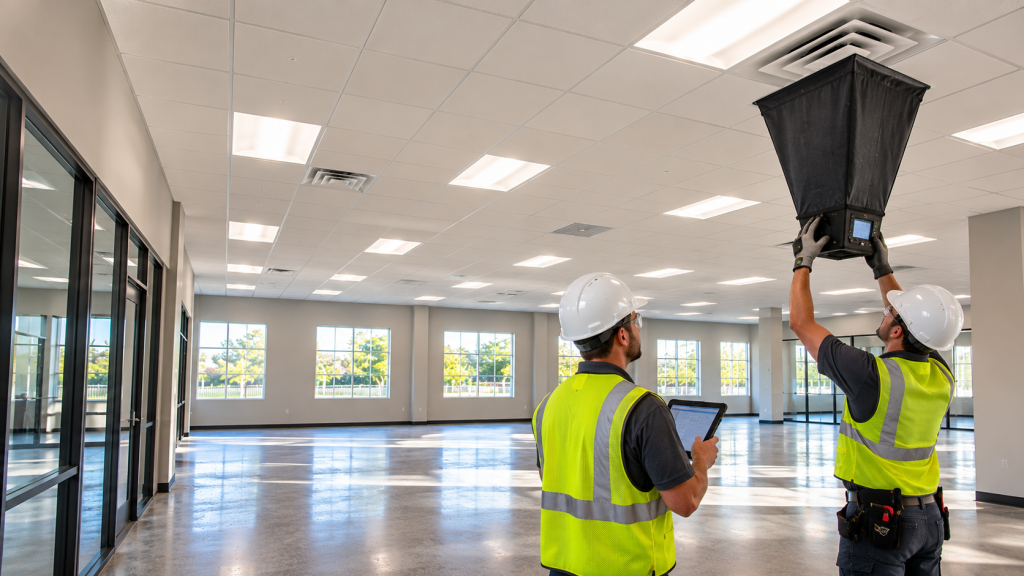
Also, Seattle’s energy code often requires commissioning for mechanical systems. A commissioning agent verifies that equipment, controls, and sequences perform correctly. This step happens near the end of construction, so build time for it into the schedule. Our post on acceptance testing and commissioning explains the general idea.
Seattle Commercial Ventilation for Restaurants and Labs
Food service spaces add hoods, roof fans, and replacement air. Here, that replacement air may need warming or heat recovery. Labs and biotech spaces need high ventilation rates, fume hoods, and careful pressure control. These uses often drive the biggest ventilation budgets.
Seattle Commercial Ventilation Costs
Seattle commercial ventilation can cost more than in other cities because of code requirements. DOAS units, heat recovery, advanced controls, and commissioning add cost. However, these systems often lower energy bills and improve air quality, which tenants value.
What This Means for Tenants
For tenants, the main point is simple. Plan for fresh air early. In Seattle, it can change the ceiling layout, the roof, and the budget. A space that looks ready may still need new ducts or a new outdoor air unit to meet code. So ask your landlord what the building already has. Then ask your engineer what your use will need.
The good news is that these systems make spaces healthier. Staff breathe cleaner air. Smoke days are easier to manage. Energy bills often go down over time. In short, good Seattle commercial ventilation is a real benefit, not just a rule.
Seattle Commercial Ventilation in Damp Winters
Seattle winters are damp. Cool, wet air can bring moisture inside. Good ventilation helps keep it in check. Exhaust fans in restrooms and kitchens remove steam. Heat recovery units warm incoming air, which also lowers its relative humidity. Together, these steps keep windows from fogging and walls from growing mold.
Seattle Commercial Ventilation and the Landlord
Many Seattle office towers already have a central DOAS. Tenants tie into it with ducts and controls. In that case, the landlord sets rules for how much air each suite gets. So read the tenant handbook. Ask for the base building drawings. Then design your space to fit. This saves money and avoids conflicts.
Why Tenants Care
People notice stale air. Often, they feel tired or get headaches, and focus slips. Fortunately, fresh air fixes that. So good air is not just a code rule. It is a perk that helps you keep staff and win clients. Many tenants now ask about air before they sign a lease.
Easy Wins for Better Air
Some fixes are quick. Change filters on time. Clean the outdoor air intake. Check that dampers open and close. Make sure exhaust fans run. Test the carbon dioxide sensors once a year. These steps cost little. Yet they keep air fresh and systems running well.
The Short Version
Here it is in plain words. Seattle wants fresh air and low energy use. So it often asks for a separate fresh air unit. It also asks you to save heat from the air you blow out. Good filters help on smoke days. A test at the end proves it all works. Plan for each of these steps early. Then your project will pass review and feel great inside.
Common Mistakes
- Underestimating code-triggered upgrades
- Not planning ceiling space for DOAS ducts
- Ignoring electrical capacity for heat pumps
- Skipping commissioning time in the schedule
- Choosing filters the system cannot handle
FAQ on Seattle Commercial Ventilation
Is a DOAS required for every Seattle project?
Not every one, but many building types and project scopes require or strongly favor it.
Can existing systems handle MERV 13 filters?
Sometimes. An engineer should check fan capacity first.
Plan Healthy Air for Your Space
Great ventilation supports health, comfort, and code compliance. Visit our Seattle HVAC page, or talk with our Pacific Northwest team.