HVAC costs per square foot can look wildly different depending on who moves into a space. An insurance office, a clothing boutique, and a busy taco shop might lease suites of the same size, yet their mechanical budgets will not be close. The reason is simple: each business makes heat, moisture, smoke, and odors in its own way, and the HVAC system has to handle all of it. This guide compares office, retail, and restaurant tenant improvements side by side, so you can see what drives each number.
Brokers, tenants, and landlords can use it to set expectations before lease terms are final.
Why Use HVAC Costs per Square Foot?
Early in a deal, there are no drawings. Still, everyone wants a ballpark. A per-square-foot figure gives a quick way to compare spaces and size an allowance. It works best when you compare similar uses. For instance, two offices of similar size and layout tend to land in a similar range.
However, the metric falls apart across different uses. A restaurant can cost several times more per foot than an office. So always match the number to the type of business.
What the Number Covers
When people quote HVAC costs per square foot, they usually include:
- Rooftop units or other cooling and heating equipment
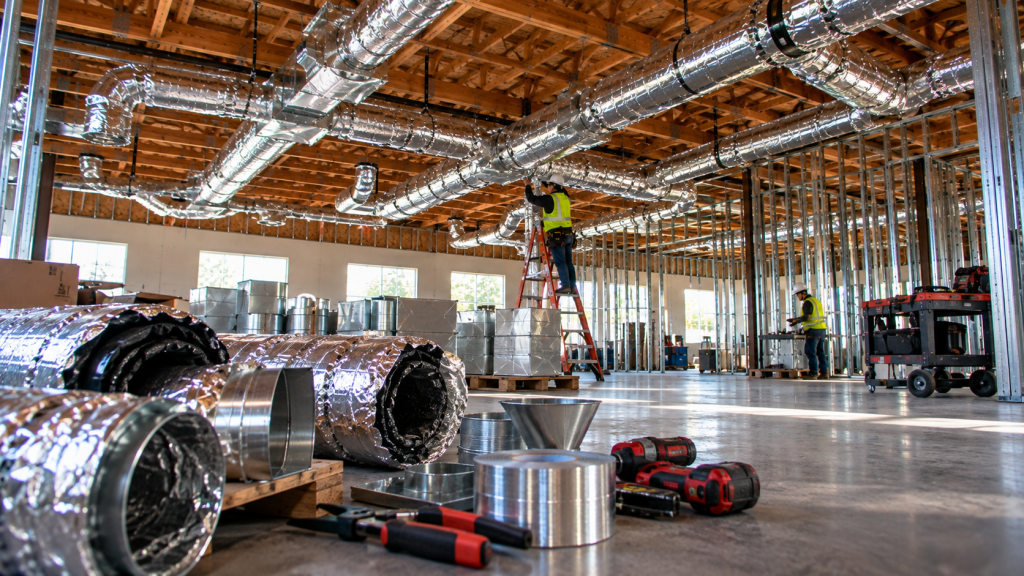
- All the duct runs for air in and out
- Room outlets plus zone boxes
- Thermostats and controls
- Exhaust fans
- Crane lifts and roof work
- Start-up, testing, and balancing
Some quotes also include design fees, permits, and electrical connections. Others leave them out. So always ask what is included before comparing.
Office HVAC Costs per Square Foot
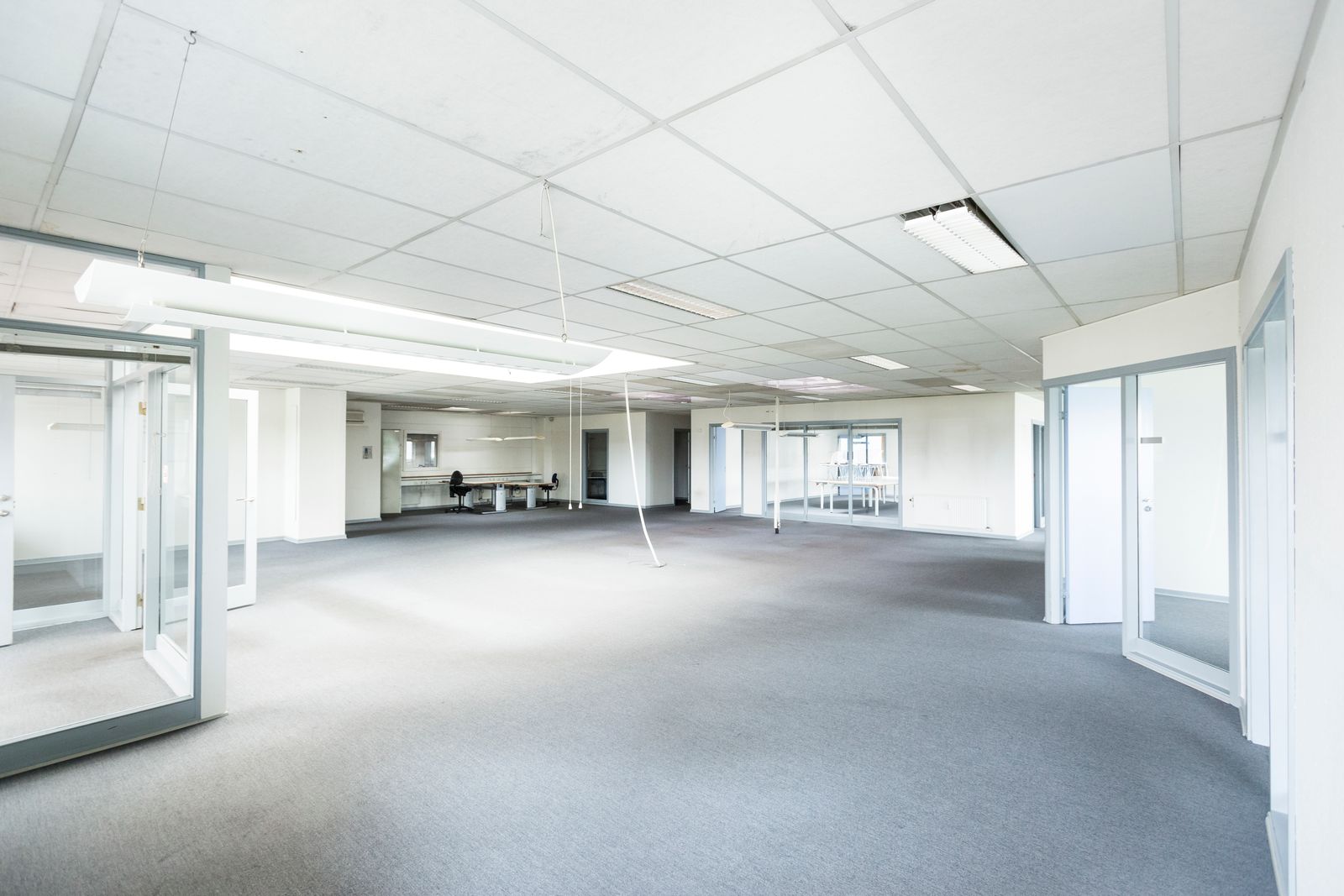
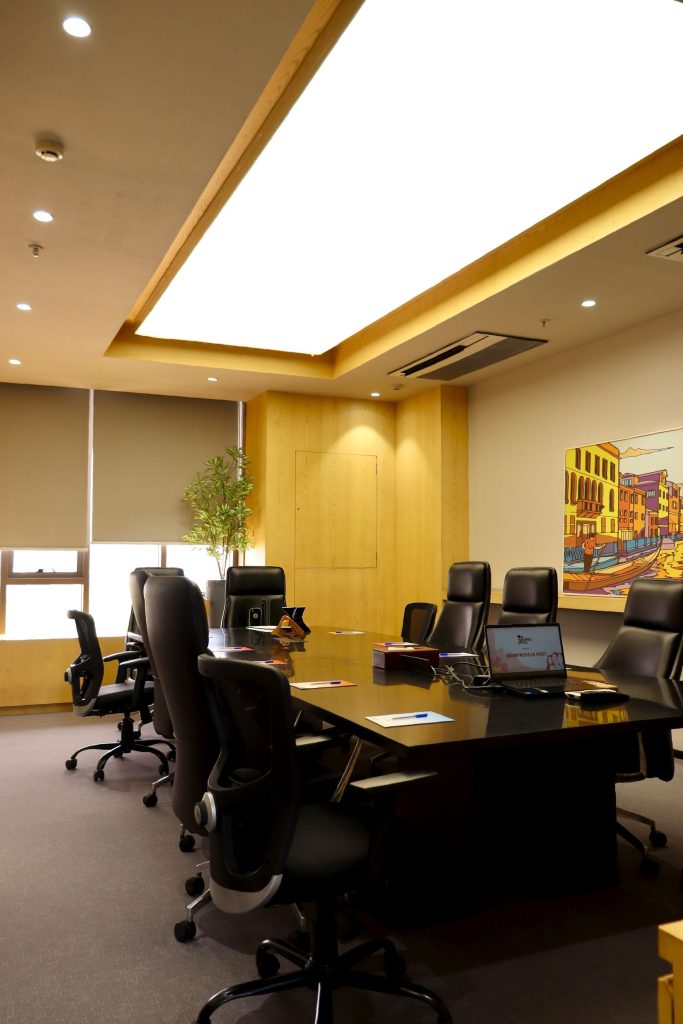
In general, offices sit in the lower to middle part of the range. Their main loads come from people, lighting, and computers. Comfort depends on good zoning, quiet air, and steady control.
Costs rise with:
- More private offices and conference rooms that each need their own zone
- Server rooms that need round-the-clock cooling
- Large glass walls that add solar heat
- High-end finishes like exposed spiral duct
- Full building automation systems
By contrast, an open-plan office in a second-generation suite with healthy rooftop units can be very affordable.
Retail HVAC Costs per Square Foot
Meanwhile, retail usually lands in the middle of the range. Store loads rise and fall with foot traffic. The entry hardly stays shut, and big windows soak up sun. In addition, lighting in stores often runs bright and hot.
Costs rise with:
- Large storefronts on sunny exposures
- High ceilings that need more air movement
- Fitting rooms and stockrooms with separate needs
- Specialty uses, like salons or pet groomers, with extra exhaust
Simple retail shops with standard rooftop units and open sales floors often stay near the lower end.
Restaurant HVAC Costs per Square Foot
By contrast, restaurants sit at the top of the range, often by a wide margin. Cooking creates heat, grease, smoke, and odors. The kitchen hood must pull all of that out of the building. Then fresh makeup air must replace what the hood removes. Meanwhile, the dining room must stay comfortable even when the kitchen runs full blast.
Restaurant HVAC costs per square foot include:
- Type I hoods over grease-producing equipment
- Exhaust fans rated for grease
- Welded grease ductwork with required clearances
- Makeup air units, often with heating or cooling
- Fire suppression tied to the hood
- Larger rooftop units for the dining room
- Controls that balance exhaust and makeup air
For a deeper look, visit our kitchen exhaust services.
Other Factors That Move the Number
Beyond use type, several factors shift HVAC costs per square foot:
- Existing equipment: Reusable units cut costs. Old or undersized units add them.
- Building type: Single-story roofs are easier than high-rise floors.
- Climate: Hot or cold regions need larger, more efficient equipment.
- Energy codes: Stricter codes may require economizers, controls, or heat recovery.
- Access: Tight sites raise crane and labor costs.
- Schedule: Rush jobs and after-hours work add labor cost.
Comparing Two Spaces of the Same Size
For example, imagine two 3,000-square-foot suites side by side. One becomes a small accounting office. The landlord’s rooftop units are in good shape, so the HVAC scope is mostly moving diffusers and adding a zone. Its cost stays low.
The other becomes a fast-casual restaurant. It needs a hood, an exhaust fan, grease duct, a makeup air unit, and a bigger rooftop unit for the dining room. As a result, its HVAC cost per square foot is many times higher, even though the space is the same size.
How to Get an Accurate Number
- Define the use clearly.
- Survey existing equipment and roof conditions.
- Sketch a basic layout with zones and special rooms.
- Ask a mechanical contractor for budget pricing.
- Confirm what the price includes and excludes.
- Add a contingency for hidden conditions.
Ways to Control Costs
Offices save by favoring open plans and reusing healthy gear. Shops save with efficient glass and right-sized units. Restaurants save when they pick a hood and makeup air system matched to the menu, not oversized “just in case.” In every case, order equipment early to avoid rush fees.
Medical, Fitness, and Other Uses
Offices, shops, and restaurants are not the only tenants. Clinics need extra fresh air and sometimes special exhaust. Dental offices add heat from pumps and compressors. Fitness studios pack sweaty bodies into one room, so they need serious tonnage. Salons need exhaust for fumes. As a result, each of these uses lands somewhere between retail and restaurant on the cost scale.
So if your tenant is one of these, do not use an office number. Instead, get a quick estimate based on the real use. That small step keeps the budget honest.
How Climate Changes HVAC Costs per Square Foot
Where you build matters too. In very hot places, units must be larger and more efficient. In cold places, heating matters more. Humid places may need extra moisture control. Therefore, HVAC costs per square foot in one city may not match another city, even for the same use. Local contractors know these differences well.
A Note on Second-Generation Space
Spaces that already have HVAC can save a lot. For example, a former office reused as an office may need only small changes. However, a former shop turned into a café needs a full kitchen system. So the past use matters as much as the new one. A space that held the same kind of business is often the cheapest to adapt. Before you sign, have a contractor walk the space and tell you what can stay.
Common Mistakes
- Using office numbers to budget a restaurant
- Assuming landlord units fit a new use
- Forgetting crane and roof costs
- Comparing quotes that include different items
- Skipping a contingency
FAQ on HVAC Costs per Square Foot
Why are restaurant HVAC costs per square foot so high?
Because kitchens need hoods, grease exhaust, makeup air, and fire suppression on top of normal cooling.
Can offices reuse existing HVAC?
Often, yes, if the units are healthy and sized right. A quick inspection tells you.
Get a Clear Budget
Matching the number to your use is the first step to a sound budget. Visit our HVAC cost page, or ask for budget pricing on your space. The ENERGY STAR program can help you compare efficient equipment.