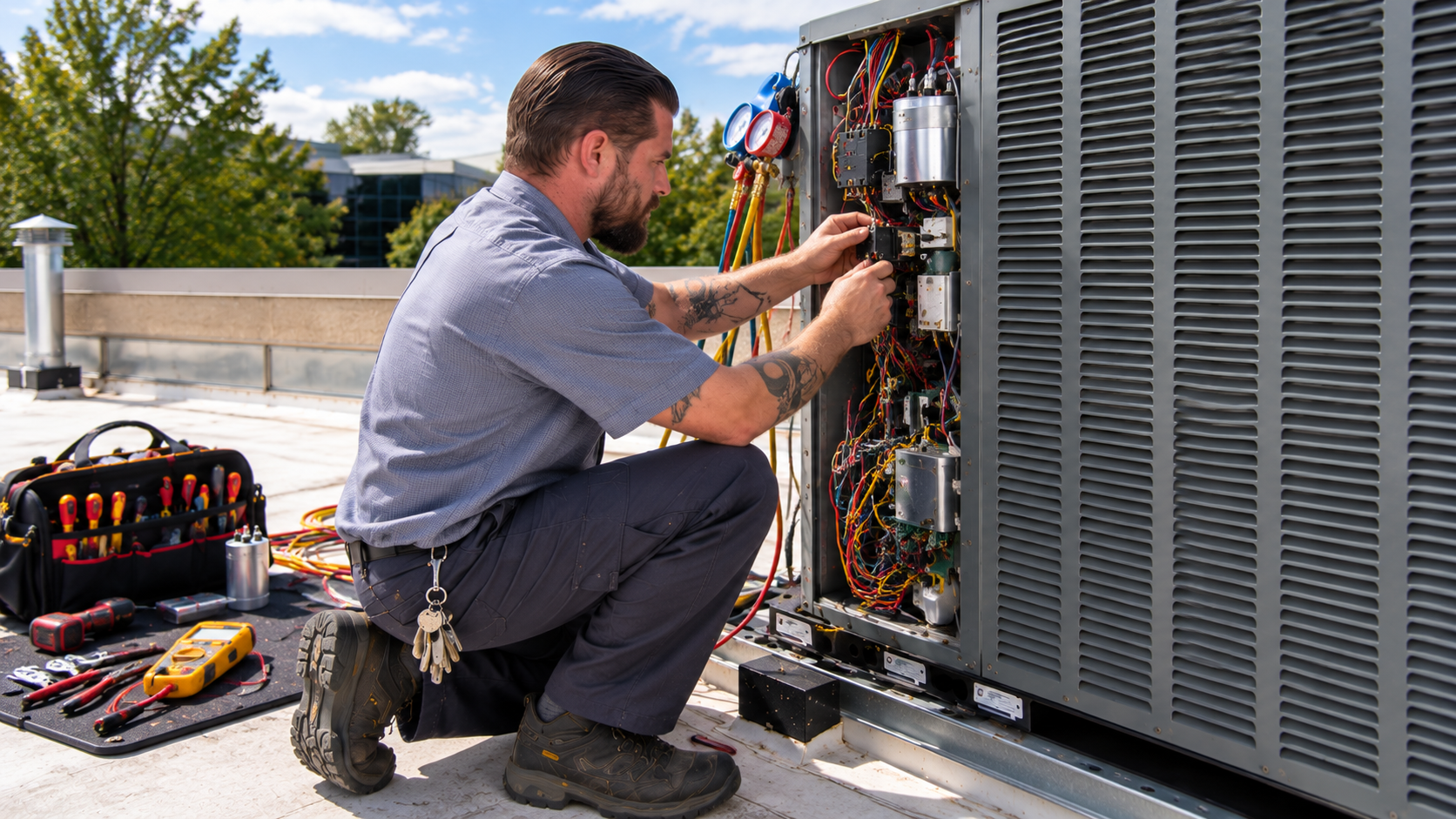
Scottsdale HVAC upgrades are a big part of the city’s steady stream of tenant improvements. Offices in the Airpark, boutiques in Old Town, and med spas in North Scottsdale all want quiet, even comfort in a place where summer heat is relentless. Many of these spaces sit in buildings with aging rooftop units and dated controls. This guide explains how to plan HVAC upgrades during renovations and build-outs, from design and zoning to roof work and city review.
Owners, tenants, and contractors can use these tips to plan upgrades that last.
Why Scottsdale Tenants Upgrade HVAC
Tenants upgrade for many reasons. Some move into older suites with tired equipment. Others change the use, such as turning a shop into a clinic. Still others simply want lower power bills and better comfort.
Common triggers include:
- Rooftop units near the end of their life
- Hot and cold spots after a layout change
- New uses with more people or equipment
- Noisy or drafty diffusers in quiet rooms
- High summer utility bills
- Old refrigerants that are costly to service
Scottsdale HVAC Upgrades During a Renovation
A renovation is the best time for Scottsdale HVAC upgrades. The ceiling is open, the walls are changing, and crews are already on site. As a result, crews can update ducts, diffusers, and controls with far less disruption than later.
Typical renovation upgrades include new zones, relocated diffusers, upgraded thermostats, and new return paths. If the rooftop units are old, swapping them during the renovation often costs less than doing it as a separate job.
Upgrades During a New Build-Out
When a tenant takes a raw shell, engineers design the HVAC system from scratch. That gives the most freedom. Designers can pick high-efficiency rooftop units, place zones exactly where they are needed, and plan ducts to stay quiet.
Even so, the landlord’s rules still apply. Many centers set standards for unit brands, roof placement, screening, and controls. Read those rules before design starts.
Zoning as Part of Scottsdale HVAC Upgrades
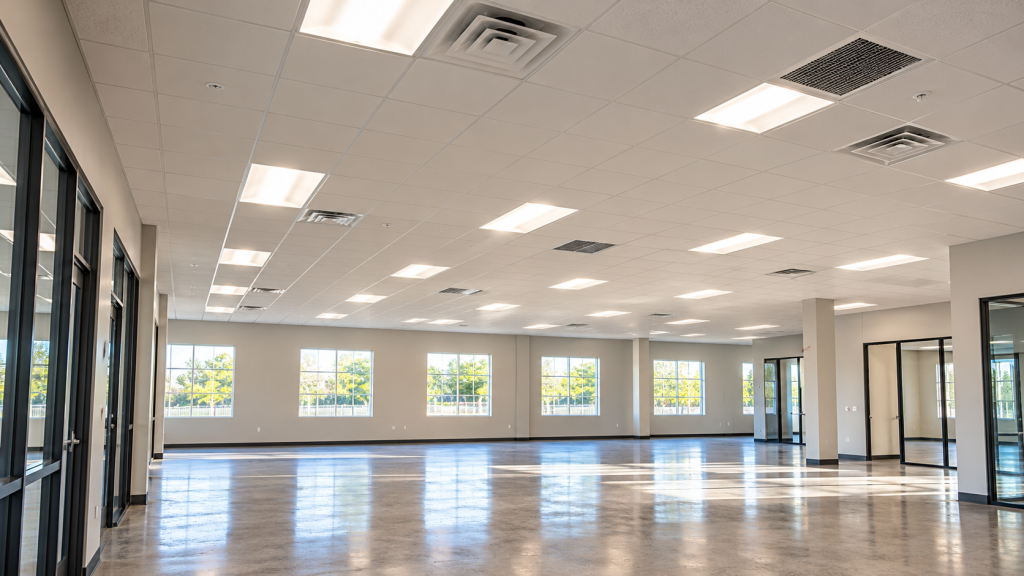
Comfort complaints usually come from poor zoning. A single thermostat cannot keep a sunny front office and an inner conference room both comfortable. So upgrades often add zones.
Options include more single-zone rooftop units, variable air volume boxes, or zoning dampers. Each zone gets its own thermostat. As a result, people in different rooms can stay comfortable at the same time.
Quiet Systems for High-End Spaces
Scottsdale tenants often run upscale businesses. Spas, design studios, and private medical offices want calm, quiet rooms. Loud air rushing from a diffuser ruins that feeling.
To keep things quiet, designers size ducts generously, choose low-noise diffusers, and add sound lining near units. They also keep rooftop units away from treatment rooms when possible. These details cost little during design but are hard to fix later.
Scottsdale HVAC Upgrades on the Roof
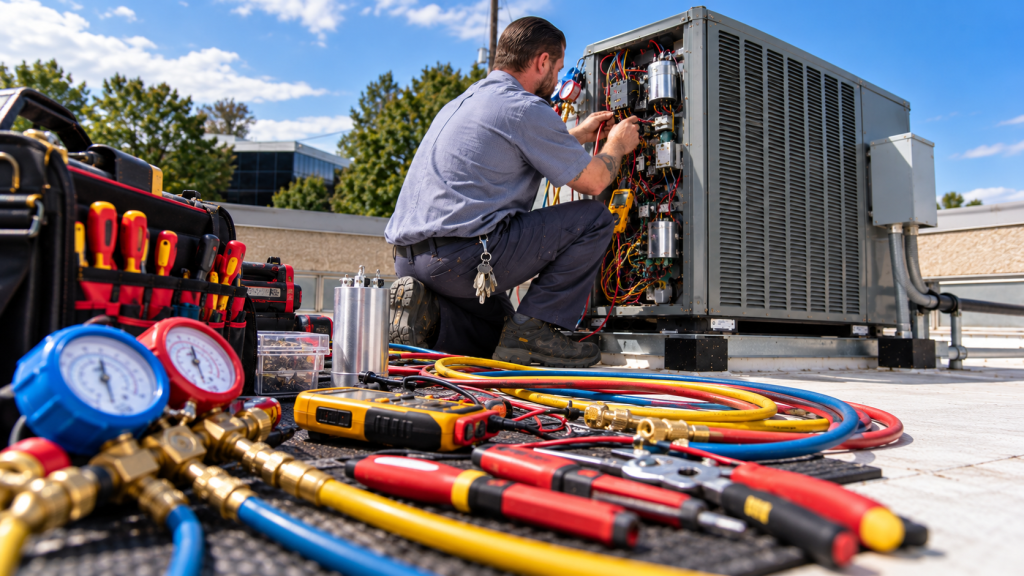
Replacing a rooftop unit takes planning. The new unit may be a different size or weight. If so, it may need a curb adapter or new curb. A structural check may be needed for heavier units.
Lifts usually require a crane. Crews often book early morning lifts in summer to beat the heat and wind. Also, roof penetrations must be flashed correctly to stop leaks during monsoon storms. Many landlords require their own roofer for this step.
Energy Efficiency and Refrigerants
Newer rooftop units use far less power than units from fifteen years ago. In addition, many new models use lower-impact refrigerants as federal rules phase down older ones. The EPA explains this transition.
Efficiency upgrades pay off fast in the desert. Higher-efficiency units, smart thermostats, and economizers all cut cooling costs. Some local utilities also offer rebates, so ask before you buy.
Permits and Design Review
Most Scottsdale HVAC upgrades need a mechanical permit from the City of Scottsdale. Plans go in with the building permit for renovations. Equipment changes on the roof may also need review if they change how the building looks from the street. Screening rules often apply.
Keeping Neighbors Comfortable
Many upgrades happen in busy centers. Replacing a shared unit or shutting down power can affect neighbors. So plan shutdowns with the landlord, give notice, and schedule loud work after hours. Good manners keep the project smooth.
Scheduling Scottsdale HVAC Upgrades
Timing matters in the desert. Replacing equipment in July is risky, because a delay leaves the space without cooling in extreme heat. Many owners schedule replacements in spring or fall. For new build-outs, order equipment early, since lead times can stretch.
Costs and Budget
Costs depend on unit size, number of zones, ductwork changes, and roof work. Crane lifts, curb adapters, and controls add cost. However, efficiency gains and fewer repairs often offset part of the investment. For planning numbers, see our HVAC cost guide.
Med Spas and Wellness Studios
Scottsdale has a large wellness market. Med spas, physical therapy clinics, and yoga studios fill many suites. Each one has special comfort needs. Treatment rooms should feel warm and calm. Hot yoga rooms need heat and strong ventilation. Laser and skin care rooms may need extra exhaust.
So Scottsdale HVAC upgrades for these spaces often add small dedicated zones. A ductless unit can serve one treatment room. A separate exhaust fan can clear odors from a lab area. These targeted fixes cost less than oversizing the whole system, and they make clients feel at ease.
Restaurants and Bars in Old Town
Old Town has many restaurants and bars. Their HVAC is far more complex than a shop’s. Kitchens need hoods, exhaust fans, and makeup air. Dining rooms need strong cooling when the room is packed. Patios may need misting or shade fans.
In older buildings, adding a kitchen can strain the roof and the electrical service. Therefore, check structure and power early. Our page on restaurant HVAC and kitchen exhaust covers these needs in depth.
Air Quality and Scottsdale HVAC Upgrades
Many Scottsdale tenants now ask for better indoor air. Higher-grade filters catch more dust and pollen. Fresh air controls bring in outdoor air when it is cool and clean. Some offices add air quality sensors that track carbon dioxide. When levels rise, the system adds more fresh air. These upgrades help staff and guests feel better and think clearly.
Maintenance After the Upgrade
New equipment still needs care. Change filters often, especially after dust storms. Clean coils each spring. Check belts and electrical parts before summer. Regular maintenance protects the warranty and keeps comfort steady.
Questions to Ask Before You Upgrade
- How old are the current units, and what refrigerant do they use?
- Will the new layout need more zones?
- Does the roof need a structural check?
- Are there utility rebates for the units we picked?
- What is the plan if a unit arrives late in summer?
Clear answers up front make the whole job go smoother.
Choosing a Contractor
Pick a team with recent Scottsdale experience. Ask about zoning, quiet design, roof work, and landlord rules. Confirm their Arizona license and insurance. Also, ask for references from local property managers.
FAQ on Scottsdale HVAC Upgrades
When is the best time for Scottsdale HVAC upgrades?
Spring and fall are ideal, since a short outage is less risky in mild weather.
Do I need a permit to replace a rooftop unit?
Usually, yes. A mechanical permit is typically required for equipment replacement.
Plan Your Upgrade
The right upgrade brings quiet comfort and lower bills. Learn about our rooftop unit replacement work, or reach our Valley team to start planning.