Phoenix tenant improvement contractors live and die by the air conditioning. In a city where summer highs routinely pass 110 degrees, a build-out that opens with weak cooling is a build-out that fails. That is why HVAC sits at the center of almost every office, retail, medical, and industrial renovation in the Valley. This guide explains what these contractors do on the mechanical side, how renovations differ from new installs, and how to pick a team that will keep your space cool and your project on schedule.
Tenants, landlords, brokers, and property managers can all use it as a practical starting point.
What Phoenix Tenant Improvement Contractors Handle
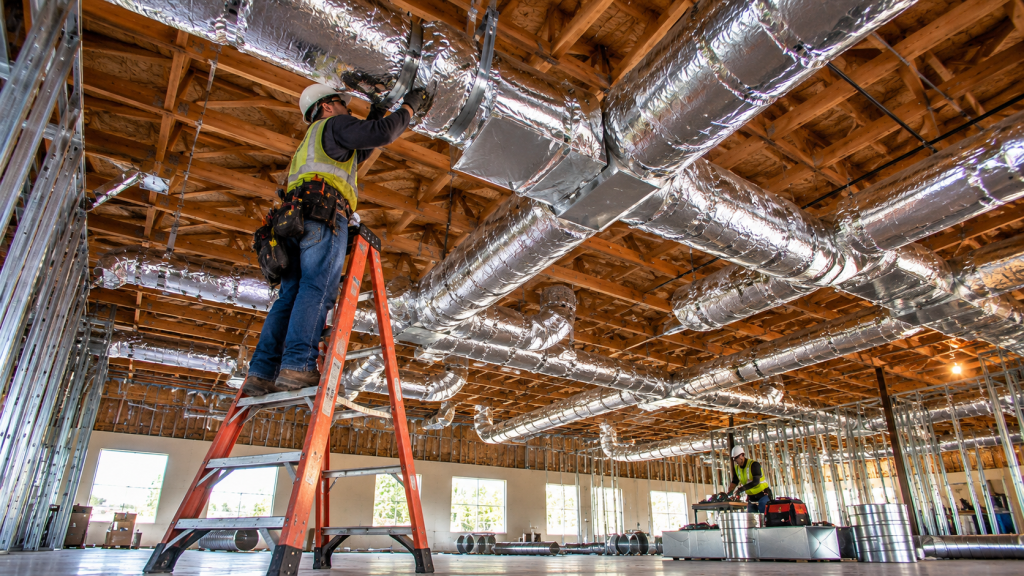
A tenant improvement turns leased space into a working business. The general contractor manages the whole job, while specialty trades handle each system. On the HVAC side, the work usually includes:
- Load calculations and equipment selection
- New or relocated rooftop units
- Supply, return, and exhaust ductwork
- Diffusers, grilles, and VAV boxes
- Thermostats and building controls
- Restroom and break room exhaust fans
- Testing, adjusting, and balancing
In addition, the team coordinates with electricians for power, with roofers for curbs and flashing, and with framers and ceiling installers for clear routes.
Why HVAC Matters More in Phoenix
In milder cities, a small system might mean a few warm days. Here, it can mean a shop that is unbearable from June through September. Indoor temperatures climb fast when rooftop units cannot keep up, and staff, customers, and inventory all suffer.
Also, gear works harder in the desert. Coils bake on hot roofs. Dust from summer storms clogs filters. As a result, Phoenix tenant improvement contractors size equipment with real local design conditions and plan for heavy maintenance from day one.
New Installs by Phoenix Tenant Improvement Contractors
When a tenant moves into a raw shell, Phoenix tenant improvement contractors often start the HVAC from scratch. The engineer calculates heat loads based on people, lighting, equipment, windows, and roof exposure. Then they pick units with enough capacity to handle peak afternoon heat.
Next, the installers set rooftop units on curbs, run ductwork through the ceiling, and place diffusers where people sit and work. Finally, the system gets started, tested, and balanced so every room gets the right airflow.
How Phoenix Tenant Improvement Contractors Handle Renovations
Many tenants move into suites that already have HVAC. These second-generation suites can save money. Still, the old system rarely fits the new layout perfectly. A dental office needs different zoning than a law firm. A gym needs far more cooling than a boutique.
So renovation work often includes moving diffusers, adding or splitting zones, upgrading thermostats, and checking whether the existing rooftop units have enough capacity. If the units are old, replacement may make more sense than repair.
Checking Existing Equipment
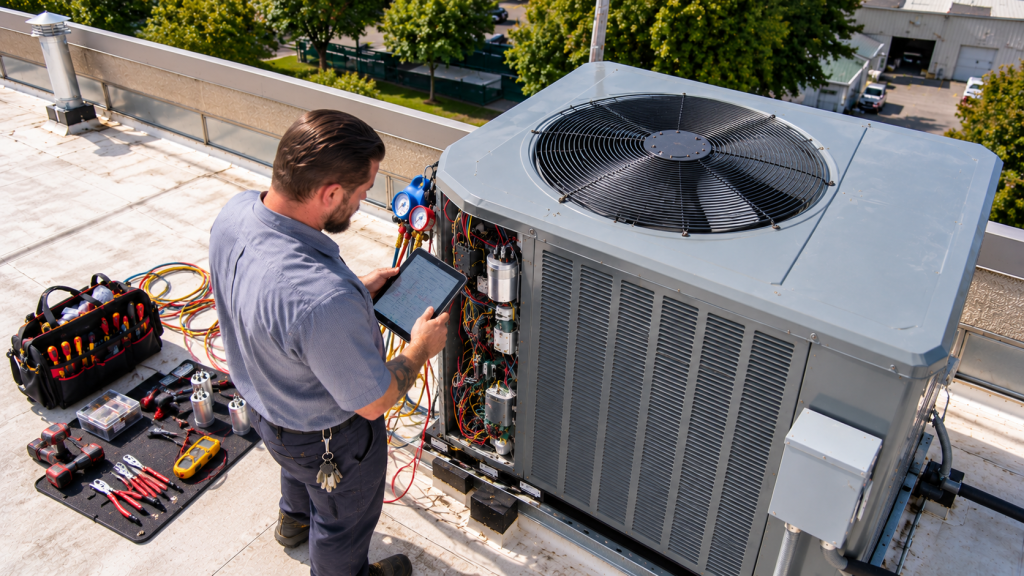
Before reusing any rooftop unit, have it inspected. A good contractor will check the age, refrigerant type, compressor health, coil condition, and electrical parts. They will also look at the curb and roof around it for leaks.
Units past the middle of their useful life often fail at the worst time, usually in July. Moreover, older units may use refrigerants that are being phased down under federal rules, which can make repairs costly. The EPA’s HFC reduction program explains the ongoing transition.
Permits and Inspections
Most HVAC work in a tenant improvement needs a permit. In Phoenix, mechanical drawings typically go to the city’s Planning and Development Department along with the building plans. The review covers unit tonnage, fresh air, duct layout, and energy rules.
Inspections usually happen at rough-in, before the ceiling closes, and at final. Rooftop units may need structural review if they are heavier than the units they replace.
Crane Days for Phoenix Tenant Improvement Contractors
Setting rooftop units usually requires a crane. Crane days take planning: street permits, traffic control, and a clear lift zone. In summer, Phoenix tenant improvement contractors schedule lifts at sunrise, when winds are calm and the roof is cooler.
Roof penetrations also need care. New curbs and duct openings must be flashed correctly so monsoon rains stay outside. Many landlords require their own roofer to handle this work to protect the roof warranty.
Coordination With Other Trades
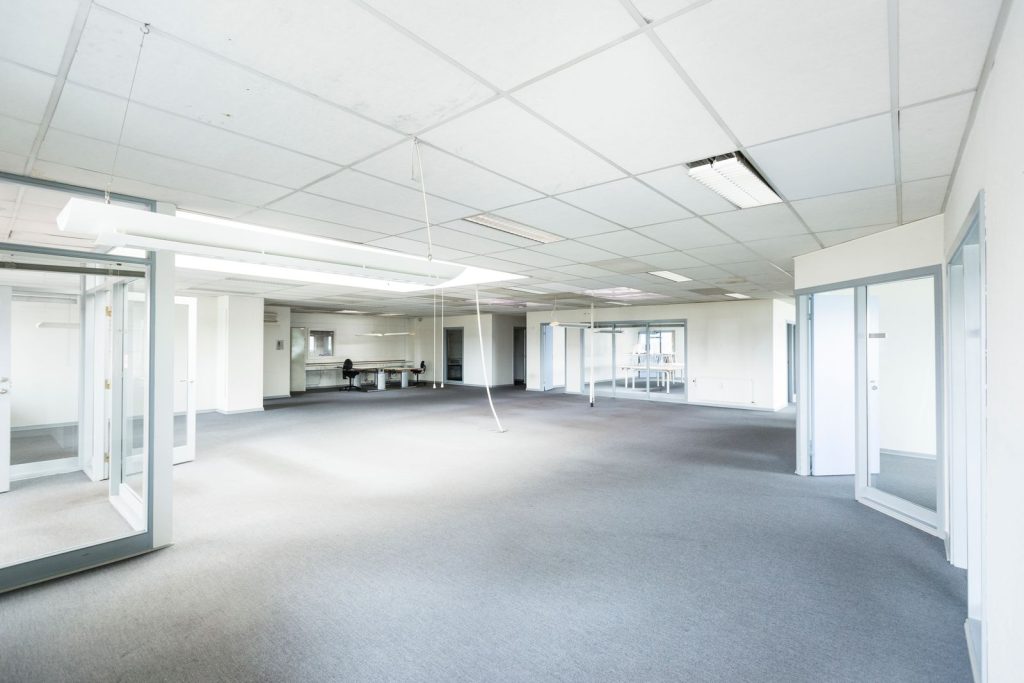
Ductwork takes up more ceiling space than any other system. So it usually goes in first, before sprinkler lines, cable trays, and lighting. Good coordination keeps each trade out of the others’ way and prevents costly rework. Our post on why ductwork goes first explains this in detail.
How to Choose Phoenix Tenant Improvement Contractors
Above all, pick Phoenix tenant improvement contractors with steady Valley experience. Then ask these questions:
- Are you licensed with the Arizona Registrar of Contractors for this work?
- Can we see recent projects similar to ours?
- Who designs the HVAC, and who installs it?
- How do you plan crane days and roof work?
- What are current lead times for rooftop units and controls?
- How do you handle surprises in existing systems?
Also, call references from landlords and other tenants. Their experience tells you a lot about follow-through.
Common Mistakes to Avoid
- Reusing old rooftop units without an inspection
- Ignoring added heat from equipment, servers, or kitchens
- Ordering equipment after permits instead of during review
- Skipping test and balance at the end
- Forgetting roof warranty rules
A Simple Rule of Thumb
Here is an easy way to think about it. Hot roof, more cooling. Lots of glass, more cooling. Lots of people, more cooling. Kitchens and servers, much more cooling. If your space has any of these, tell your team early. They will size the units to match. That one talk can save you a long, hot summer.
Lead Times and Scheduling
Rooftop units and control parts can take weeks or months to arrive. Therefore, order them as soon as the design is approved. Many owners lose more time waiting for equipment than they spend on actual installation. Read our post on equipment lead times for tips.
Medical, Restaurant, and Specialty Spaces
Some tenants need more than basic cooling. Medical offices may need extra fresh air, special filters, and exhaust in certain rooms. Dental suites need vacuum pumps and compressors that add heat. Restaurants need kitchen hoods, makeup air, and careful pressure control.
Gyms are another big load. Lots of people working hard give off a lot of heat and moisture. So gym systems often need far more tonnage per square foot than an office. Server rooms, labs, and salons each bring their own needs too. In short, the use drives the system, not just the size of the suite.
Energy Savings in the Valley
Cooling is the biggest power bill for most Phoenix businesses. So efficient choices pay off fast. High-efficiency rooftop units use less power for the same cooling. Smart thermostats cut run time after hours. Economizers can use cool morning air in spring and fall.
Utility rebates may also help. Local power companies often offer incentives for efficient equipment. Ask your contractor to check before you order. The ENERGY STAR program also lists qualified commercial units.
Maintenance After Move-In
Phoenix heat and dust are hard on equipment. So set up a maintenance plan before you open. Filters need frequent changes. Coils need cleaning. Belts, contactors, and capacitors need checks before each summer. A little care keeps systems running when you need them most.
FAQ on Phoenix Tenant Improvement Contractors
Do Phoenix tenant improvement contractors handle HVAC design?
Many work with in-house or partner engineers. Others take designs from the tenant’s architect. Ask who is responsible.
Can I reuse my landlord’s rooftop units?
Often, yes, if an inspection shows they are healthy and sized right for your use.
Plan Your Phoenix Project
Cool, reliable air is the foundation of a successful Phoenix build-out. Visit our Phoenix HVAC page, or contact our mechanical team to talk through your space.