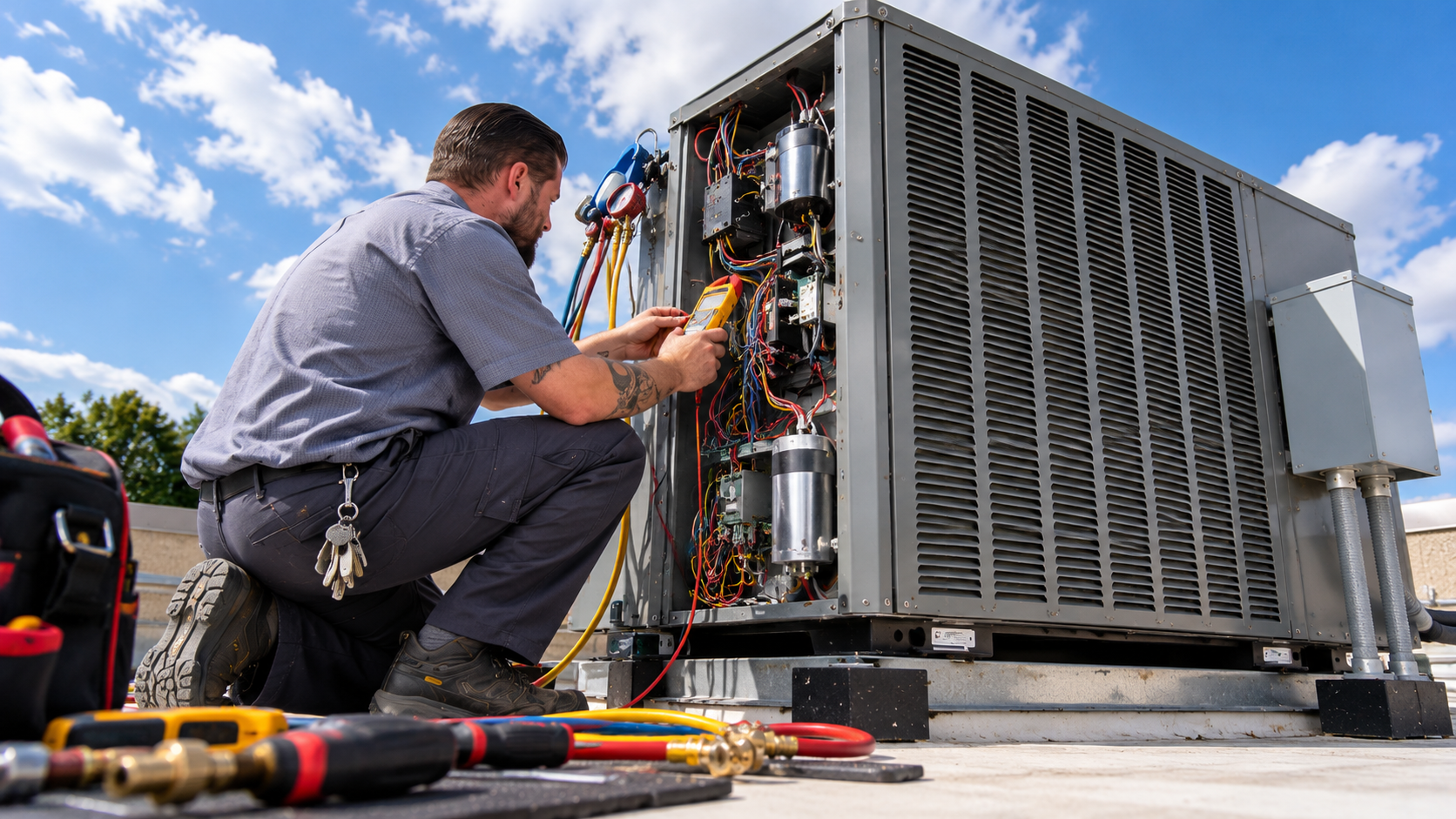
HVAC controls lead times have become one of the quietest threats to commercial construction schedules. Rooftop units get most of the attention, yet a missing controller, sensor, or actuator can stop start-up and delay occupancy just as surely. Chips, boards, and network devices often take longer to arrive than the steel boxes they control. This guide shares practical ways contractors can cut those lead times, from early submittals to approved equals and phased releases.
General contractors, mechanical subcontractors, and project managers can put these ideas to work on their next job.
Why HVAC Controls Lead Times Matter
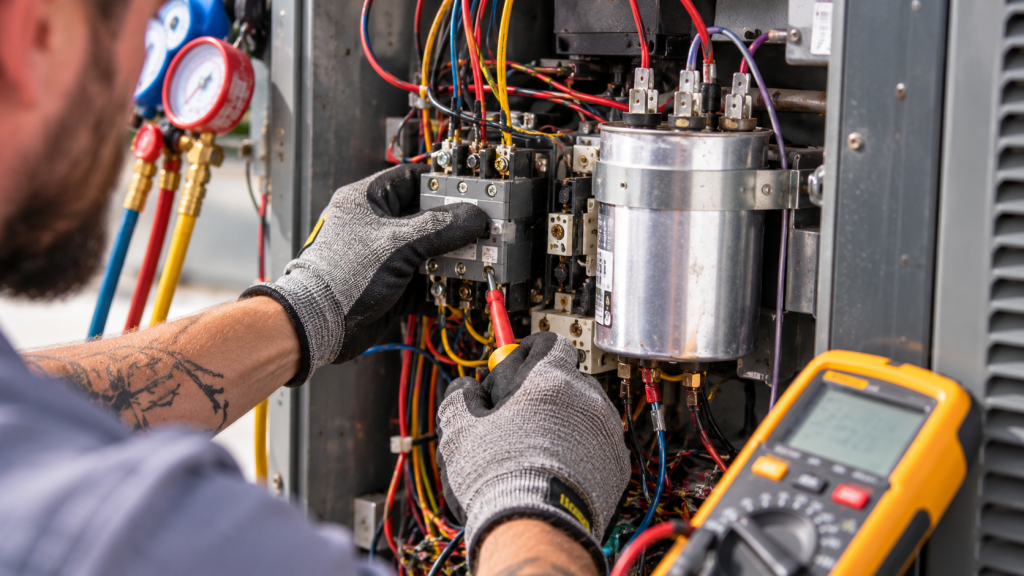
Controls tie the whole HVAC system together. Without them, rooftop units cannot follow schedules, VAV boxes cannot adjust airflow, and the building automation system cannot report alarms. Inspectors may also require working controls before final approval, especially for energy code compliance.
Because controls go in near the end of the job, delays here hit right before opening. In other words, there is little time left to recover. That is why HVAC controls lead times deserve attention from day one.
What Drives HVAC Controls Lead Times
Several factors stretch delivery dates:
- Electronic parts that rely on global supply chains
- Specified brands with limited distribution
- Custom panels built to order
- Late submittal approvals
- Last-minute design changes
- Seasonal demand spikes
Some of these are outside your control. Many others, however, you can manage with early action.
Strategy 1: Submit Controls Early
The single best way to cut HVAC controls lead times is to start sooner. Controls submittals often lag behind equipment submittals. Instead, push them at the same time. Ask the controls contractor for product data, panel drawings, and the sequence of operations as soon as the mechanical design is stable.
Early review also catches mismatches between the controls and the equipment. Fixing them on paper is far faster than fixing them on site.
Strategy 2: Approved Equals Shorten HVAC Controls Lead Times
Specs often name one brand “or approved equal.” If the named brand has long lead times, propose an equal with better availability. Provide data showing it meets the same performance, protocol, and warranty standards.
Submit substitution requests early, ideally during bidding. Late requests face more scrutiny, and the engineer may not approve them in time.
Strategy 3: Standardize Components
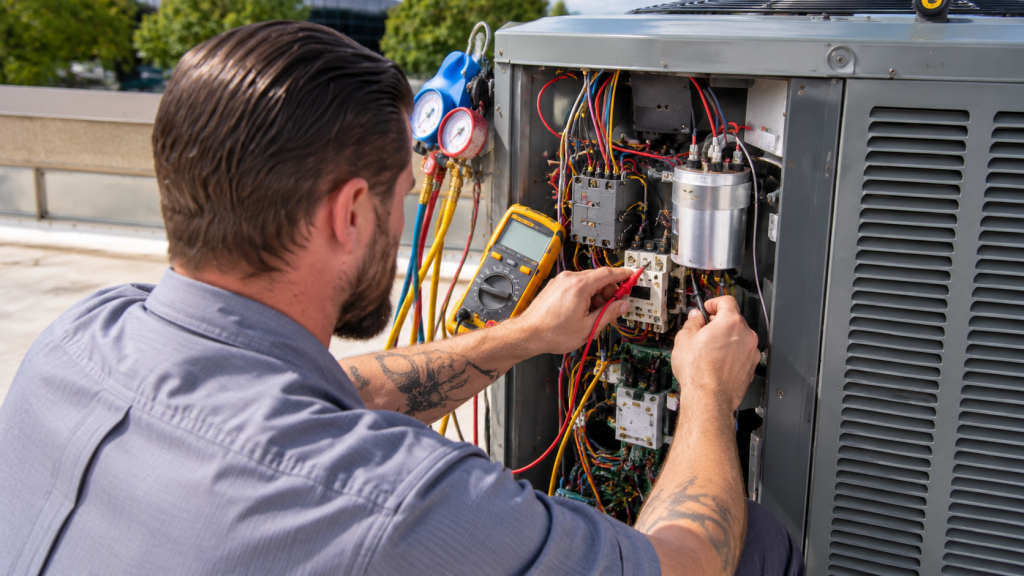
Standard sensors, actuators, and controllers often ship from distributor stock. Custom or specialty items do not. So where the design allows, choose common parts. For example, use standard temperature sensors rather than custom models, and pick controllers your local distributor carries.
Strategy 4: Release Orders in Phases
You do not need every part at once. Rooftop unit controllers may ship with the units. Field devices, such as sensors and actuators, go in during rough-in. Front-end software and network gear come last.
Release orders in phases that match the schedule. Order long-lead items first, even before full approval, if the engineer agrees. This approach keeps the critical items moving.
Strategy 5: Pick the Right Controls Partner
Controls contractors differ in buying power and inventory. Some keep common parts in stock. Others order everything per job. Ask bidders about their current lead times, inventory, and supplier relationships before awarding the work.
Also, ask about programming capacity. Even with parts on hand, a short-staffed team may delay start-up.
Strategy 6: Use Factory-Mounted Controls
Many rooftop units can ship with factory-mounted controllers. This reduces field wiring and cuts the number of separate parts to order. It also speeds start-up, since the controller arrives tested with the unit. Check whether the specified units offer this option.
Strategy 7: Lock Down the Design
Design changes reset the clock. A new zone, a moved thermostat, or a changed sequence may require new parts and new approvals. Therefore, finalize zoning and sequences before ordering. When changes are unavoidable, assess the impact on HVAC controls lead times right away.
Strategy 8: Track HVAC Controls Lead Times Weekly
Create a simple procurement log. List each controls item, the order date, the promised ship date, and the current status. Review it at every coordination meeting. Then, if a date slips, you can adjust the sequence, look for alternatives, or plan temporary solutions.
Temporary Workarounds
Sometimes a part is simply late. In that case, temporary controls can keep the building comfortable. For example, a rooftop unit can run on a basic thermostat until the full controller arrives. However, confirm with the inspector whether temporary controls are acceptable for occupancy.
Coordinating With the Schedule
Controls touch many milestones: rough-in, above-ceiling inspection, start-up, balancing, and final inspection. Map each controls task onto the master schedule. Then watch for conflicts. For instance, balancing cannot finish until controls can position dampers and VAV boxes. Read more in our post on how lead times shape the schedule.
A Simple Example
Here is how it can play out. A new clinic needs eight rooftop units and a small building system. The spec names one brand of controller. That brand quotes a long wait. So the controls sub offers a second brand with the same features. It ships much sooner. The engineer reviews the data and says yes. The parts arrive on time. Start-up goes well, and the clinic opens on schedule.
Now picture the same job without that early swap. The parts land two weeks late. Balancing waits. The final inspection slips. The clinic pays rent on an empty space. That gap is the real cost of long HVAC controls lead times.
Talk to Suppliers About HVAC Controls Lead Times
Suppliers know what is in stock and what is not. So call them early. Share the parts list before bids close. Ask what ships fast and what does not. Then build the plan around their answers. A five-minute call can save weeks.
Plan for Programming Time
Parts are only half the story. Someone must program the system, too. That takes time and skill. Book the programmer early, just like you book the crane. Also, send them the final sequence of operations as soon as it is set. With the parts on hand and the code ready, start-up goes fast.
Where Controls Fit on the Roof
Rooftop units often hold their own controller. When the unit ships with it, one item is off your list. However, the network wiring, sensors, and front-end still come separately. So check each part of the chain. A unit that arrives early does no good if its sensor is still on a truck.
Common Mistakes
- Treating controls as an afterthought
- Waiting for full equipment approval before starting controls submittals
- Specifying a single brand with no equal allowed
- Changing sequences late in the job
- Not tracking orders after placement
The Payoff
Cutting HVAC controls lead times protects the opening date, reduces stress at closeout, and avoids costly temporary measures. It also builds trust with owners, who see a smooth finish instead of last-minute scrambling.
FAQ on HVAC Controls Lead Times
How early should controls be ordered?
As soon as submittals are approved, and long-lead items even earlier when the engineer agrees.
Do HVAC controls lead times vary by brand?
Yes. Availability differs widely between makers and distributors, so check current dates before choosing.
Keep Your Schedule on Track
Smart procurement keeps controls from holding up your opening. Learn about our controls and balancing services, or talk with our controls team. The ASHRAE community also publishes guidance on building automation.