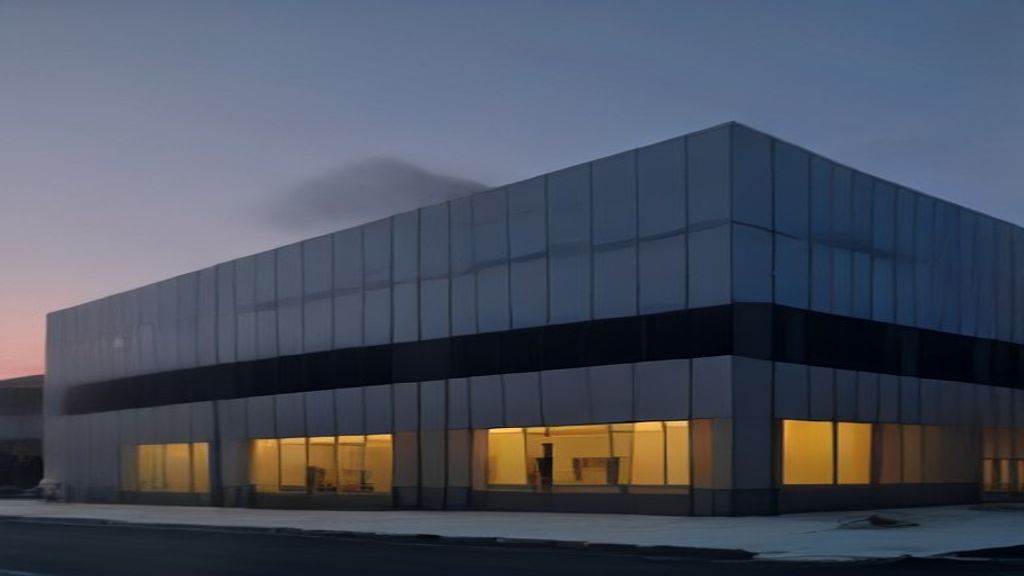
Mission Hills air conditioning projects often start in buildings that never had central cooling. Mission Hills is a historic San Diego neighborhood above Old Town. Its small business district runs along Washington Street and Goldfinch Street, with hospitals nearby. Its buildings range from 1920s storefronts to mid-century office blocks. Many relied on ocean breezes and open windows for decades. Today’s tenants, from medical practices to boutiques and cafés, expect reliable cooling. This post explains how to prepare a Mission Hills tenant space for new commercial air conditioning.
Here is how owners, tenants, and builders can plan a smooth installation.
Why Mission Hills Is Different
Mission Hills enjoys a mild coastal climate, so some older buildings have little or no air conditioning. In addition, historic buildings have thick walls, plaster ceilings, and limited space for ducts. Many sit on hillsides with tight access. So installing modern cooling takes creative planning. The goal is comfort without damaging the building’s character.
Start Mission Hills Air Conditioning Planning With a Load Calculation
First, a designer calculates how much cooling the space needs. They consider floor area, windows, insulation, people, lights, and equipment. Medical offices and cafés need more cooling than quiet shops. In addition, west-facing windows add afternoon heat. The load calculation sets the size of the new equipment.
Choosing the Right System
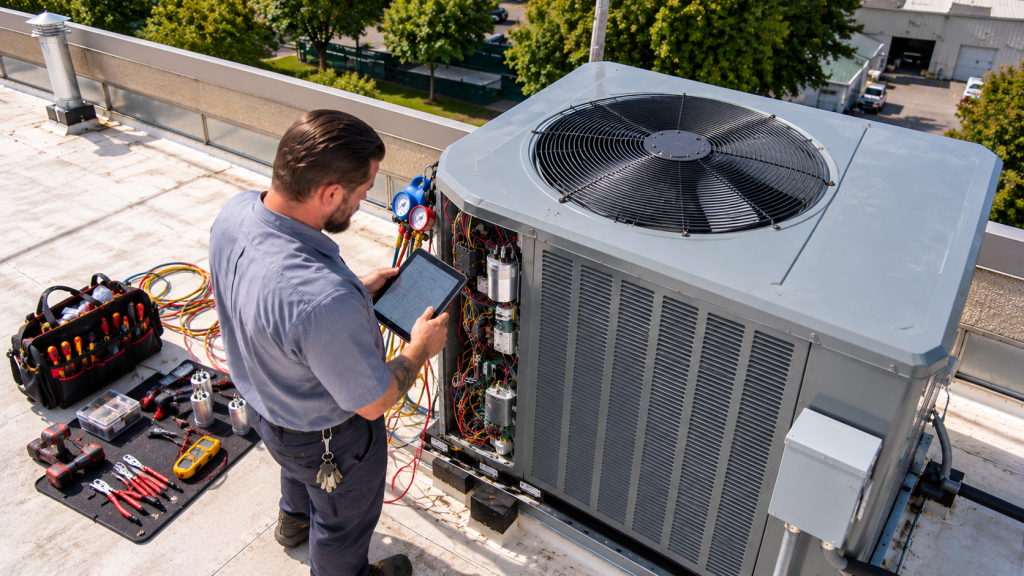
Fortunately, several systems can work in Mission Hills. Packaged rooftop units suit buildings with flat roofs and space for ducts. Split systems place an outdoor unit on the ground or roof with indoor fan coils. Ductless mini-splits work well in historic buildings with no room for ducts. Larger spaces can use a VRF system, which serves many rooms through small lines. Your contractor can compare options.
Mission Hills Air Conditioning in Historic Buildings
Of course, historic buildings need special care. Ducts may not fit above plaster ceilings, and cutting through walls can damage original features. So ductless or small-duct systems often make sense. In addition, place outdoor units out of view from the street. Some changes may need historic review, so check with the city early.
Ductwork Options
However, where ducts can fit, they deliver air quietly and evenly. Ducts may run in attics, soffits, or new dropped ceilings in back areas. Small-duct systems use thin, bendy tubes that fit tight spots. Each option balances comfort, cost, and appearance.

Electrical Capacity
Also, older buildings may have small electrical services. New air conditioning adds significant load. So an electrician checks the panel and service before choosing equipment. A short panel means an upgrade, either a larger panel or a heavier service. SDG&E handles service changes in San Diego. Start that process early.
Mission Hills Air Conditioning and Title 24
New cooling gear in California has to meet state efficiency limits. Controls must allow schedules and setbacks. You can read the rules on the California Energy Commission site. A field test at the end proves the controls work.
Condensate Drainage
Meanwhile, air conditioners remove moisture from the air. That water needs a drain. In older buildings, drains may be far away. So the installer plans condensate lines or small pumps. Plus, a float switch stops the system before a clogged drain can flood the ceiling.
Noise and Neighbors
In addition, Mission Hills mixes businesses with homes. Outdoor units make noise that can bother neighbors. So place units away from property lines and windows where possible. In addition, choose quieter models and add sound screens if needed. Good planning keeps the neighborhood peaceful.
Mission Hills Air Conditioning for Medical Offices
Mission Hills sits close to several hospitals, so many medical offices locate here. These spaces need steady temperatures, good filtration, and sometimes zoning for exam rooms. In addition, quiet operation matters for patient comfort. Plan medical needs early so the system fits them.
Permits in San Diego
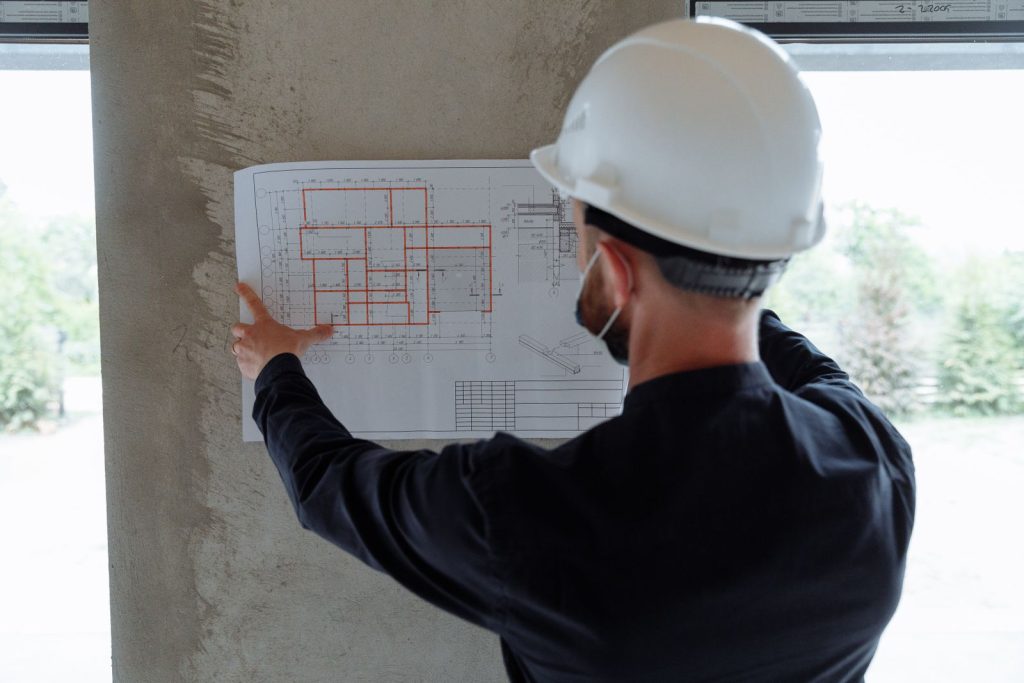
New cooling in Mission Hills needs a San Diego mechanical permit. Plans should show the equipment, ducts, wiring, and energy forms. The Development Services website lays out each step. Historic buildings may need extra review.
Coastal Breezes and Free Cooling
Luckily, Mission Hills often enjoys cool ocean breezes in the evening and early morning. Economizers on rooftop units can bring in this cool air instead of running the compressor. That saves energy on mild days. In addition, operable windows in some buildings can help during spring and fall. Use the climate to your advantage.
Controls and Comfort
Next, smart thermostats let tenants set schedules and adjust remotely. Zoning keeps sunny and shaded rooms comfortable. In addition, economizers on rooftop units can use cool ocean air for free cooling on mild days. Our page on HVAC controls covers common setups.
Indoor Air Quality
Also, new air conditioning is a chance to improve indoor air. Better filters catch dust and pollen. Fresh air ventilation keeps rooms from feeling stuffy. In addition, clean coils and drain pans prevent mold. Good air quality helps staff and customers feel their best.
Budgeting Mission Hills Air Conditioning
Costs depend on system type, building access, electrical upgrades, and historic considerations. Ductless systems may cost less in buildings without duct space. Rooftop units may cost less in simple flat-roof buildings. For ballpark prices, visit our HVAC pricing page.
Working Around Open Businesses
Sometimes Mission Hills buildings stay open during work on another suite. So crews plan noisy tasks and crane lifts for quiet times. They also protect shared hallways. Clear notices keep neighbors informed and happy.
Timeline
Plan on a few weeks for design and permits. Electrical upgrades may take longer. Equipment orders follow. Installation, testing, and inspection close out the project. Start planning early, especially for historic buildings.
Mission Hills Air Conditioning and Window Choices
Often, big old windows let in light and heat. New shades or window film can cut solar heat without hiding the view. That means a smaller air conditioner can do the job. In addition, sealing gaps around old windows keeps cool air inside. Small fixes can save real money.
Keep It Comfortable
Finally, change filters regularly. Keep outdoor units clear of plants and debris. Schedule yearly service. Simple care keeps new air conditioning running smoothly for many summers to come.
Mission Hills Air Conditioning for Cafés and Boutiques
The shops and cafés along Washington Street and Goldfinch Street are often small with big front windows. Afternoon sun can heat these spaces fast. So a compact ductless system or a small rooftop unit often works well. In addition, cafés with espresso machines and ovens need extra cooling near the counter. Placing indoor units where they do not blow on customers keeps the space pleasant.
Tips for Tenants and Owners
- Start with a load calculation
- Choose a system that fits the building
- Check electrical capacity early
- Plan condensate drains
- Place outdoor units away from neighbors
Mission Hills Air Conditioning Checklist
- Calculate cooling needs
- Pick rooftop, split, ductless, or VRF
- Protect historic features
- Confirm electrical and SDG&E needs
- Meet Title 24 rules
- Get city permits
- Test, balance, and maintain
Bring Modern Comfort to a Historic Neighborhood
The right air conditioning plan keeps a Mission Hills tenant space cool and comfortable while respecting the building’s history. With careful choices, your business will enjoy reliable comfort for years. Explore our commercial build-out HVAC services, or plan your cooling with us.