Kensington restaurant HVAC planning has to fit a lot into small, historic spaces. Kensington is a charming San Diego neighborhood above Mission Valley, with a compact business strip along Adams Avenue lined with cafés, pizza places, wine bars, and neighborhood restaurants. Many of these buildings are decades old, with limited roof space and close neighbors. Each new restaurant brings its own kitchen hood, exhaust fan, and makeup air unit must fit the building and keep smoke and odors away from nearby homes. This post explains how to plan exhaust and makeup air for a Kensington restaurant build-out.
Restaurant owners, chefs, and contractors will find practical steps below for a kitchen that breathes well.
Why Exhaust and Makeup Air Go Together
The kitchen hood pulls hot, greasy air out of the building. Something must replace that air, or the building turns negative. Then doors become hard to open, the hood stops capturing smoke, and outside air rushes in through every gap. Makeup air units supply that replacement air on purpose. So the designer plans exhaust and makeup air together.
Start Kensington Restaurant HVAC Planning With the Menu
Every hood starts with the menu. Wood-fired pizza ovens, charbroilers, and fryers throw off heavy smoke and grease, while ovens and steamers mostly add heat and moisture. So list every cooking appliance first. Then the mechanical designer sizes the hood, exhaust fan, and makeup air unit to match.
Hood Size and Type
Hoods must cover the cooking line with enough overhang to catch rising smoke. Grease-producing equipment needs a Type I hood with grease filters and fire suppression. Steam-only equipment may use a simpler Type II hood. In addition, proximity hoods can work well in tight kitchens. The NFPA standard for cooking operations guides hood safety.
Kensington Restaurant HVAC and Roof Space
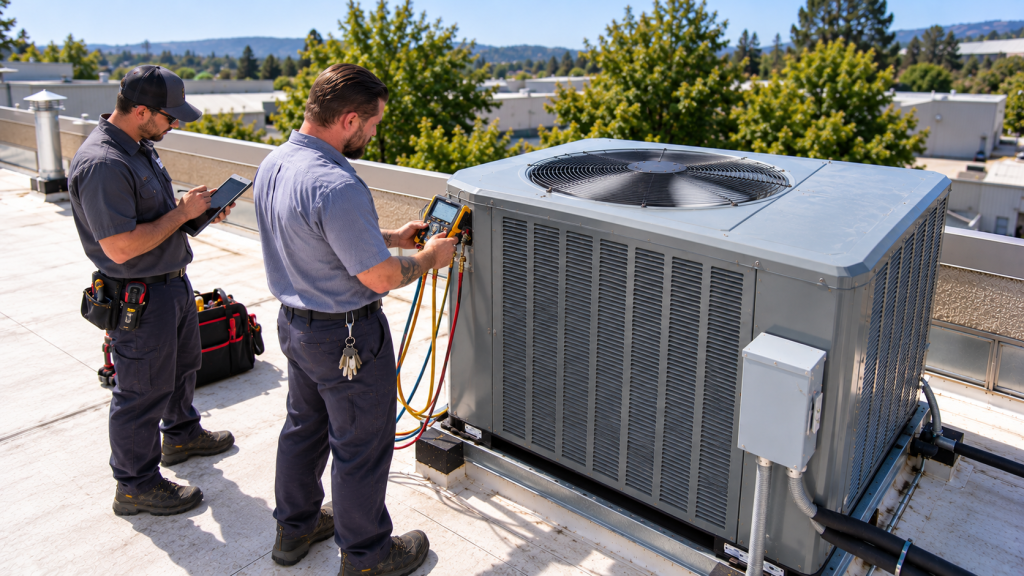
Older Adams Avenue buildings often have small roofs. The exhaust fan, makeup air unit, and dining room rooftop unit all need space. In addition, codes require the exhaust outlet to sit a set distance from fresh air intakes and property lines. So the designer plans roof layout early. Heavier units may call for a structural check.
Grease Duct Routing
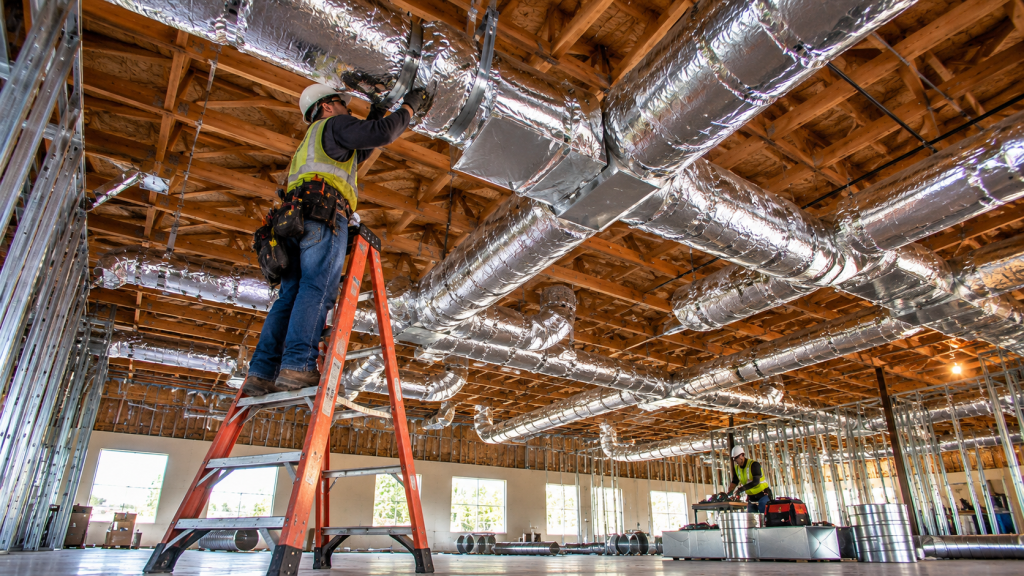
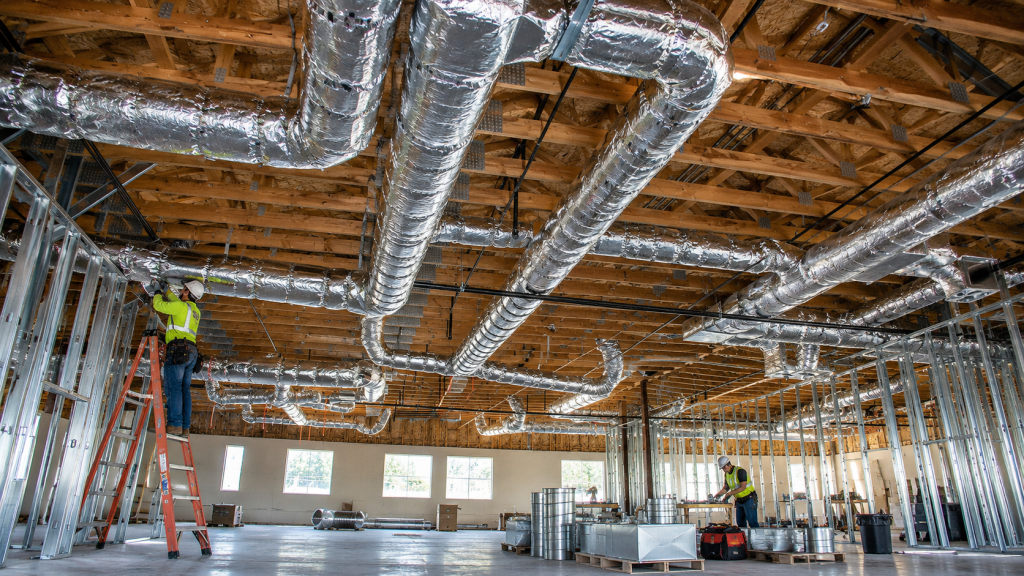
The grease duct runs from the hood to the roof. Crews weld and slope it, and in many buildings they wrap it in fire-rated material. In older buildings, finding a clear path can be hard. Sometimes the duct runs up an exterior wall. Plan the route before crews finish walls and ceilings.
Makeup Air in a Mild Climate
San Diego’s mild weather helps. On many days, makeup air needs little heating or cooling. However, warm summer afternoons and cool winter mornings still matter. So many units include some tempering. Delivering makeup air near the hood keeps it from blowing across the dining room.
Kensington Restaurant HVAC and Neighbors
Kensington is mostly residential, with tree-lined streets and quiet evenings. Homes sit right behind many Adams Avenue businesses. So smoke and odors from a kitchen exhaust can bother neighbors. Some restaurants add odor control or pollution control units, especially with wood-fired or charbroil cooking. In addition, the San Diego County Air Pollution Control District may have rules for certain cooking equipment. Check early.
Noise Control
Exhaust fans and makeup air units make noise. In a neighborhood like Kensington, that noise can travel to nearby homes at night. So choose quieter fans, add sound attenuation, and place equipment away from property lines where possible. Being a good neighbor helps the restaurant succeed and keeps complaints away.
Dining Room Comfort
The dining room needs its own cooling. Small Kensington dining rooms can heat up quickly when full. In addition, heat from an open kitchen or pizza oven adds load. A properly sized rooftop unit and good air distribution keep guests comfortable. Zoning can separate the bar from the dining room, which helps on busy nights.
Fire Suppression and Interlocks
Type I hoods need fire suppression systems that spray agent onto cooking surfaces and cut fuel to the equipment. In addition, the makeup air unit must interlock with the exhaust fan. When the hood runs, makeup air runs too. These interlocks protect the building and keep air balanced.
Kensington Restaurant HVAC Approvals
Kensington lies within the City of San Diego. So the city’s Development Services Department reviews mechanical plans. The Development Services site lists the steps. In addition, San Diego County reviews restaurant plans through its food facility program. Fire officials also review hood suppression.
Testing Before Opening
Before opening, technicians test hood capture, measure exhaust and makeup airflows, and confirm interlocks. The suppression system also needs a fresh inspection tag. A balancing report confirms the building’s pressure. Passing these steps keeps the opening on schedule.
Budgeting Kensington Restaurant HVAC
Costs depend on hood length, fan size, makeup air tempering, odor control, and roof work. Wood-fired ovens and charbroilers often need extra equipment. In addition, older buildings may need structural or duct enclosure work. See our restaurant hood and exhaust page for typical scope.
Small Kitchens, Smart Choices
Many Kensington kitchens are tiny. A compact proximity hood can save space. Combination ovens may reduce the number of appliances under the hood. In addition, induction cooking produces less heat and grease. These choices can shrink the exhaust system and lower costs. Talk them over with your chef early.
Timeline
Design and approvals often take several weeks. Equipment orders can take longer, especially for custom hoods. Installation follows framing and before final finishes. Then testing and inspections close out the job.
Kensington Restaurant HVAC and Patios
Many Adams Avenue restaurants add sidewalk or patio seating. Patio heaters and fans keep guests comfortable outside. However, exhaust outlets should never blow toward outdoor diners. So plan the roof layout with the patio in mind. Happy patio guests stay longer and order dessert.
Keep the System Clean
Grease builds up in hoods and ducts. Regular cleaning prevents fires and keeps fans running well. Clean filters often, at least weekly in a busy kitchen. Schedule duct cleaning on a set cycle. Good habits protect the kitchen and the neighbors, and they keep inspectors satisfied.
Kensington Restaurant HVAC for Cafés and Wine Bars
Not every Kensington tenant runs a full kitchen. Cafés and wine bars may cook little or nothing. In that case, a small Type II hood or no hood may be enough. However, they still need good dining room cooling and fresh air. In addition, espresso machines and dishwashers add heat and steam. Matching the system to the menu avoids paying for equipment you do not need.
Tips for Restaurant Owners
- Lock the menu before designing the hood
- Plan roof space and separations early
- Consider odor control near homes
- Choose quiet fans
- Interlock makeup air with exhaust
Kensington Restaurant HVAC Checklist
- Match the hood to every cooking appliance
- Route the grease duct
- Plan makeup air and dining cooling
- Address odor and noise for neighbors
- Set up fire suppression and interlocks
- Get city, county, and fire approvals
- Test and balance before opening
Cook Well, Live Well With Neighbors
A well-planned exhaust and makeup air system lets a Kensington restaurant serve great food while keeping the air clean inside and out. With careful design, your kitchen will run smoothly and your neighbors will stay happy. Visit our build-out HVAC page, or plan your restaurant HVAC with us.