
Gainey Ranch HVAC installation choices should start before you sign the lease or lock in the floor plan. Gainey Ranch, the master-planned community in central Scottsdale near Scottsdale Road and Doubletree Ranch Road, has upscale shopping, office buildings, and medical suites that serve residents and resort visitors alike. Many of these spaces have HVAC equipment that has been in place for years. Knowing its condition and capacity up front can save a tenant from a costly surprise halfway through a build-out. This guide explains what to check.
Use it as a checklist when you tour a space or review a landlord’s proposal.
Why Check HVAC Before the Build-Out
HVAC gear costs a lot and takes time to replace. A new rooftop unit can take weeks to arrive, and a crane lift adds cost and scheduling challenges. If you learn mid-project that the existing unit is too small or near failure, the opening date can slip. In addition, the lease may say the tenant pays for replacements. So a careful check before the build-out protects both your budget and your schedule.
Gainey Ranch HVAC Installation: Equipment Age and Condition
Start with the basics. Every rooftop unit has a nameplate with a model number and often a date. In the desert, most commercial units last 12 to 18 years, based on upkeep. Check for:
- Rust, corrosion, or damaged panels
- Bent or dirty condenser coils
- Oil stains that may signal refrigerant leaks
- Worn belts, motors, and electrical parts
- Service records from the landlord
An HVAC technician can inspect the unit and give a realistic estimate of its remaining life.
Cooling Capacity for the New Use
Next, ask if the gear is big enough for your business. A quiet law office needs far less cooling than a busy restaurant, gym, or medical practice with lots of equipment. So your designer should run a cooling load calculation based on your floor plan, occupancy, lighting, and equipment. If the existing units fall short, you will need to add or upgrade equipment.
Gainey Ranch HVAC Installation and Lease Terms
Leases handle HVAC in different ways. Some landlords promise working equipment at move-in. Others hand over the space as-is and make the tenant responsible for repairs and replacement. Some split costs based on the unit’s age. Read these terms closely and ask questions before signing. If the equipment is old, you may be able to negotiate a replacement or a credit as part of the deal.
Gainey Ranch HVAC Installation: Duct Condition
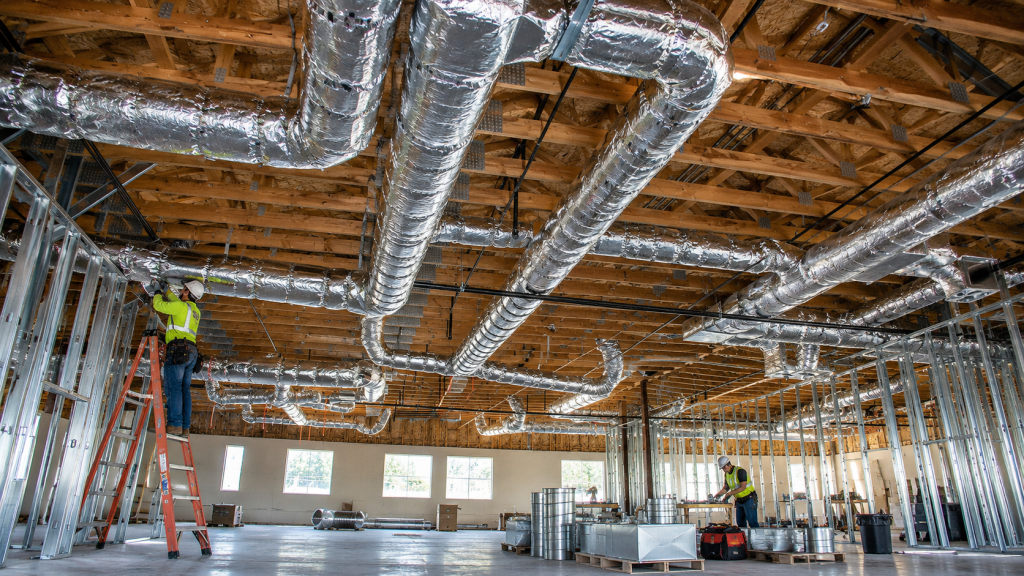
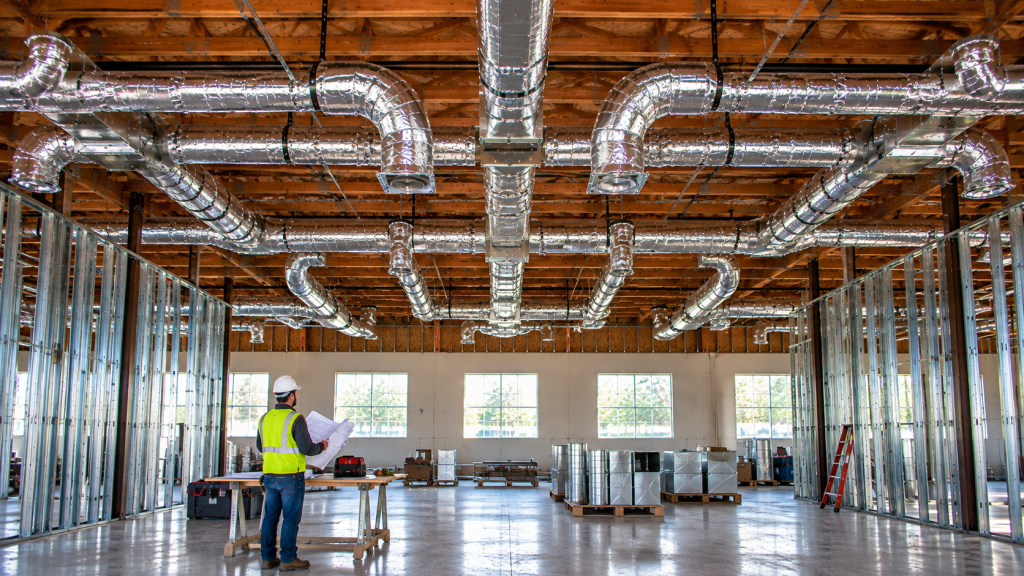
Ducts above the ceiling matter as much as the rooftop unit. Look for crushed, disconnected, or poorly sealed ducts. Leaky ducts waste cooling and push hot attic air into the space. In addition, old fiberglass duct board may be dirty or damaged. A contractor can inspect accessible ducts and recommend repairs or replacement as part of the build-out.
Gainey Ranch HVAC Installation: Controls
Old thermostats may not support modern schedules or remote access. In addition, the number of thermostats may not match your planned layout. Check how many zones exist and where thermostats sit. Upgrading controls is usually affordable and can save a lot of energy. It also helps fine-tune comfort in conference rooms and sunny offices.
Gainey Ranch HVAC Installation for Medical Suites
Medical and dental offices are common in Gainey Ranch. These uses often need more fresh air, better filtration, and sometimes special exhaust for procedure rooms or labs. In addition, some medical equipment adds heat. That is why clinics should hand the HVAC designer a list of every machine and room early on. Planning the Gainey Ranch HVAC installation around these needs avoids costly redesigns.
Roof Access and Crane Planning
If a new rooftop unit is needed, the crew must get it onto the roof. That usually means a crane lift, often on a weekend or early morning. The landlord, neighbors, and sometimes the city must approve the lift. In addition, the roof must support the new unit, and the curb must match or be adapted. Planning these details early keeps the installation on schedule.

Restaurants and Retail in the Gainey Ranch Center
Shops and restaurants near the resort see big crowds on weekends and in the winter season. A busy dining room or store can heat up fast. So the cooling must handle peak crowds, not a quiet Tuesday. Restaurants also need hoods, exhaust fans, and makeup air, which add load and cost. Ask the landlord what the center already has on the roof, since shared equipment and roof space can be tight.
Air Quality and Filters
Desert dust clogs filters fast. Dirty filters cut airflow and make units work harder. So check what filters the units use and how often they get changed. Higher-grade filters can improve air quality, but the fan must be able to push air through them. A quick talk with the HVAC tech will tell you what fits.
Ask for a Written Report
Once the tech finishes, request a one-page summary. List every unit with its age, its condition, and the repairs it needs. In addition, it should note whether the unit can serve your planned use. This report helps you talk with the landlord and plan your budget.
Energy Efficiency Opportunities
A build-out is a good time to improve efficiency. Newer rooftop units use far less energy than older ones. Economizers can bring in cool outside air during mild months. Variable-speed fans and smart controls cut waste further. The ENERGY STAR program lists efficient commercial equipment. Utility rebates may also help offset costs.
Permits in Scottsdale
New HVAC equipment and duct changes need mechanical permits from the City of Scottsdale. Larger changes may also need engineered drawings. Your contractor should handle permits and inspections and coordinate them with the overall build-out schedule.
Gainey Ranch HVAC Installation Timeline
Lead times for rooftop units can stretch several weeks or more, especially in summer when demand peaks. So order equipment as soon as the design is approved. Meanwhile, ductwork and controls can be installed inside the space. A clear schedule keeps the build-out on track. Our article on HVAC equipment lead times explains why ordering early matters.
Budgeting for HVAC
HVAC costs vary widely. Reusing good equipment with minor repairs is the cheapest path. Replacing a rooftop unit, adding zones, or rebuilding ducts costs more. Our HVAC cost per square foot page explains common price factors.
Finally, share that summary with your lender or broker if they are part of the deal.
Pre-Build-Out Checklist
- Inspect rooftop units and service records
- Run a cooling load calculation for your use
- Review lease terms for HVAC responsibility
- Check ducts, controls, and thermostats
- Plan for medical or special exhaust needs
- Arrange crane lifts and roof work early
- Order long-lead equipment right away
Also, walk the roof with the tech if you can. Seeing the units up close helps you ask better questions.
Common Mistakes to Avoid
- Signing a lease without an HVAC inspection
- Assuming the existing unit is big enough
- Ignoring duct condition above the ceiling
- Ordering equipment too late for summer
- Skipping controls upgrades
Plan Your HVAC Before You Build
A careful Gainey Ranch HVAC installation review sets your build-out up for success. For help evaluating a space, visit our build-out HVAC services or reach out to our team.