Green Valley South HVAC upgrades become necessary whenever a new office tenant reshapes the floor plan. Green Valley South, in Henderson near Green Valley Parkway, Sunset Road, and the 215 Beltway, has many office parks, medical buildings, and professional suites. When a tenant builds new private offices, conference rooms, or open work areas, the old HVAC layout no longer fits. Rooms end up too hot, too cold, or drafty. Adding zones and relocating diffusers brings comfort back in line with the new layout. Here is how to plan those changes during an office build-out.
Office tenants, building owners, and contractors will find steps here for planning zones and diffuser moves that work.
Why New Layouts Cause Comfort Problems
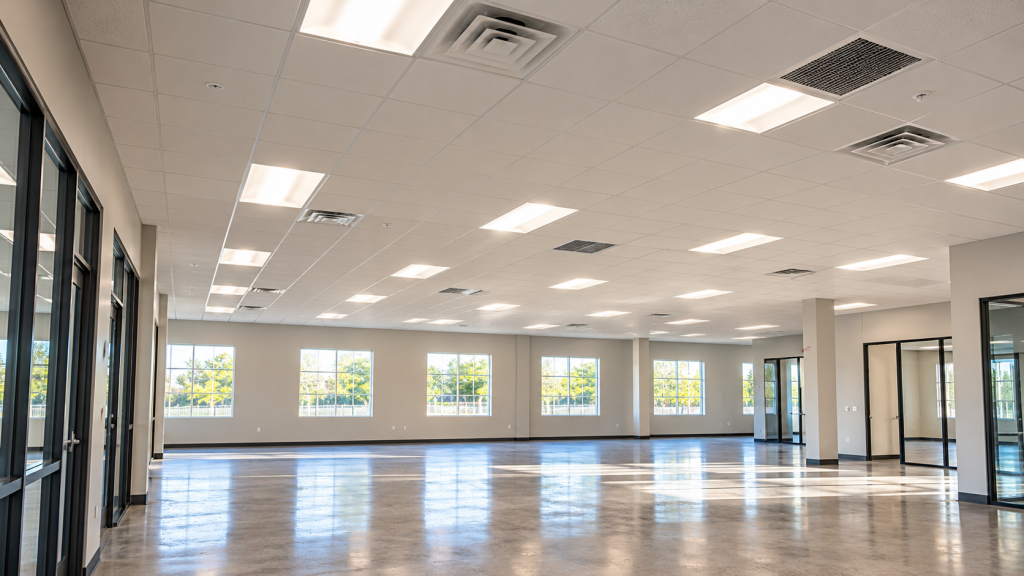
Engineers design HVAC systems around a specific layout. When walls move, diffusers may end up in hallways, closets, or right above desks. Some new rooms may have no supply air at all. In addition, one thermostat may now control rooms with very different needs. As a result, comfort complaints spike after move-in. Planning Green Valley South HVAC changes with the new layout prevents this.
Start Green Valley South HVAC Planning With the New Floor Plan
First, overlay the new floor plan on the existing HVAC drawings. Next, mark every diffuser, return, and thermostat. Then note which rooms lack supply air, which have too much, and which share a thermostat with very different spaces. In addition, mark sunny perimeter offices and crowded conference rooms. This overlay shows exactly what must change.
What Zoning Does
A zone is an area controlled by its own thermostat. Zoning lets different parts of an office run at different temperatures. For example, a west-facing office can get more cooling in the afternoon while an interior area stays steady. Zoning can use separate rooftop units, variable air volume boxes, or motorized dampers. The right method depends on the building’s existing system.
Green Valley South HVAC Zoning Options
Many Henderson office buildings use packaged rooftop units, one per suite or area. Adding a zone may mean adding a unit or adding dampers to an existing one. Larger buildings may use variable air volume systems, where boxes above the ceiling control each zone. In that case, adding a zone means adding a box and thermostat. Your contractor can recommend the best Green Valley South HVAC fit.
Relocating Diffusers
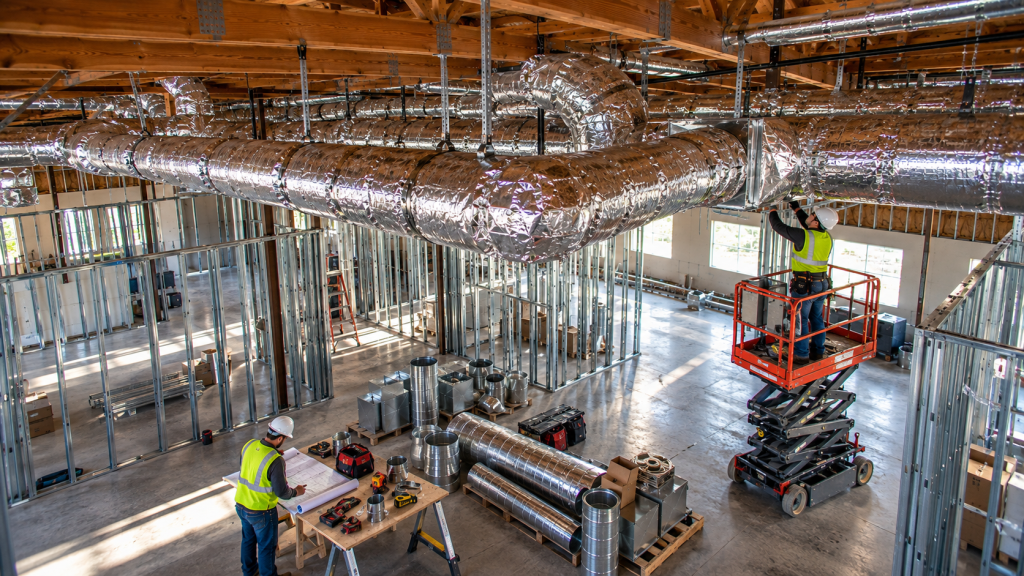
When walls move, diffusers must move too. The crew disconnects the old diffuser, extends or reroutes the branch duct, and installs the diffuser in the new spot. In addition, they patch the old ceiling opening. Every room should have enough supply air for its size and use. Our page on ductwork changes explains this work.
Green Valley South HVAC Return Air
New private offices and conference rooms need return air paths. Without them, closed rooms trap air and get stuffy. Options include ducted returns, transfer grilles, or door undercuts. In addition, open ceiling plenums can serve as return paths where codes allow. Planning returns keeps air moving freely.
Green Valley South HVAC Thermostat Placement
Each zone needs a thermostat in the right spot. Place it on an inside wall, away from sunny windows, supply diffusers, and equipment. In addition, smart thermostats allow schedules and remote access. For large open areas, remote sensors can average temperatures across the space. Good placement prevents false readings and comfort complaints.
Green Valley South HVAC for Conference Rooms
Conference rooms can go from empty to full in minutes. A room full of people adds a lot of heat. So conference rooms often need their own zone or a dedicated unit. In addition, carbon dioxide sensors can boost fresh air when the room fills. This keeps meetings comfortable and alert.
Server Rooms and Special Spaces
Server closets need cooling all day and night. A ductless mini-split is a common solution, since it runs independently of the main system. In addition, rooms with copiers or other equipment may need extra cooling. Plan these spaces early so the HVAC layout covers them.
Noise From Relocated Diffusers
Moving diffusers can change how loud a room feels. Long branch ducts and tight turns raise air speed and noise. So the designer sizes branches and chooses quiet diffusers. In addition, lined ducts near conference rooms reduce sound. Quiet airflow matters in offices where people take calls and hold meetings.
Fresh Air and Ventilation
Codes require fresh outdoor air for people inside. When the layout changes, ventilation rates may need adjustment. In addition, conference rooms and break rooms may need more fresh air. Demand control ventilation can save energy by matching fresh air to occupancy. The ASHRAE standards set these rates.
Renovating Around Other Tenants
Neighboring suites usually keep operating while yours is under construction. So crews often handle above-ceiling HVAC tasks in the evening. Also, shutting down a rooftop unit may affect neighboring suites. Coordinate shutdowns with the property manager and give tenants notice. Clean work habits protect shared hallways.
Permits in Henderson
The City of Henderson reviews mechanical permits for office tenant improvements. Plans must show new zones, duct changes, diffuser locations, and ventilation rates. Inspectors check the work before ceilings close and again at final. In addition, the landlord usually reviews plans first. Early submittals keep the schedule moving.
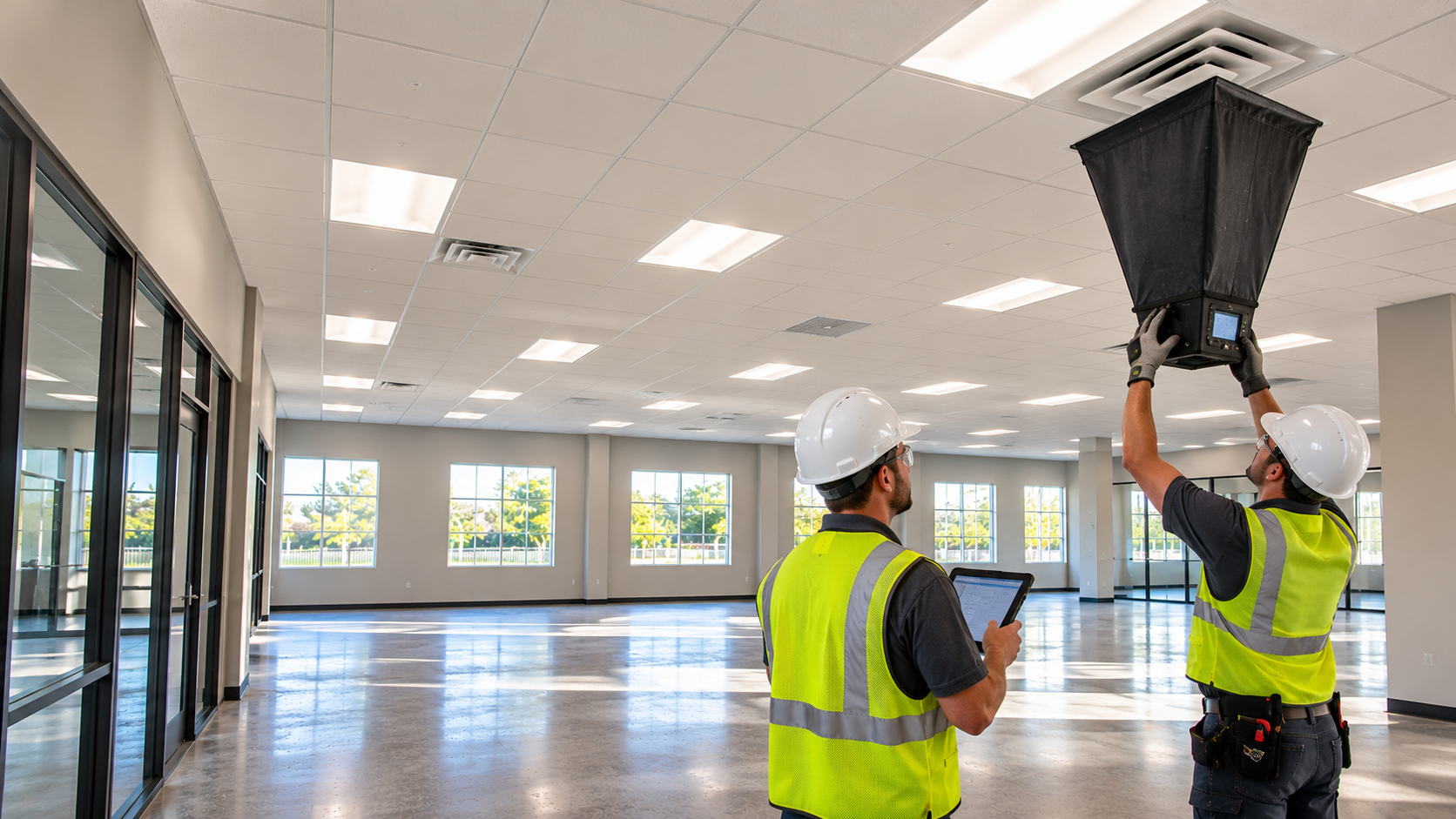
Testing and Air Balancing
After the changes, a test-and-balance tech reads each diffuser and fine-tunes the dampers. They also test each thermostat and zone. This step confirms that every room gets the right amount of air. Without balancing, new Green Valley South HVAC zones may not work as planned. Our page on testing and balancing describes the process.
Budgeting Green Valley South HVAC
Costs depend on the number of new zones, diffuser moves, duct changes, and equipment additions. Moving a few diffusers costs little. Adding new rooftop units or VAV boxes costs more. In addition, smart thermostats and sensors add modest cost. Our HVAC price guide shows typical ranges.
Energy and Comfort Benefits
Good zoning trims energy waste because each area cools only when it calls for air. Relocated diffusers deliver air where people actually sit. In addition, smart thermostats prevent cooling empty rooms after hours. NV Energy offers business programs that may support efficient upgrades.
Medical Offices in Green Valley
Henderson’s Green Valley area has many medical and therapy offices near local hospitals. These suites often have many small treatment rooms, each needing steady temperatures. So medical layouts usually need more zones than standard offices. In addition, some rooms need extra filtration or exhaust. Planning these needs up front avoids costly changes later.
Tips for Office Tenants
- Overlay the new layout on existing HVAC plans
- Give conference rooms their own zone
- Move diffusers away from desks
- Add returns to every closed room
- Require a balancing report before move-in
Green Valley South HVAC Checklist
- Compare new layout with existing HVAC
- Plan new zones and thermostats
- Relocate diffusers and add returns
- Cover conference and server rooms
- Adjust ventilation rates
- Coordinate shutdowns and permits
- Test and balance every zone
Comfort That Matches Your Layout
New zones and relocated diffusers make a Green Valley South office comfortable for everyone. With careful planning, your team will enjoy steady temperatures in every room. Visit our Las Vegas area HVAC page, or plan your office zoning with our team.