
Gibson Springs air balancing is the last big HVAC step before a new tenant opens its doors in this part of Henderson. Gibson Springs sits near Gibson Road and the 215 Beltway, close to Green Valley Ranch and the Galleria area, with office parks, medical suites, and service businesses. A brand-new HVAC system can look perfect on paper and still leave one room freezing while another feels stuffy. Testing and balancing finds and fixes those problems. This post explains how the process works and why it matters before opening day.
Tenants, property managers, and builders will learn what to expect from a balancing contractor and how to read the results.
What Testing and Balancing Means
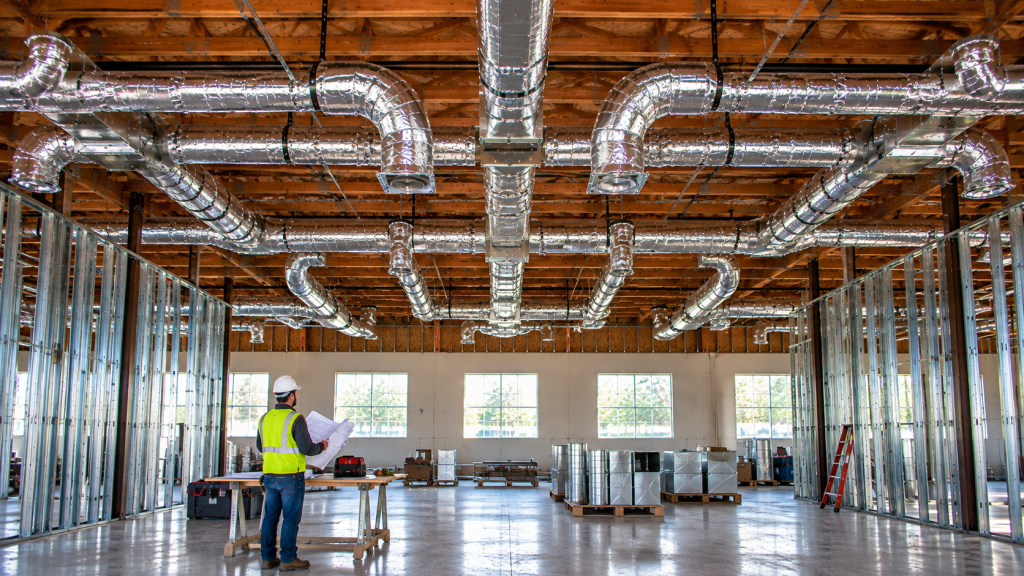
Testing and balancing, often called TAB, is a set of field checks on a finished HVAC system. A trained technician measures airflow at each grille, checks fan speeds, and compares the readings to the design. Then they tweak dampers and fan settings until every room hits its target. Think of it as tuning an instrument. The design sets the notes, and balancing makes the system play them correctly.
Why Gibson Springs Air Balancing Matters Before Opening
Comfort complaints after move-in are costly and annoying. Staff lose focus, patients feel uneasy, and managers spend time adjusting thermostats that cannot fix the real issue. In addition, poor airflow can waste energy as units run longer to make up for weak rooms. So a solid balancing job before opening protects comfort, energy bills, and the tenant relationship.
The Desert Heat Factor
Henderson summers regularly climb past 105 degrees. On those days, every room needs its full share of cool air. A conference room that gets half its design airflow may feel fine in April and miserable in July. So balancing in this climate is not optional. It ensures the system can handle the hottest afternoons without leaving any area behind.
Who Performs Gibson Springs Air Balancing
Ideally, a technician who does not work for the installer handles the balancing. Certified firms follow standards from groups such as NEBB and AABC. These groups set procedures for measuring and reporting. An independent balancer gives the owner an unbiased look at how the system performs.
Gibson Springs Air Balancing Starts With the Design
Before arriving on site, the balancer reviews the mechanical drawings. They note the design airflow for every supply diffuser, return grille, and exhaust fan. They also note the total airflow for each rooftop unit and any outdoor air settings. This review gives them a target for every reading. Without good drawings, balancing turns into guesswork.
Checking the System Is Ready
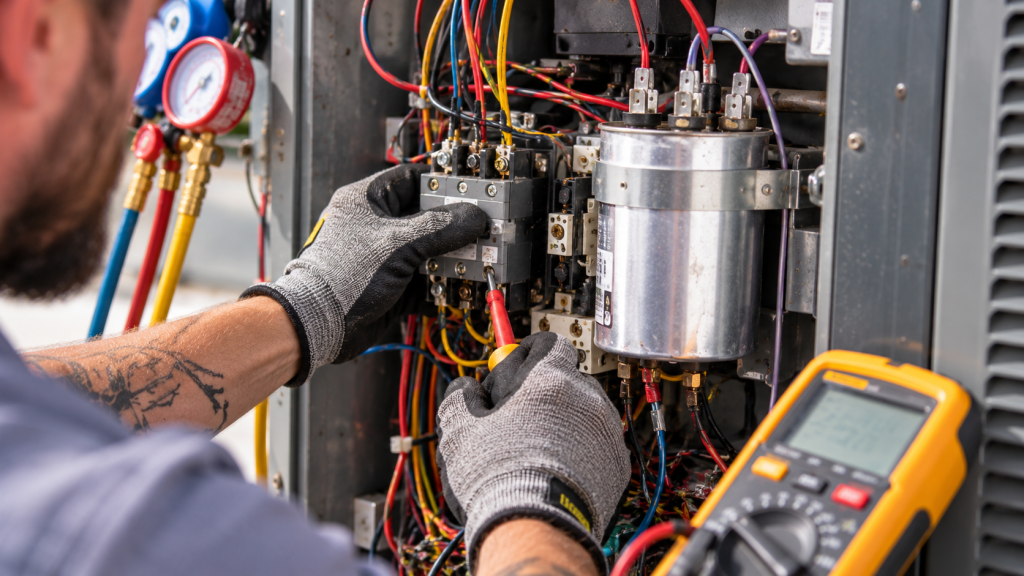
Balancing only works on a finished system. So the balancer first confirms finished ceilings, hung doors, clean filters, and open dampers. They also confirm that thermostats and controls work. If the space is not ready, readings will be wrong and the work will need repeating. A short readiness checklist saves time and money.
Measuring Airflow at Each Grille
The technician uses a flow hood, a large fabric cone with a meter, to measure air at each diffuser. They record the reading and compare it to the design. Then they adjust the damper in the branch duct to raise or lower flow. They repeat this across the suite until every room falls within an acceptable range. The process can take hours for a large office.
Gibson Springs Air Balancing for Fans and Units
Beyond grilles, the balancer checks the rooftop unit itself. They measure total airflow, fan speed, and static pressure in the ducts. If total airflow is low, no amount of grille adjustment will fix the rooms. In that case, the fan may need a speed change or the ductwork may need attention. These checks reveal problems that thermostats never show.
Outdoor Air and Exhaust
Codes require a set amount of fresh outdoor air. The balancer confirms that the outdoor air damper brings in the right amount. They also check restroom and break room exhaust fans. In addition, they make sure the building does not pull too much hot air in through doors. The ASHRAE standards guide these ventilation targets.

Common Problems Balancing Finds
- Crushed or disconnected flexible duct above the ceiling
- Closed fire dampers or volume dampers
- Diffusers installed in the wrong room
- Fan speeds set too low from the factory
- Thermostats wired to the wrong zone
Gibson Springs air balancing finds these issues before opening and saves weeks of complaints.
Reading the Gibson Springs Air Balancing Report
At the end, the balancer hands over a written report. It lists each grille, the design airflow, the measured airflow, and the final adjusted airflow. It also notes any problems that need fixing. Owners should keep this report for future reference. If comfort issues come up later, the report shows the day-one settings.
Gibson Springs Air Balancing and Medical Suites
Gibson Springs has many medical and dental offices. These spaces may need specific pressure relationships between rooms, such as keeping a procedure room slightly positive or a soiled utility room negative. Balancing confirms those pressures. In addition, it checks that exhaust fans in sterilization areas move enough air. Getting this right supports patient safety.
Permits and Final Inspection
Henderson inspectors may ask for the balancing report before signing off on the mechanical permit. In addition, some landlords require a report as part of tenant closeout. So plan the balancing visit before the final inspection date. We describe our scheduling on the testing and balancing page.
Timing the Balancing Visit
The best time to balance is after ceilings, doors, and furniture are in but before staff move in. That way, the system works as it will in daily use. In addition, the space is empty enough for the technician to reach every grille. Most suites need one to two days, depending on size.
Gibson Springs Air Balancing Cost and Value
Balancing costs a small share of the total HVAC budget. Yet it protects the whole investment. Without it, a new system may never perform as designed. In addition, fixing comfort issues later often costs more than balancing up front. Our HVAC cost page shows typical ranges for tenant work.
Rebalancing After Changes
Layouts change over time. When walls move or rooms change use, airflow needs a fresh check. So plan a rebalance after any major remodel. Gibson Springs air balancing after a remodel is a small step that keeps the space comfortable.
Simple Signs You Need Balancing
One room is always hot. Another is always cold. Doors whistle or slam. The unit runs nonstop on mild days. Any of these signs calls for Gibson Springs air balancing.
Tips for Tenants
- Ask for balancing in your HVAC scope
- Choose a certified, independent balancer
- Finish ceilings and doors before the visit
- Keep the final report on file
- Rebalance after major layout changes
Gibson Springs Air Balancing Checklist
- Review mechanical drawings and targets
- Confirm the system is ready
- Measure and adjust every grille
- Check unit airflow and fan speed
- Verify outdoor air and exhaust
- Fix problems the report uncovers
- Submit the report for final inspection
Open With Comfort You Can Trust
Careful testing and balancing gives a Gibson Springs tenant a space that feels right in every room from day one. With measured airflow and a clean report, your HVAC system will perform as designed through the hottest Henderson summers. See our Las Vegas valley HVAC page, or schedule a balancing visit.