
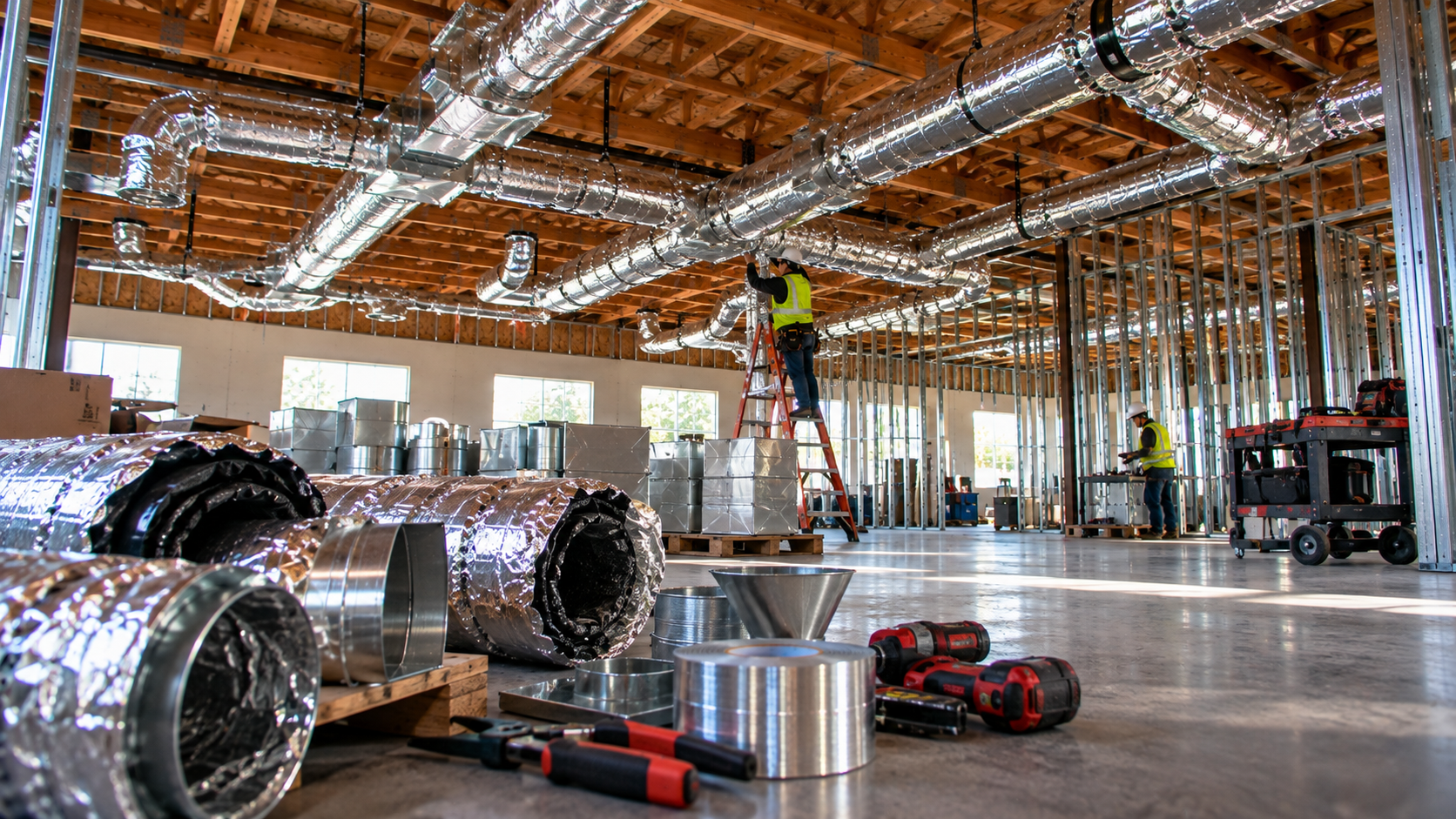
Downtown Tempe restaurant HVAC has to handle two very different jobs at once. In the kitchen, hoods and exhaust fans pull out smoke, heat, and grease from busy cook lines. In the dining room, the system must keep guests cool, even when Mill Avenue crowds pack the place on a hot night. Between them sits makeup air, the fresh air that replaces what the hood pulls out. If any piece is off, the kitchen gets smoky, doors are hard to open, and diners feel drafts. This guide explains how to plan kitchen exhaust and makeup air for a restaurant build-out in downtown Tempe.
Owners, chefs, and contractors can follow it from first sketch to opening night.
How Kitchen Ventilation Works
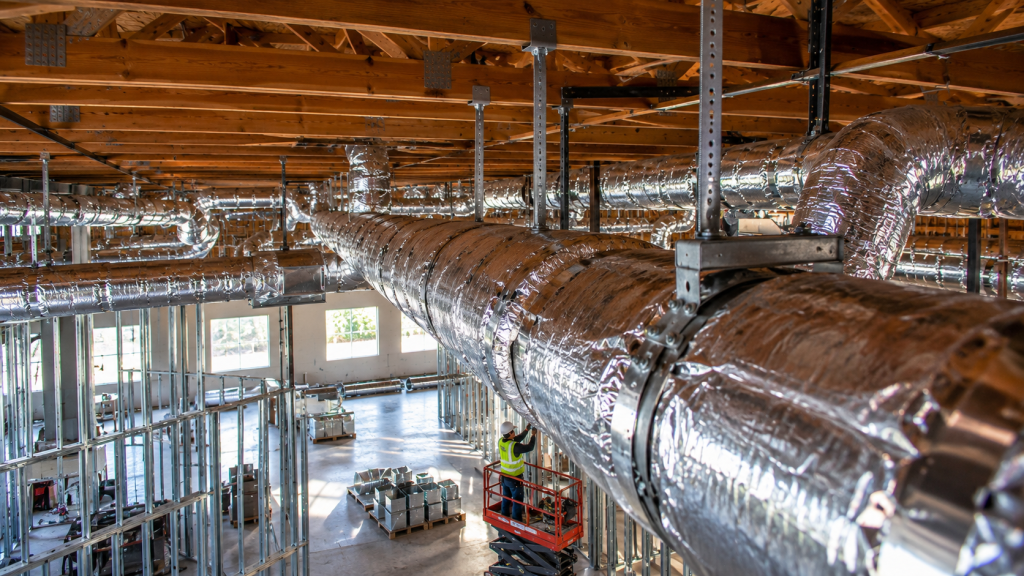
To begin with, a commercial kitchen hood captures smoke, steam, and grease above cooking equipment. An exhaust fan, usually on the roof, pulls that air through grease filters and out of the building. However, the building has to replace every cubic foot of air that leaves. Makeup air units bring in outside air to balance the exhaust. Without enough makeup air, the building goes into negative pressure, and problems follow.
Downtown Tempe Restaurant HVAC: Start With the Menu and Line
First, the cooking line shapes everything. Fryers, griddles, char-broilers, and woks create heavy smoke and grease. Ovens and steamers create mostly heat and moisture. So the hood type and size depend on what you cook. Your kitchen designer and mechanical engineer will size hoods to cover all equipment with proper overhang. The menu, in other words, drives the ventilation plan.
Hood Types in Downtown Tempe Restaurant HVAC
In general, there are two main hood types. Type I hoods handle grease and smoke from cooking equipment. They need grease filters, fire suppression, and welded grease ducts. Type II hoods handle heat and steam from dishwashers and some ovens, without grease. Knowing which equipment needs which hood keeps the design simple and code compliant.
Grease Ducts and Fire Safety
These welded ducts run from each grease hood up to the exhaust fan on the roof. Code calls for welded, liquid-tight seams, plus cleanout doors so crews can scrape out grease. In addition, they need fire-rated enclosures where they pass through the building. The National Fire Protection Association sets the main standards for commercial kitchen exhaust. Your contractor will follow them on the drawings.
Downtown Tempe Restaurant HVAC and Makeup Air
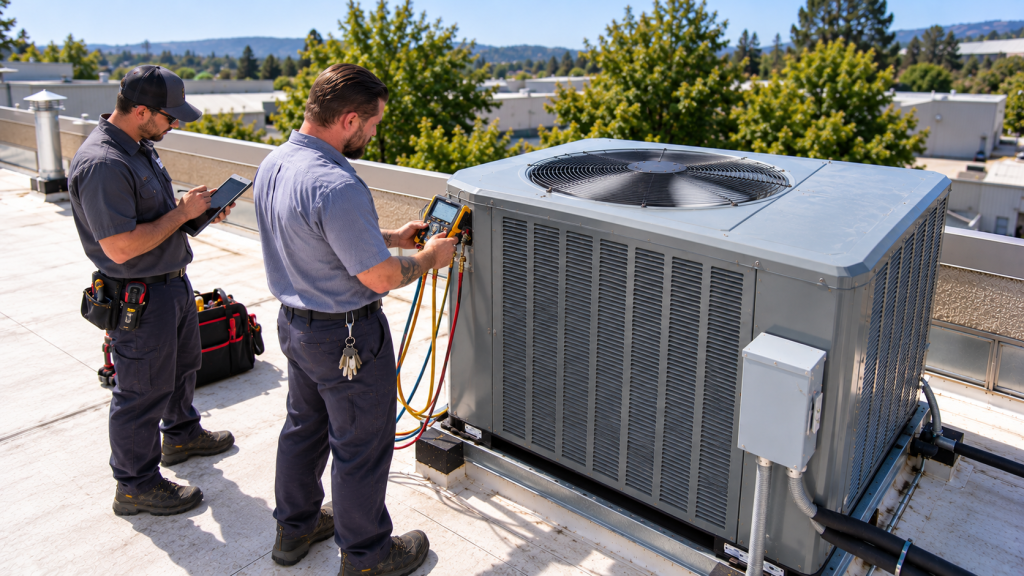
Makeup air is often the most misunderstood part of restaurant HVAC. If the hood pulls out a lot of air and nothing replaces it, the restaurant sucks air in through doors, windows, and cracks. The front door may be hard to open, and the hood may not capture smoke well. So a makeup air unit, often tied to the hood controls, supplies fresh air when the fans run. In Tempe’s heat, that air may need cooling so the kitchen stays bearable.
Cooling the Kitchen in Arizona Summers
Of course, kitchens are hot even in mild weather. In a Tempe summer, they can become dangerous for staff. So many restaurants temper or cool the makeup air before it enters the kitchen. Some also add spot cooling near the cook line. These steps keep cooks safe and help the restaurant keep good staff.
Dining Room Comfort
Meanwhile, the dining room needs its own cooling plan. Large crowds, glass storefronts, and warm kitchen air drifting out all add heat. Downtown Tempe restaurants often have big windows facing busy streets. So designers size the dining room units for peak crowds and afternoon sun. In addition, diffusers should be placed to avoid blowing on guests at their tables.
Downtown Tempe Restaurant HVAC in Older Buildings
Many downtown Tempe restaurants sit in older buildings or ground floors of mixed-use towers. Roof space may be limited, and running a grease duct to the roof can be hard. In some cases, the duct must pass through upper floors or run along an exterior wall. Planning these routes early is key. Ask the landlord what shafts or roof space already exist for kitchen exhaust.
Bars and Patios
In addition, many Mill Avenue spots have bars and patios. Bars add heat from people, ice machines, and lights. Patios may use misters, fans, or heaters. Open doors to patios also change how air moves through the building. So the HVAC design should consider how often doors stay open and how that affects the balance between exhaust and makeup air.
Downtown Tempe Restaurant HVAC Controls
Modern kitchens often link the hood exhaust fan, the makeup air unit, and the fire suppression system. When cooks turn on the hood, makeup air starts too. Some systems use sensors to speed fans up or down based on cooking activity, which saves energy. In addition, the fire system must shut down gas or power to cooking equipment when it activates.
Odor and Neighbors
Downtown Tempe restaurants often sit near apartments, offices, and hotels. Cooking smells and fan noise can bother neighbors. So the exhaust fan location, height, and direction matter. In some cases, filters or odor control units help. In addition, quieter fans and sound pads reduce noise. Thinking about neighbors early prevents complaints after opening.
Cleaning and Upkeep
Kitchen exhaust systems need regular cleaning to remove grease. Most restaurants hire a hood cleaning company on a set schedule, often every few months for busy kitchens. Filters need weekly cleaning by staff. Good upkeep lowers fire risk and keeps the fans working well. Keep cleaning records on site for inspectors and insurers.
Taking Over an Old Restaurant
Second-generation restaurant spaces may come with a hood and fan already in place. That can save money. However, the old hood may be too small for a new menu, or the ducts may be dirty or damaged. So have a contractor inspect the system before signing the lease. Then decide whether to reuse, upgrade, or replace it.
Permits and Inspections
As a rule, restaurant HVAC in Tempe needs mechanical permits and inspections through the city. Health review through Maricopa County also checks the kitchen. Hood systems, grease ducts, and fire suppression get extra attention. Plan time for all of these reviews in your opening schedule.
Budgeting Downtown Tempe Restaurant HVAC
As expected, hoods, grease ducts, roof fans, and makeup air units are among the biggest HVAC costs in a restaurant. Reusing an existing hood can save money if it fits your line and meets code. Our article on restaurant ductwork and makeup air covers more detail.
In short, plan the whole air loop at once, from hood to roof fan to makeup air.
Kitchen Ventilation Checklist
- Finalize the cooking line before sizing hoods
- Choose Type I or Type II hoods for each area
- Plan welded grease ducts with cleanouts
- Size makeup air to match exhaust
- Temper or cool makeup air for staff comfort
- Plan dining room cooling for peak crowds
- Link hood, makeup air, and fire controls
Common Restaurant HVAC Mistakes
- Too little makeup air
- Hoods too small for the cooking line
- Grease duct routes planned too late
- Dining room units sized for slow nights
- Ignoring patio door effects on airflow
Build a Kitchen That Breathes
Smart Downtown Tempe restaurant HVAC keeps your kitchen safe and your dining room comfortable. For help planning your build-out, see our kitchen exhaust services or contact our team.