
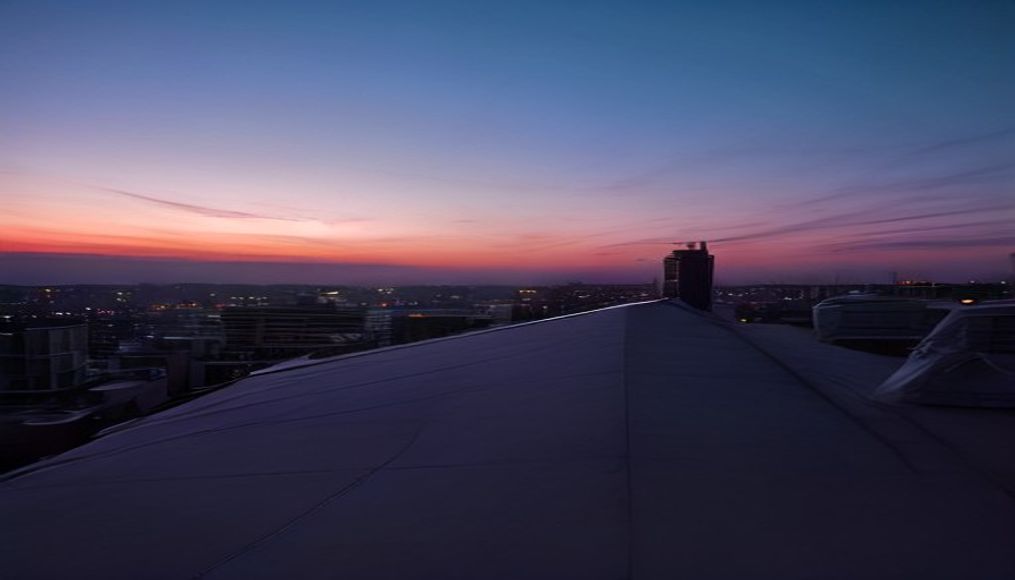
Spring Valley rooftop replacement decisions should happen before tenant construction starts, not after. Spring Valley is a large unincorporated area on the west side of the Las Vegas Valley. Strip centers, offices, and medical plazas line Rainbow Boulevard and Flamingo Road. Many of these buildings carry rooftop AC units that have baked in the desert sun for fifteen or twenty years. If an old unit fails right after a new tenant opens, everyone loses. Here is how to evaluate rooftop equipment before tenant construction begins.
Landlords, property managers, and tenants will find steps here for judging rooftop units and planning replacements.
Why Timing Matters
Swapping a rooftop unit before tenant work is far easier than doing it later. Before construction, the crew can access the roof, cut new openings, and adjust ductwork without disturbing finished ceilings. Also, the new layout can guide the size and spot of new units. After opening, a swap can disrupt business and harm new finishes. So plan any Spring Valley rooftop replacement early.
Start Spring Valley Rooftop Replacement Reviews With an Inventory
First, list every rooftop unit that serves the suite. Record the brand, model, serial number, size, and age from each data plate. Next, note the type of refrigerant. Older units may use refrigerants that cost more to service. In addition, gather any maintenance records from the landlord. This inventory gives you a starting point for decisions.
Age and Expected Life
Rooftop units in Las Vegas work hard. Summer temperatures well above 100 degrees push compressors to their limits for months at a time. As a result, many units wear out sooner than they would in a milder climate. Units older than about fifteen years deserve a close look. Units older than twenty often make sense to replace before a new lease starts.
Spring Valley Rooftop Replacement Inspections
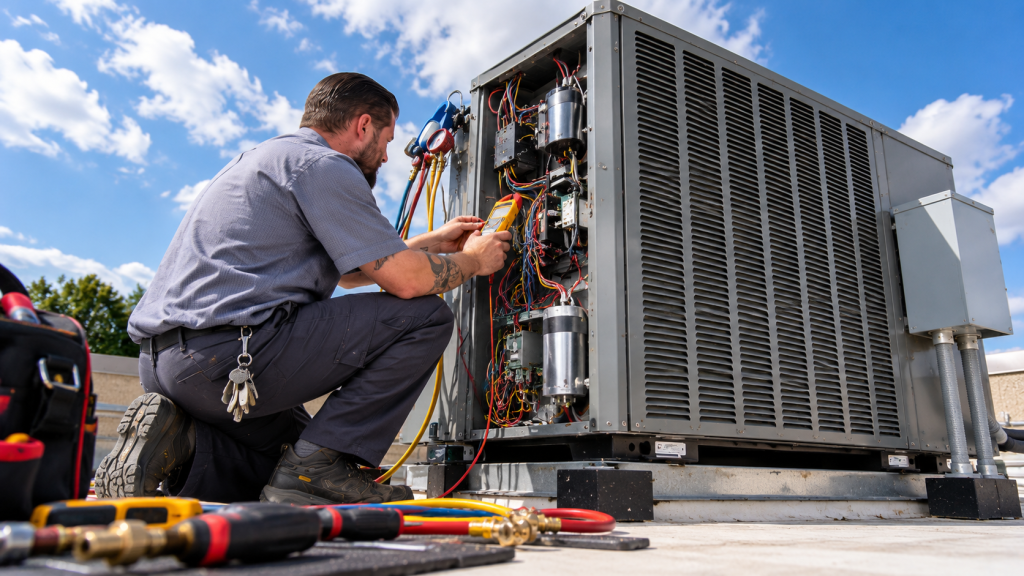
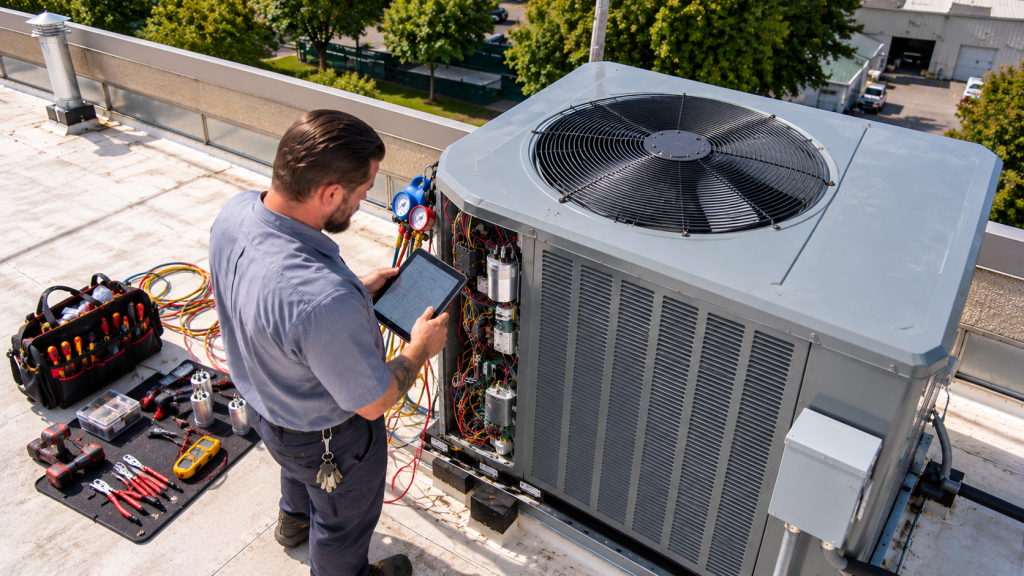
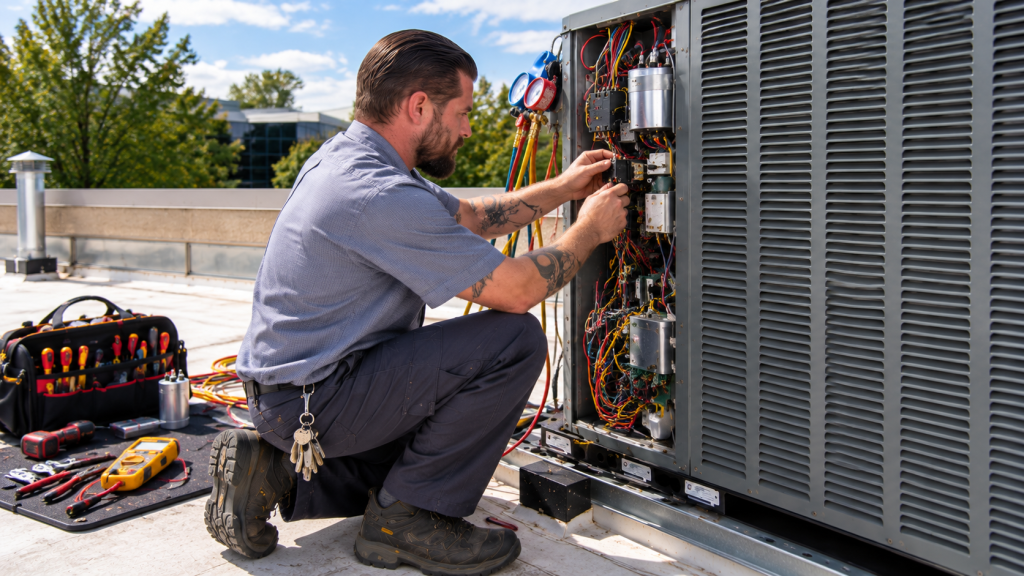
A technician should inspect each unit on the roof. They check coils for dirt, corrosion, and damage. They look at the cabinet, drain pan, and roof curb for rust and leaks. In addition, they test compressors, fans, belts, and electrical parts. Refrigerant pressures and temperature readings show whether the unit cools properly. These findings reveal how much life remains.
Spring Valley Rooftop Replacement and Capacity
Even a unit in good shape may be the wrong size for the new tenant. A salon, gym, or restaurant needs much more cooling than a small office. So the designer sizes the cooling load around the new business. If the existing units fall short, the owner must replace or supplement them. If they are much too large, a smaller unit may cool more evenly.
Efficiency Gains
New rooftop units use far less energy than units built twenty years ago. Higher efficiency means lower cooling bills, which matter a lot in Las Vegas. Many new units also have variable-speed fans that run quieter. NV Energy lists business programs that may offset part of the cost.
Roof Curbs and Adapters
Today’s units rarely match the footprint of models from twenty years ago. An adapter curb then bridges the new unit to the old opening. Sometimes a new curb and opening work better. In addition, the roofer seals and flashes around the curb. Since the crew is already on the roof, it is a good time to fix nearby leaks.
Spring Valley Rooftop Replacement Electrical Needs
New units may need different electrical service. For example, a higher-capacity unit may need a larger breaker and wire. So the electrician checks the panel, feeders, and disconnects. In addition, new controls may need low-voltage wiring. Coordinating electrical work early avoids delays on crane day.
Crane Day for a Spring Valley Rooftop Replacement
Most rooftop swaps need a crane. The crew plans the lift path, closes part of the parking lot, and notifies neighbors. Lifts usually happen early in the morning when temperatures and winds are lower. In addition, the crew sets the new unit, connects ducts and gas, and starts it up the same day when possible.
Ductwork Connections
The new unit must connect to the existing or new ductwork. If the tenant layout changes, the duct system may need new trunks and branches. In addition, old duct connections at the curb often leak. Sealing them improves efficiency. Our page on ductwork services covers these updates.
Permits in Unincorporated Clark County
Spring Valley is not part of the City of Las Vegas. Instead, the Clark County Building Department handles mechanical permits. The county wants the unit’s specs, weight, wiring data, and curb plan, and an inspector signs off at the end.
Refrigerant Changes
Refrigerant rules have changed over the years. Some older units use refrigerants that are no longer made. That makes repairs costly. Newer units use refrigerants with lower climate impact. So an old unit that needs a refrigerant repair is often a strong candidate for replacement. In addition, technicians must recover old refrigerant properly during removal.
Lease Terms and Cost Sharing
Leases decide who pays for rooftop replacement. Some landlords replace old units as a capital expense before a new lease starts. Others offer an allowance or ask the tenant to pay. In addition, many leases require the tenant to maintain units during the term. So clarify Spring Valley rooftop replacement terms in writing before work begins.
Budgeting Spring Valley Rooftop Replacement
Price depends mostly on how many units you replace and how large they are. Curb adapters, crane time, wiring, and duct changes add to it. Replacing one small unit costs much less than several large ones. In addition, adding smart controls or economizers raises the cost but improves performance. Our rooftop unit replacement page outlines what affects price.
Lead Times
Rooftop units can take days or weeks to arrive, depending on brand and size. Summer demand in Las Vegas can stretch lead times further. So order early, ideally in spring. In addition, a temporary cooling plan may help if a unit fails before the replacement arrives.
Temporary Cooling
Sometimes an old unit fails before the new one arrives. In summer, that can shut down a business. Portable spot coolers or rental units can bridge the gap. So ask your contractor about a backup plan when you order replacement equipment. A few days of rental cooling costs far less than a closed store.
Maintenance After Replacement
New units last longer with regular care. Change filters often, since desert dust clogs them quickly. Clean coils before summer. In addition, check belts, drains, and refrigerant once or twice a year. A maintenance plan protects a Spring Valley rooftop replacement and keeps tenants comfortable.
Tips for Landlords
- Inventory every unit before marketing a suite
- Replace units over twenty years old early
- Plan crane lifts for cool mornings
- Fix roof leaks while curbs are open
- Set up maintenance with each new tenant
Spring Valley Rooftop Replacement Checklist
- Record each unit’s age, size, and refrigerant
- Inspect condition on the roof
- Size the cooling load for the new business
- Compare repair and replacement costs
- Plan curbs, electrical, and ductwork
- Get Clark County permits
- Schedule crane day and maintenance
Start the Lease With Reliable Cooling
Evaluating rooftop units before tenant construction prevents breakdowns, protects new finishes, and keeps tenants happy. With a clear plan, your Spring Valley property will be ready for the hottest summers. Visit our Las Vegas HVAC services, or book a rooftop evaluation.