Silverado Ranch restaurant HVAC systems must move a lot of air in two directions at once. Silverado Ranch, a fast-growing south-valley community near the I-15 and St. Rose Parkway, has become a busy area of shopping centers, family restaurants, and quick-service spots. Every commercial kitchen pulls hot, greasy air out through its hood. At the same time, an equal amount of fresh air must come back in. If exhaust and makeup air are out of balance, doors slam, hoods fail to capture smoke, and the dining room gets uncomfortable. Here is how to coordinate exhaust and makeup air during a restaurant build-out.
Restaurant owners, kitchen designers, and mechanical contractors will find steps here for a balanced, code-compliant system.
How Kitchen Exhaust Works
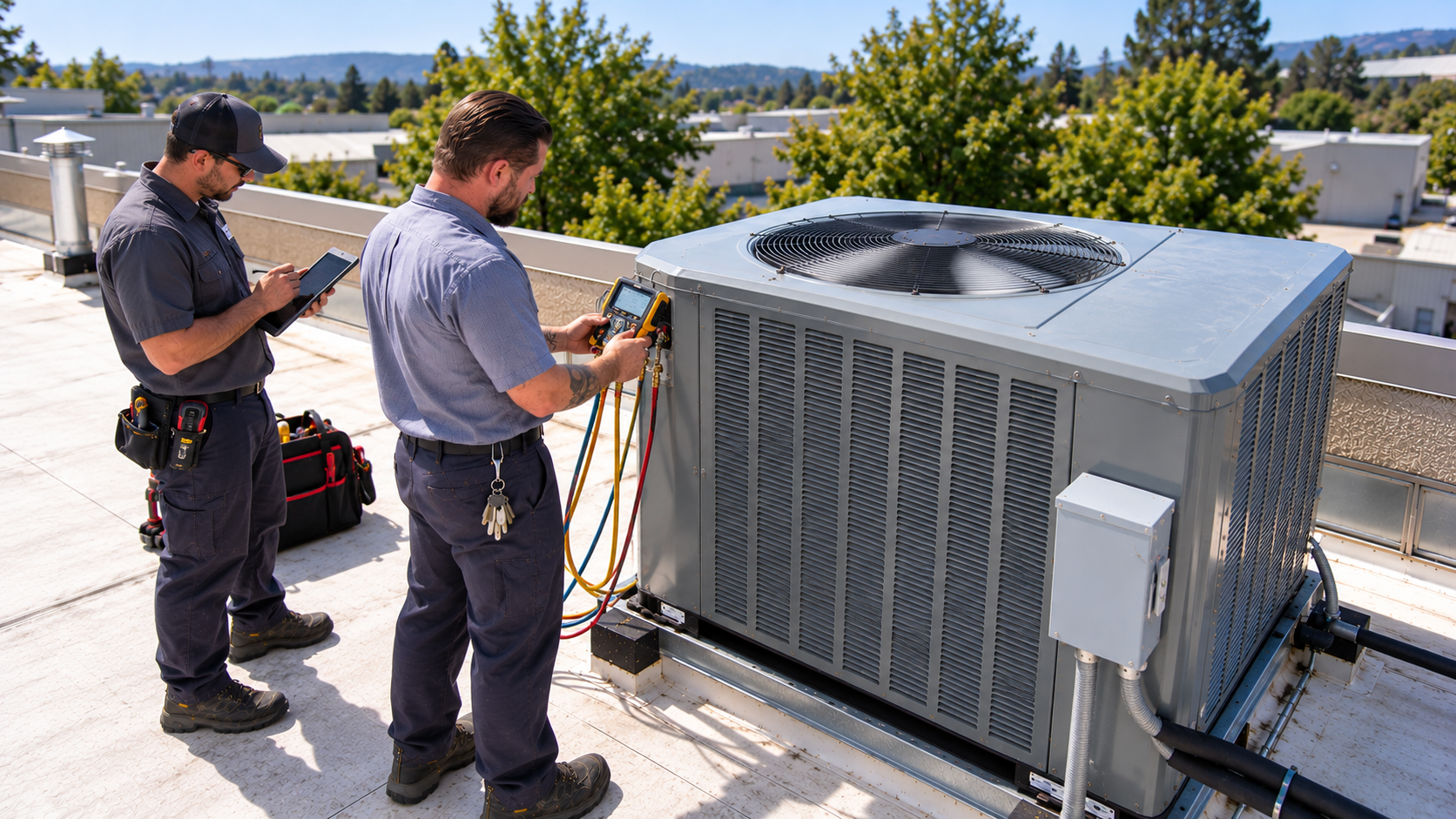
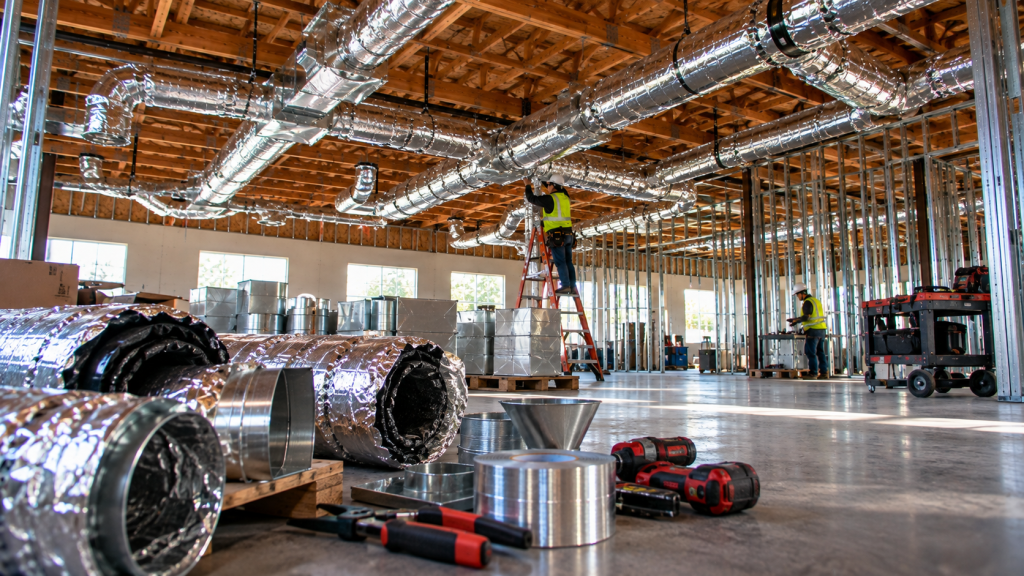
A kitchen hood sits above cooking equipment. An exhaust fan on the roof pulls air up through the hood, carrying away heat, smoke, steam, and grease. Grease filters in the hood catch much of the grease before it reaches the duct. The exhaust duct runs straight to the roof, often through a grease duct enclosure. This part of Silverado Ranch restaurant HVAC keeps the kitchen safe and comfortable.
Why Makeup Air Matters
Every cubic foot of air that leaves through the hood needs a replacement. Skip makeup air, and the building turns strongly negative. As a result, air rushes in through doors, cracks, and even plumbing vents. Doors become hard to open, hoods stop capturing smoke well, and hot outdoor air pours into the dining room. Makeup air units solve this by bringing in fresh air on purpose.
Start Silverado Ranch Restaurant HVAC With the Menu and Equipment
First, the menu decides the cooking equipment, and the equipment decides the hood. Fryers, charbroilers, and woks produce heavy smoke and grease. Ovens and steamers produce mostly heat and steam. So the kitchen designer lists every piece of cooking equipment first. Then the mechanical engineer sizes the hood and exhaust fan to match.
Sizing the Hood and Exhaust Fan
Generally, hood size depends on the length of the cooking line and the type of equipment. Exhaust airflow depends on hood style and cooking intensity. Heavy-duty cooking needs more airflow. In addition, the hood must overhang the equipment by a set amount to capture smoke. The NFPA standard for commercial cooking guides hood and duct safety.
Silverado Ranch Restaurant HVAC and Makeup Air Units
Typically, the makeup air unit sits on the roof near the exhaust fan. It pulls outside air in and releases it near the hood or across the kitchen. In Las Vegas, that outdoor air can be extremely hot in summer. So many makeup air units include cooling or evaporative pre-cooling. In winter, they may include heating. Tempered makeup air keeps the kitchen comfortable for cooks.
Balancing Exhaust and Makeup Air
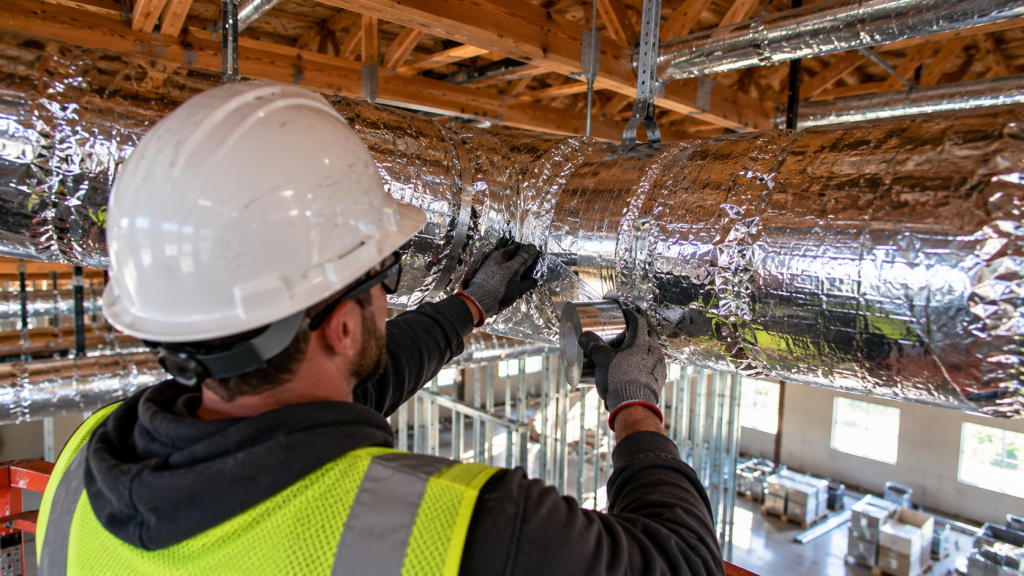
The goal is to replace most of the exhausted air with makeup air. The rest comes from the dining room HVAC system, which keeps the kitchen slightly negative. That slight negative pressure keeps cooking odors from drifting into the dining room. However, too much negative pressure causes problems. So a balancing contractor measures and adjusts airflows before opening.
Dining Room Cooling
Meanwhile, guests in the dining room need cooling of their own. Large windows, crowds, and heat from the kitchen pass-through all add load. In addition, the units must cool outdoor ventilation air. Rooftop units sized for the dining room keep guests comfortable during busy summer dinners. Zoning in Silverado Ranch restaurant HVAC can separate the bar, dining room, and patio areas.
Silverado Ranch Restaurant HVAC Controls
Today, modern kitchens often use demand control ventilation for hoods. Sensors detect heat and smoke, then speed the exhaust fan up or down. The makeup air unit follows the exhaust fan. This saves energy during slow periods. In addition, interlocks make sure makeup air runs whenever the exhaust fan runs. Our page on controls and balancing explains these systems.
Silverado Ranch Restaurant HVAC Fire Safety
Hoods over grease-producing equipment need a fire suppression system. If a fire starts, the system sprays agent onto the cooking surfaces and shuts off fuel. In addition, the exhaust fan often keeps running to remove smoke. Grease ducts need clearance from combustible materials and access panels for cleaning. Inspectors check these safety features closely.
Roof Layout and Separation
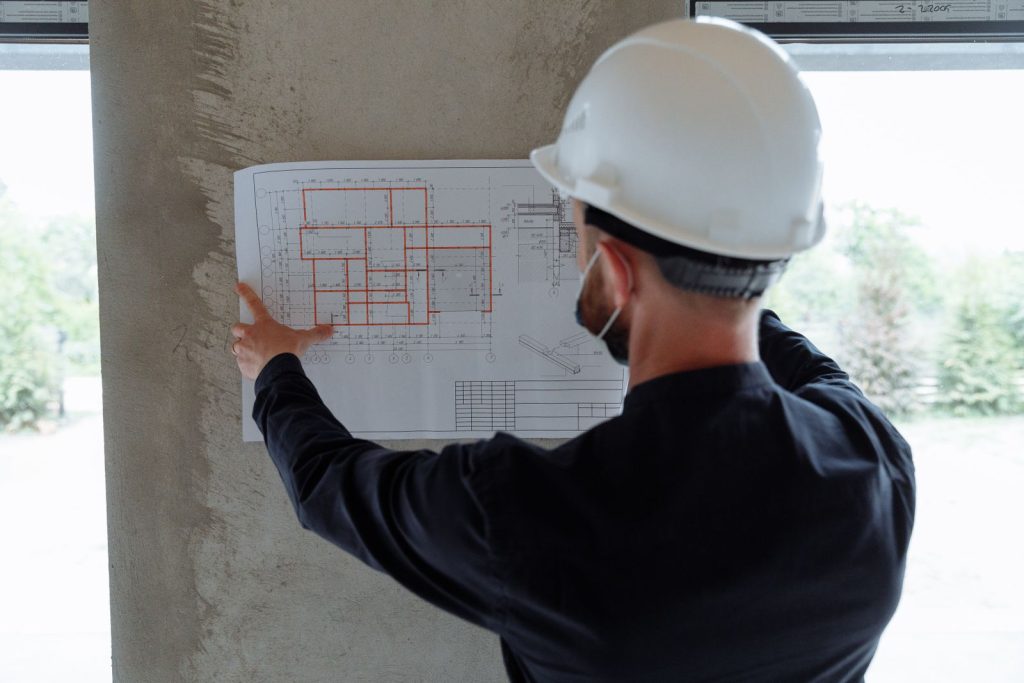
The exhaust fan and makeup air intake must sit far enough apart on the roof. If they sit too close, the intake can pull greasy exhaust back into the building. Codes set minimum distances. In addition, the roof must support the weight of fans, units, and curbs. Plan the roof layout early with the structural engineer and landlord.
Health District and County Approvals
Silverado Ranch lies in unincorporated Clark County. So the county building department reviews mechanical plans. In addition, the Southern Nevada Health District also checks every restaurant plan. Both reviews check hood, exhaust, and makeup air details. Submit early, since restaurant plans often take longer to approve.
Coordinating With Other Trades
Hood installers, mechanical contractors, electricians, plumbers, and fire suppression crews all work in the kitchen. The hood needs power for lights and fans. Gas lines need shutoff valves tied to the fire system. In addition, ductwork must route around beams and sprinklers. A weekly coordination meeting keeps everyone aligned. See our kitchen exhaust contractor page for details.
Testing Before Opening
Before opening, technicians test the hood’s capture, measure exhaust and makeup airflows, and verify interlocks. A certified technician inspects and tags the fire suppression system. In addition, the balancing report confirms the building pressure. Passing these tests keeps the opening date on track.
Budgeting Silverado Ranch Restaurant HVAC
Costs depend on hood length, exhaust fan size, makeup air unit type, and dining room cooling. Tempered makeup air with cooling costs more but keeps cooks comfortable. In addition, demand control ventilation adds upfront cost but lowers energy bills. Our HVAC cost guide shows general ranges.
Maintaining Silverado Ranch Restaurant HVAC
Kitchen exhaust systems need regular cleaning to prevent grease fires. Staff should clean hood filters often, and a service company should clean ducts on a set schedule. Makeup air filters need changing, especially during dusty months. In addition, belts and motors need checks. A service plan keeps Silverado Ranch restaurant HVAC safe and efficient.
Patio Dining in the Heat
Many Silverado Ranch restaurants offer patio seating. Misters and fans make patios usable in warm months. However, open patio doors let hot air into the dining room. So consider air curtains or keeping patio doors closed during peak heat. In addition, shade structures cut heat on west-facing patios.
Tips for Restaurant Owners
- Finish the menu and equipment list first
- Choose tempered makeup air for summer comfort
- Keep exhaust and intakes apart on the roof
- Interlock makeup air with exhaust fans
- Schedule regular hood and duct cleaning
Silverado Ranch Restaurant HVAC Checklist
- List cooking equipment and size the hood
- Size exhaust fans and makeup air units
- Plan dining room cooling and zones
- Set up controls and interlocks
- Coordinate fire suppression and trades
- Get county and health district approvals
- Test, balance, and plan maintenance
Cook and Serve in Comfort
Balanced exhaust and makeup air keep a Silverado Ranch kitchen safe, comfortable, and efficient. With careful coordination, your restaurant will open on schedule and run smoothly. Explore our Las Vegas HVAC page, or plan your kitchen ventilation with us.