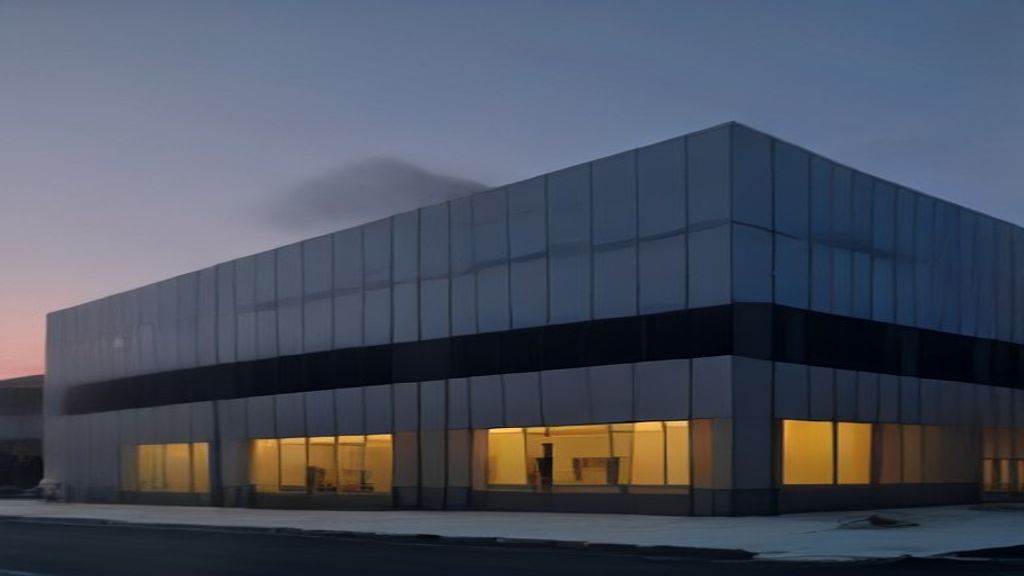
Downtown Mesa air conditioning needs often change when a building takes on a new purpose. Downtown Mesa, centered on Main Street and the light rail line, has seen old shops become breweries, offices become yoga studios, and storefronts become restaurants and galleries. Each new use brings different cooling demands. A space that once held a quiet retail shop may now host dozens of people, hot kitchen equipment, or bright stage lights. This guide explains how to plan commercial air conditioning installation for a new business use in downtown Mesa.
Business owners, landlords, and builders will find the main steps below.
Why a New Use Changes Cooling Needs
Cooling needs depend on what goes on inside a space. People give off heat. So do lights, computers, ovens, and fitness equipment. In addition, a busy space needs more fresh air, which must be cooled before it enters. For example, a former bookstore with a few customers needs far less cooling than a brewery taproom packed on a Friday night. So the old air conditioning system may not fit the new business.
Downtown Mesa Air Conditioning: Know the Building
Many downtown Mesa buildings are decades old, with brick walls, high ceilings, and storefront glass. Some have newer rooftop units, while others rely on old equipment or even window units. Start by checking:
- The type, age, and size of existing cooling equipment
- Roof structure and space for new units
- Electrical service and panel capacity
- Existing ducts, if any
- Shared walls and roofs with neighboring buildings
These facts shape which systems will work.
Sizing Downtown Mesa Air Conditioning for the New Use
The designer works out the cooling load for the new use. It adds up heat from people, gear, lights, glass, walls, and fresh air. Then it shows how many tons of cooling the space requires. In older buildings with little insulation and big west-facing windows, the load can be high. Sizing right avoids both hot rooms and wasted energy.
Downtown Mesa Air Conditioning System Choices
Several types of systems can work downtown:
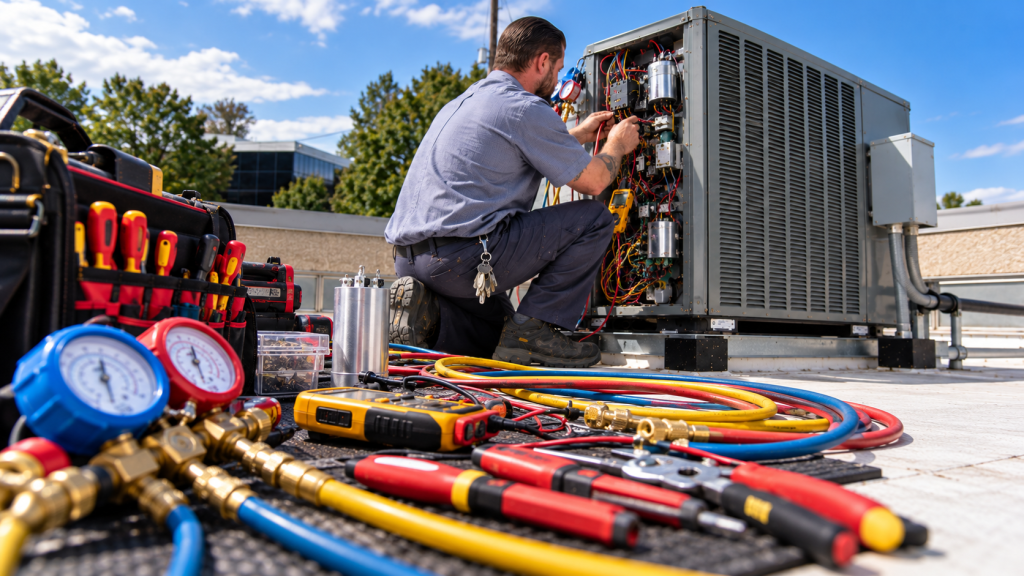
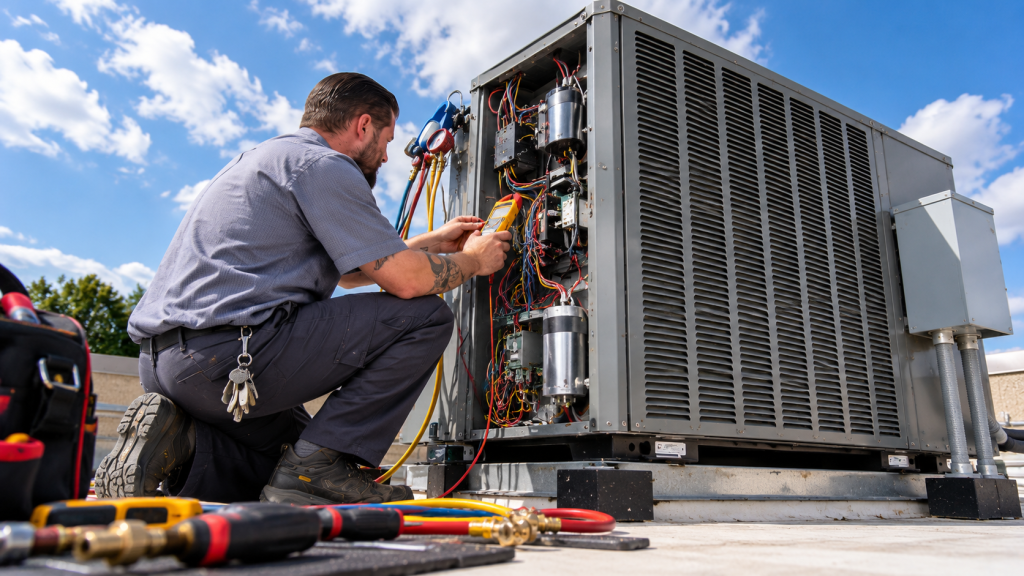
- Rooftop packaged units with ducts, common in many commercial buildings
- Split systems with an outdoor condenser and indoor air handler
- Ductless mini-splits for smaller spaces or hard-to-reach rooms
- Variable refrigerant flow systems for spaces with many zones
The right choice depends on the building, the use, and the budget.
Fresh Air in Downtown Mesa Air Conditioning
Codes require a set amount of outside air based on how many people use a space. Restaurants, gyms, and event spaces need much more than offices or shops. That fresh air must be cooled, which adds to the load. In addition, some uses need exhaust, such as restrooms, kitchens, and breweries. So the air conditioning plan must include ventilation from the start.
Downtown Mesa Air Conditioning in Historic Buildings
Some downtown buildings have historic character worth keeping. Exposed brick, tall ceilings, and original storefronts are part of the appeal. However, they can make ductwork and equipment placement tricky. Designers may use exposed spiral ducts, hide units on the roof behind parapets, or choose ductless systems to protect the look. Planning downtown Mesa air conditioning around these features keeps the building’s charm intact.
Power for Downtown Mesa Air Conditioning
Bigger cooling gear often needs more power. Older buildings may have small services that cannot handle the load. So the HVAC contractor and electrician should check the panel and service early. If an upgrade is needed, the utility may need weeks to complete it. Starting early keeps the opening date on track.
Roof Space and Structure
Rooftop equipment needs space and support. Older roofs may not carry the weight of a large new unit without reinforcement. In addition, units must meet setback rules and may need screening from the street. A structural check and a roof plan help avoid surprises on lift day.
Downtown Mesa Air Conditioning for Breweries and Restaurants
Breweries and restaurants are popular downtown. They add heat from brewing equipment, kitchens, and crowds. In addition, they may need makeup air for kitchen hoods and special exhaust. Cooling a taproom with a big garage door that stays open on mild evenings also takes careful design. These uses usually need much more capacity than the old shop or office did.
Gyms and Studios
Yoga studios, gyms, and dance spaces are popping up downtown. These uses fill a room with people who are working hard and giving off heat. They also need lots of fresh air. So the cooling must handle a full class on a summer evening. Some hot yoga studios even need heating and humidity control instead. Planning for the exact class types keeps members comfortable.
Offices and Creative Spaces
Not every new use is a heavy load. Small offices, design studios, and galleries often need less cooling than restaurants or gyms. Even so, big storefront windows and old walls can make these spaces warm. Window film, shades, and good zoning help. A ductless system can also cool a back office without running new ducts.
Noise and Neighbors
Downtown buildings sit close together, and many have apartments upstairs or next door. Rooftop units and condensers make noise. So place them away from windows when possible and choose quieter models. In addition, check city rules on noise. Good planning keeps neighbors happy.
Permits and Change of Use
When a building’s use changes, the city often reviews its HVAC, wiring, plumbing, and fire safety. The City of Mesa handles permits and inspections. In addition, food uses need health review through Maricopa County. Plan time for these reviews in your schedule. The Maricopa County website explains county-level steps.
Energy Efficiency
New equipment can cut energy use a great deal compared with old systems. Features like variable-speed compressors, economizers, and smart thermostats help further. You can read more about efficient cooling on the Energy Department’s site.
Downtown Mesa Air Conditioning and the Light Rail Crowd
Main Street draws foot traffic from the light rail, events, and the arts center. On busy nights, doors open and close all the time, letting hot air in. So shops and restaurants near the stations may need extra capacity or an air curtain at the door. In addition, a vestibule helps hold the cool air inside. These small steps keep guests comfortable even when the street is busy.
Budgeting the Installation
Costs depend on system type, size, ductwork, electrical upgrades, and roof work. Reusing existing ducts or equipment can save money when they fit the new use. Our HVAC cost guide explains typical price factors.
Planning Checklist
- Review existing equipment and building conditions
- Run a load calculation for the new use
- Choose a system that fits the building
- Plan fresh air and exhaust
- Check electrical service and roof structure
- Respect historic features
- Get permits for the change of use
Finally, keep every unit manual in one place for the next service call.
Common Mistakes
- Keeping old equipment sized for the old use
- Forgetting fresh air requirements
- Starting electrical upgrades too late
- Overloading an old roof
- Ignoring the effect of open doors and big windows
Cool Your New Business the Right Way
Smart downtown Mesa air conditioning planning gives your new business a comfortable space from day one. For help with your project, visit our commercial HVAC tenant improvement services, or tell us about your new business.