
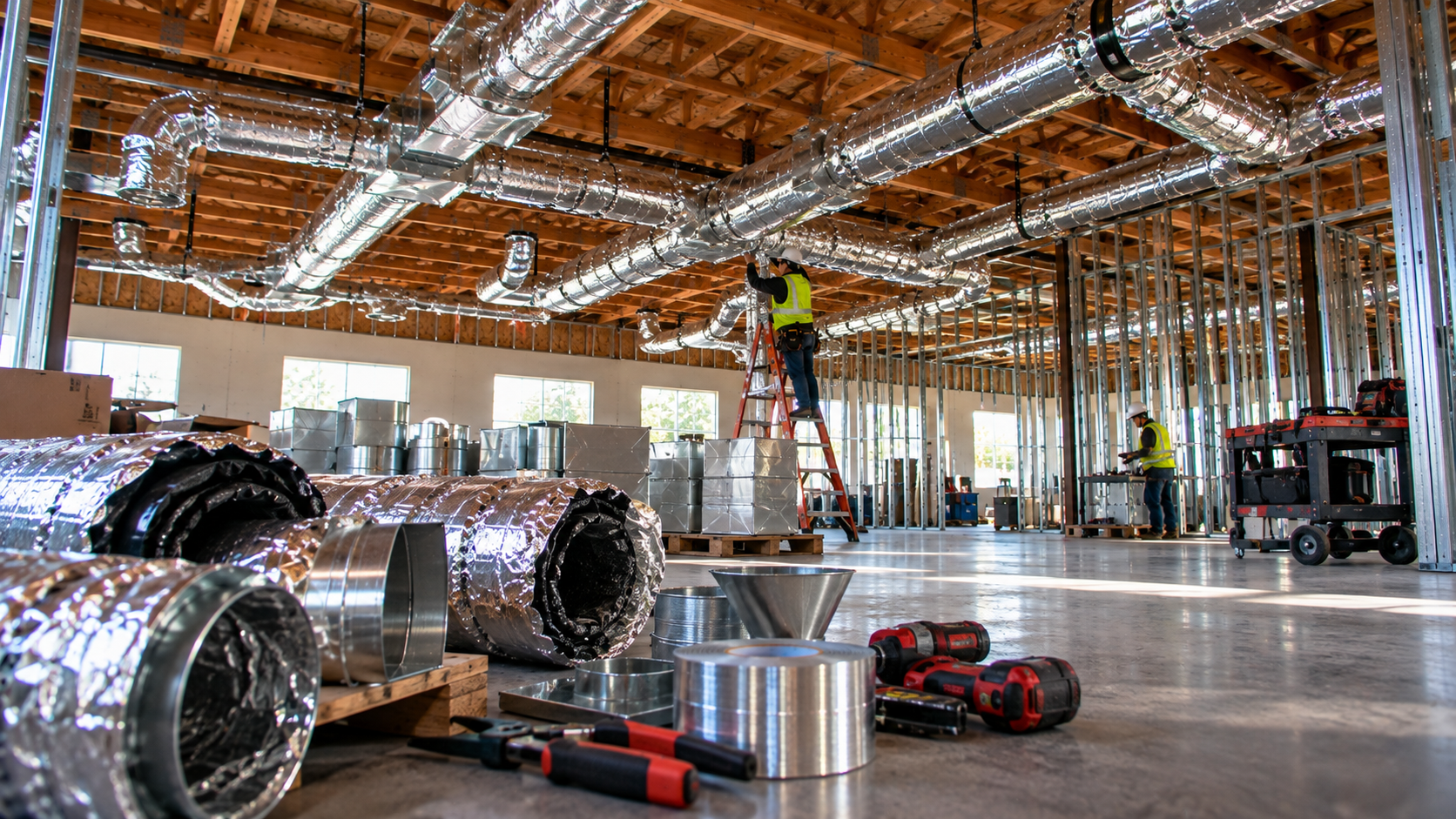
San Pedro ventilation upgrades face a challenge few inland projects deal with: salty harbor air that eats away at metal equipment. San Pedro is the Los Angeles neighborhood that sits beside the Port of Los Angeles, with a historic downtown along 6th Street and Pacific Avenue, shops on Gaffey Street, and new waterfront development along the main channel. Its commercial spaces host seafood restaurants, breweries, art studios, maritime offices, boat repair shops, and warehouses. When a new tenant moves in, the mechanical system often needs upgrades to match the new use. Here is how to plan it.
If you are taking over a harbor-area space, these steps will help you plan ventilation that lasts.
Why a New Tenant Often Needs New Ventilation
Ventilation rules depend on the business inside. A quiet office needs modest fresh air. By contrast, a brewery taproom full of guests needs much more. A boat repair shop needs exhaust for fumes from paints, resins, and solvents. So a system that suited the last tenant may fall short for the next one. Planning starts with a clear picture of the new use.
Start San Pedro Ventilation Upgrades With the New Use
First, write down what the business does. Count the people on the busiest day. Then list the machines and any fumes, steam, or dust. Next, note special rooms such as kitchens, spray areas, or storage for chemicals. In addition, record operating hours. This description tells the designer which ventilation rates and exhaust systems the code requires.
Surveying the Existing System
A technician then surveys the current fans, rooftop units, louvers, and ducts. They record sizes, conditions, and control settings. Harbor buildings often show heavy corrosion on outdoor equipment. Coils may be pitted, fan housings rusted, and fasteners weakened. So the survey notes which items can stay and which must be replaced.
San Pedro Ventilation Upgrades and Salt Air
Salt spray and humid marine air shorten the life of HVAC gear. Uncoated aluminum coils can fail within a few years near the water. So designers specify coated coils, stainless or galvanized fasteners, and corrosion-resistant fan housings. In addition, rooftop equipment benefits from regular fresh-water rinsing. These choices cost a bit more up front but last far longer.
Fresh Air for Customers and Staff
Taprooms, restaurants, and event spaces along the waterfront fill quickly on weekends. Codes set outdoor air rates based on occupancy, so these uses need a lot of fresh air. Demand control ventilation can raise and lower outdoor air with the crowd. As a result, the system stays efficient on quiet weekday afternoons and keeps up on busy Saturday nights.
Filtering Port and Traffic Pollution
Ships, trucks, and cargo equipment near the port release diesel exhaust. That pollution can drift into nearby buildings. So upgraded filters on outdoor air intakes make a real difference. Many designers specify high-efficiency filters for occupied spaces. In addition, intakes should face away from busy truck routes when possible. The South Coast AQMD tracks air quality in the harbor area.
San Pedro Ventilation Upgrades for Breweries and Kitchens
Breweries release steam and heat from brew kettles and need exhaust above them. Meanwhile, seafood kitchens call for a capture hood, a roof exhaust fan, and tempered replacement air. Seafood kitchens can produce strong odors, so exhaust outlets must sit away from neighbors and intakes. In addition, county health officials review kitchen plans. Our kitchen exhaust page covers these systems.
Exhaust for Marine and Industrial Shops
Boat repair, fiberglass work, and metal fabrication create dangerous fumes and dust. These shops need local exhaust at each work area, plus strong general ventilation. Spray finishing often requires a dedicated booth with filtered exhaust. In addition, some processes need air district permits. Check the requirements before you sign the lease.
Balancing Exhaust and Supply
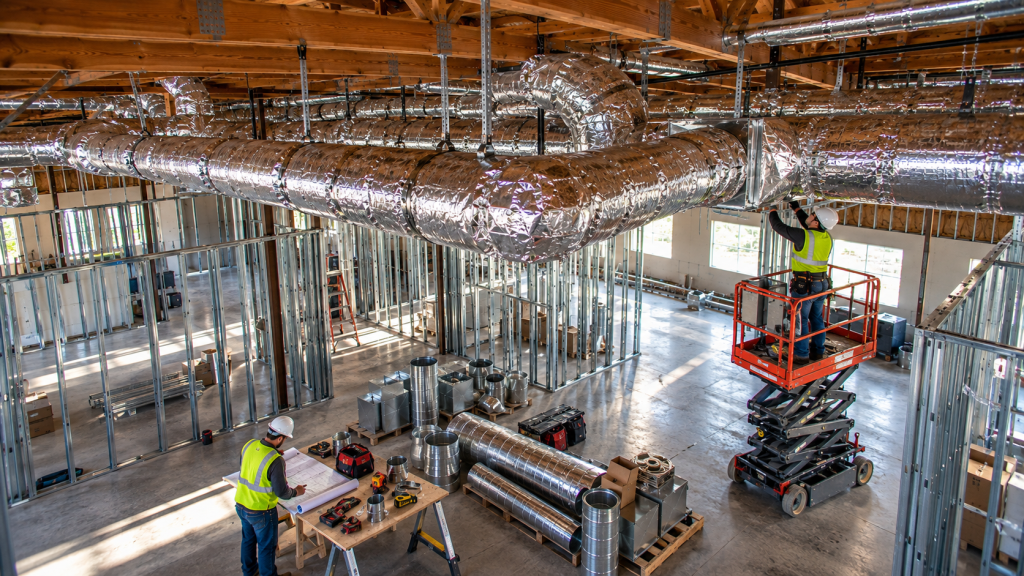
When new exhaust fans go in, replacement air must come in too. Otherwise, the building turns negative and pulls in salty, dusty air through every gap. So every new exhaust fan gets a matching source of fresh air. Then a balancer checks the final pressure. Slight positive pressure usually works best in occupied areas.
San Pedro Ventilation Upgrades in Historic Buildings
Downtown San Pedro has many older brick and concrete buildings. Some sit in areas with design guidelines. New roof equipment may need screening, and wall louvers may need to match historic openings. So check design rules before choosing equipment locations. In addition, older roofs may need structural review for heavy units.
Controls and Monitoring
Modern controls help ventilation systems respond to real conditions. Carbon dioxide sensors adjust fresh air for crowds. Carbon monoxide sensors can turn on garage or shop exhaust. In addition, smart thermostats let managers adjust settings remotely. Our page on HVAC controls explains common setups.
Permits and Approvals
San Pedro is part of the City of Los Angeles, so LADBS issues mechanical permits. Restaurants also need county health approval. Industrial uses may need permits from the air district. In addition, properties on port land may involve the Port of Los Angeles for leasing and development approvals. Ask early which agencies apply to your site.
San Pedro Ventilation Upgrades Costs
Budgets follow the type of business, how far the old fans fall short, the rust protection you pick, and roof work. Office conversions may need only filter and damper changes. Breweries, kitchens, and repair shops need much more. In addition, coated coils and stainless parts add cost but save money over time. Our HVAC budget guide outlines typical ranges.
Maintenance in a Marine Climate
Equipment near the water needs more care. Rinse coils with fresh water every few months. Check fasteners and panels for rust. Change filters more often, since salt and soot load them quickly. In addition, inspect belts and bearings, which wear faster in damp air. A regular plan protects your investment.
Timeline
The survey and design usually take a few weeks. Permit review follows, and coated equipment may have longer lead times. Then installation, balancing, and inspections close out the job. Order corrosion-resistant equipment early so it arrives on time.
San Pedro Ventilation Upgrades for Art Studios
The arts district downtown has many studios. Painters, potters, and printmakers use paints, glazes, and inks. Some of these give off fumes. So studios need steady exhaust near work tables. Kilns get very hot, and they need their own vent. In addition, open doors help on mild days. But they are not enough in a crowded studio. A small exhaust fan and a fresh air louver can make a big change. Tell the designer about each material you use.
Quick Wins for Small Budgets
Not every tenant can afford a full upgrade. Still, a few steps help a lot. Swap in better filters. Clean or rinse the coils. Fix stuck dampers so fresh air can enter. Then set the fans to run during work hours. These low-cost moves often improve the air right away.
Tips for New Tenants
- Describe your use and peak crowd in detail
- Specify coated coils and corrosion-resistant parts
- Upgrade filters for diesel and salt
- Pair exhaust with makeup air
- Confirm which agencies review your site
San Pedro Ventilation Upgrades Checklist
- New use and occupancy review
- Existing system and corrosion survey
- Fresh air, exhaust, and filtration design
- Corrosion-resistant equipment
- Permits and approvals
- Balancing and maintenance plan
Fresh Air by the Harbor
Well-planned San Pedro ventilation upgrades give your new business clean air and equipment that stands up to the harbor climate. With the right design, your space stays healthy and comfortable for years. Read about our build-out HVAC work, or ask us to review your harbor space.