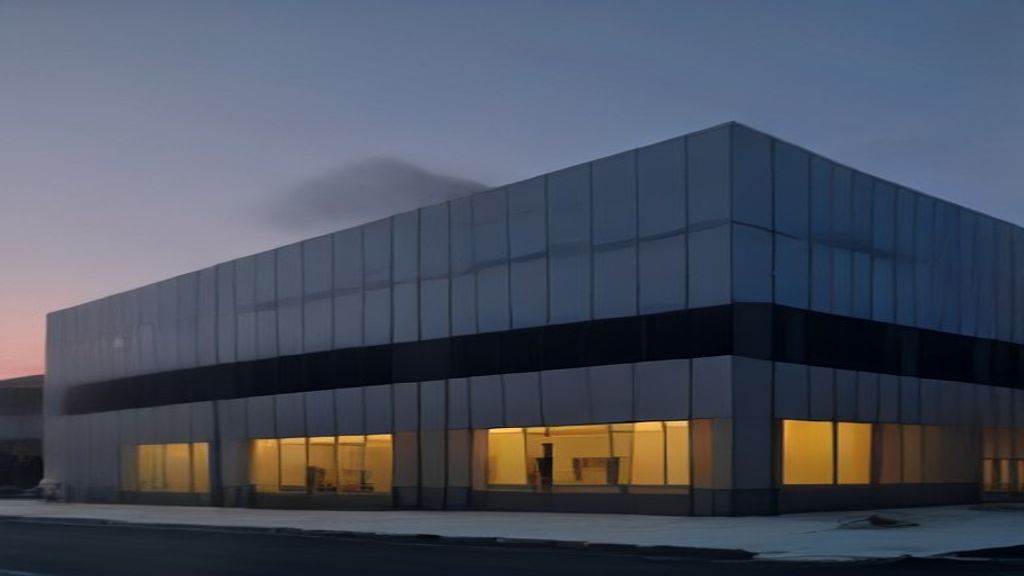
Silver Lake retail HVAC decisions start with a simple question: is the equipment already on the roof worth keeping? Silver Lake is one of the east side’s best-known neighborhoods, with independent boutiques, record stores, vintage shops, and cafés along Sunset Boulevard, Silver Lake Boulevard, and Hyperion Avenue. Many of its storefronts date from the 1920s through the 1960s, and most have changed hands many times. Each tenant left behind rooftop units, ducts, and thermostats of varying age and quality. Before a new store opens, someone has to sort the good from the worn out. This guide explains how to evaluate existing equipment and ductwork during a retail tenant improvement.
Here is how to decide what stays and what goes.
Why Evaluation Saves Money
Replacing every piece of HVAC gear is expensive, yet keeping the wrong equipment can be worse. A tired rooftop unit may limp through spring and then fail in the first August heat wave. Meanwhile, perfectly good ducts sometimes get torn out simply because nobody checked them. A careful evaluation avoids both mistakes. It also gives you facts to bring to the landlord when negotiating repairs.
Start Silver Lake Retail HVAC Planning With the Store Concept
First, describe how the store will work. A clothing boutique with fitting rooms has different needs than a coffee bar with espresso machines or a plant shop with grow lights. Next, estimate how many shoppers and staff will be inside at busy times. In addition, note heat-producing items like display lighting, refrigerated cases, or ovens. This picture tells the technician what the system must handle.
Reading the Rooftop Unit Nameplate
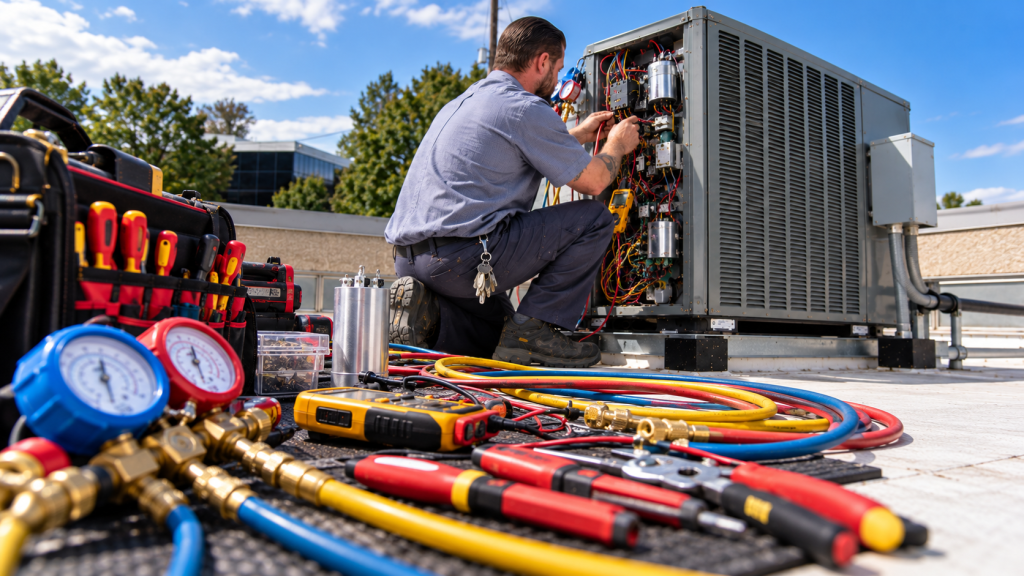
Every rooftop unit has a nameplate with its model, serial number, tonnage, and refrigerant type. The serial number usually reveals the year it was built. So the technician starts there. Units more than fifteen years old are often near the end of their useful life. In addition, units using older refrigerants cost more to service as those refrigerants become scarce.
Silver Lake Retail HVAC Equipment Condition
Age is only part of the story. Next, the technician opens the panels and checks the compressor, fan motors, belts, coils, and electrical parts. They look for oil stains that hint at refrigerant leaks and rust that signals water damage. Then they run the unit and measure the temperature difference between return and supply air. Healthy units cool the air noticeably. Weak ones barely change it.
Checking Cooling Capacity
Even a sound unit can fall short on size. The original tenant may have been a quiet bookstore, while the new one is a busy café. So the designer runs a load estimate based on the new use. In addition, large south- or west-facing storefront windows on Sunset Boulevard add afternoon heat. If capacity falls short, the plan may call for a larger unit or a supplemental split system.
Silver Lake Retail HVAC Ductwork Review
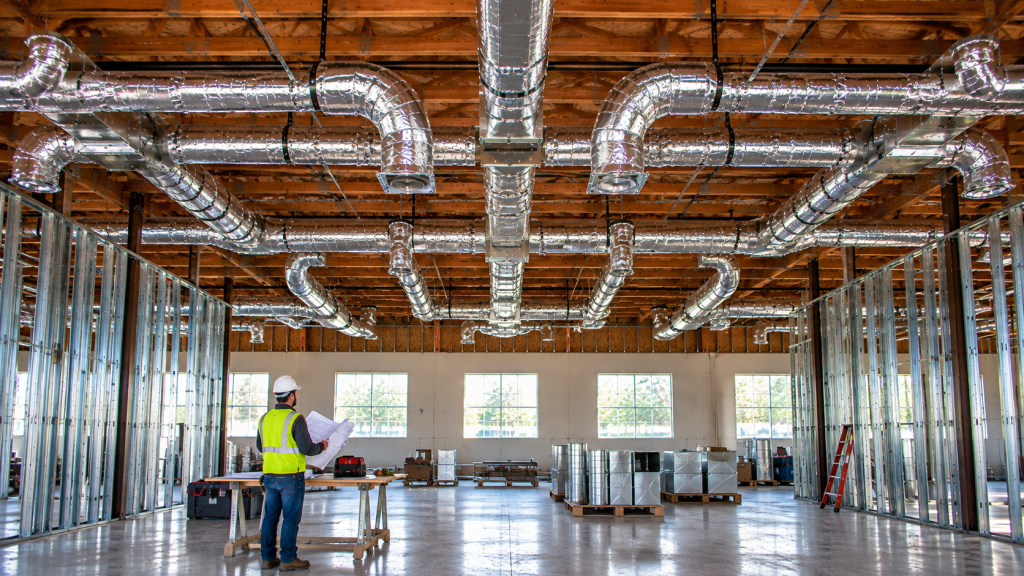
Next, pop a few ceiling tiles. Look for flattened runs, loose joints, and torn wrap. Silver Lake retail HVAC ducts in old shops often show all three. In older buildings, flexible ducts often sag and choke airflow. In addition, past tenants may have added branches that no longer serve useful spots. The technician notes the size, route, and condition of the main trunks and branches. Often the trunks can stay while the branches change.
Testing for Duct Leaks
Leaky ducts waste energy and leave the sales floor warm. A duct leakage test pressurizes the system and measures how much air escapes. If leakage is high, crews seal joints with mastic or replace damaged sections. In addition, California’s energy code sets leakage limits for many alteration projects. So testing now can avoid surprises at inspection.
Open Ceilings and Exposed Ducts
Many Silver Lake shops love the look of open ceilings with exposed ductwork. If your design removes the drop ceiling, the old ducts suddenly become part of the décor. Battered rectangular duct rarely looks good. So the evaluation should note whether existing ducts can be cleaned and painted or should be replaced with round spiral duct. Decide this early, since it affects cost and appearance.
Thermostats and Controls
Old thermostats may be mounted in odd places or wired incorrectly. Some units have no thermostat at all and run from a switch. A modern programmable or smart thermostat lets staff set schedules and lock settings. In addition, energy rules may require certain control features, like setback schedules and economizer control. Controls upgrades usually cost little compared to equipment.

Silver Lake Retail HVAC and the Roof
Rooftop units sit on curbs that keep water out. Over time, curbs and flashing wear and leak. So the evaluation should include the roof around each unit. If the roof is near the end of its life, it may make sense to replace units and roofing together. In addition, check that service access is safe, with a proper ladder or hatch.
Electrical Supply
Bigger or newer units may need a different circuit or breaker. The technician checks the disconnect, wiring, and panel capacity. In Silver Lake, LADWP provides electric service. If the building needs more power, start the request early. Utility upgrades can take weeks or months.
Keep, Repair, or Replace
After the evaluation, sort each item into three groups. Keep the parts that are healthy and properly sized. Repair those that need modest work, like new belts, coil cleaning, or a replacement motor. Replace units that are old, failing, or too small. This list becomes the base for your HVAC budget and your lease discussions. In fact, this simple sort is the most useful result of any Silver Lake retail HVAC review.
Negotiating With the Landlord
Many retail leases put HVAC repairs on the tenant. However, you can often negotiate. If a unit is clearly worn out, ask the landlord to replace it before handover. In addition, ask for a cap on repair costs during the first year. A written evaluation makes these requests much stronger.
Permits in Los Angeles
LADBS must issue a mechanical permit before crews swap units or reroute ducts in Silver Lake. Plans should show equipment, duct changes, and energy compliance forms. The state energy standards explain which upgrades trigger extra requirements. In addition, inspectors check the work before ceilings close.
Silver Lake Retail HVAC Costs
Costs depend on how much equipment you keep. Reusing healthy units and trunks keeps the budget low. In contrast, new rooftop units, crane lifts, and new spiral duct raise it. Our tenant HVAC pricing page lists typical ranges for retail spaces.
Timeline
Plan on one or two site days for the evaluation, plus a few days for the written findings. Design and permits follow over several weeks. Equipment orders may add more time, so order early. Then installation, balancing, and inspection close out the job before opening day.
Tips for Retail Tenants
- Describe your store use before the inspection
- Check unit age, condition, and capacity
- Inspect and leak-test the ductwork
- Decide early on open or closed ceilings
- Use the report in lease negotiations
Silver Lake Retail HVAC Checklist
- Store concept and heat sources
- Rooftop unit age, condition, and size
- Ductwork condition and leakage
- Controls, roof, and electrical
- Keep, repair, or replace list
- Permits, budget, and schedule
Open a Store That Stays Comfortable
A careful look at Silver Lake retail HVAC equipment and ducts helps you spend money where it matters and keep shoppers comfortable all year. With clear facts, you can plan a smooth build-out. See how our tenant improvement HVAC crews handle older stores, or book an HVAC evaluation.