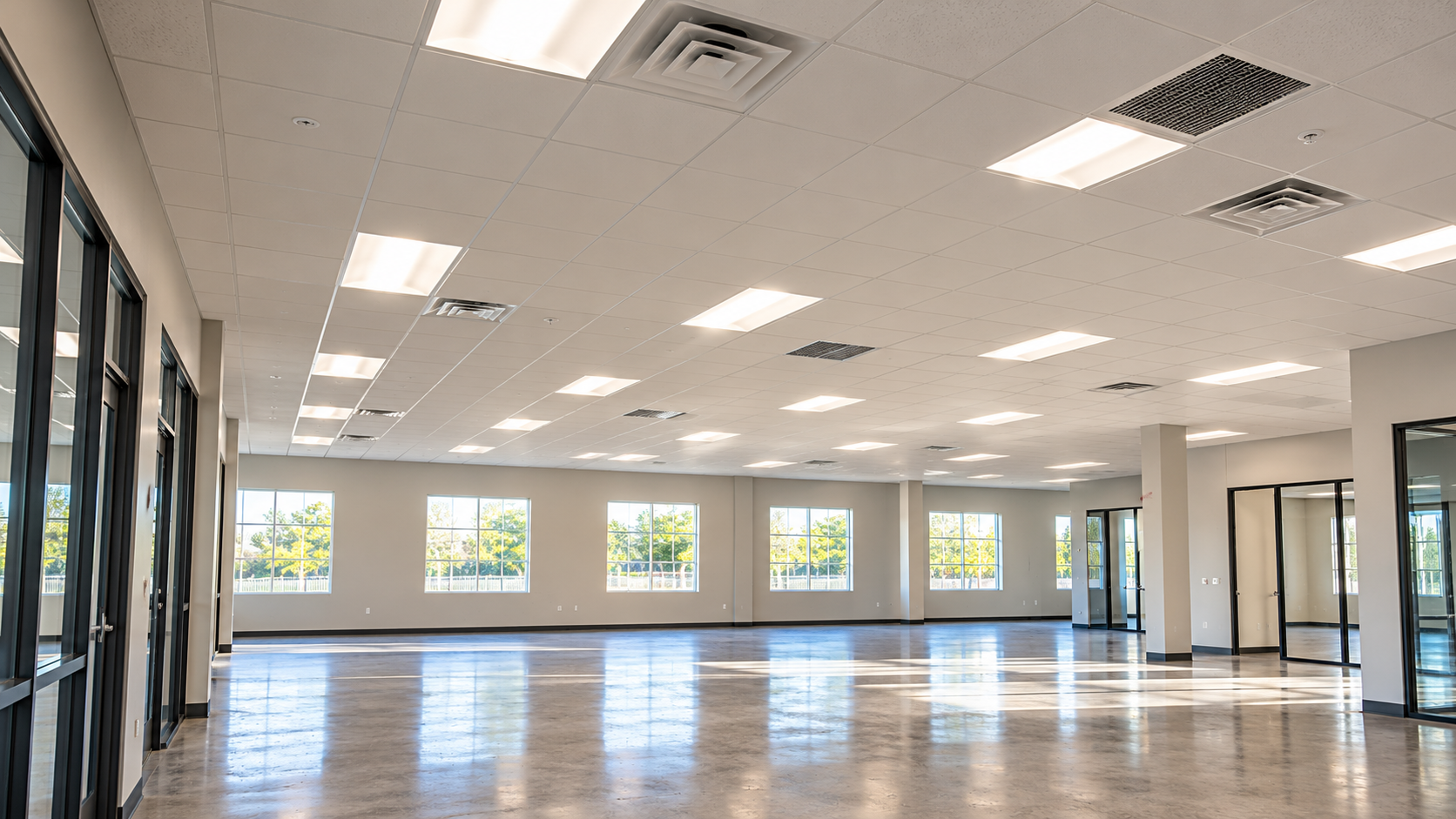
Centennial Hills HVAC controls make it possible for different parts of a building to stay comfortable at the same time. Centennial Hills, in the northwest corner of Las Vegas near the 215 and US-95, has grown fast with shopping centers, medical offices, professional suites, and fitness studios. Many tenant spaces here have a mix of sunny storefront areas, interior offices, and busy treatment or training rooms. One thermostat cannot keep all of them comfortable. Independent temperature zones solve that problem. This post explains how to plan zone controls during a Centennial Hills tenant build-out.
Tenants, office managers, and contractors will find a clear path below for setting up zones that work.

What an Independent Zone Is
Think of a zone as a slice of the building with its own thermostat and its own say over airflow. When one zone calls for cooling, it gets air. When another zone reaches its setpoint, its damper closes. As a result, each area stays closer to its set temperature. A zone can run on its own rooftop unit, a VAV box, or motorized dampers off a shared unit.
Why Zoning Matters in Centennial Hills
Many Centennial Hills buildings face open desert and mountain views to the west. Afternoon sun heats west-facing rooms quickly. Meanwhile, interior rooms stay cooler. In addition, busy rooms like conference rooms or group fitness studios heat up fast when full. Without zones, comfort complaints never stop.
Start Centennial Hills HVAC Controls Planning With a Zone Map
First, mark the floor plan by sun exposure, use, and schedule. Group rooms that behave alike. For example, west-facing offices can share a zone. Interior storage can share another. Conference rooms may each get their own zone. Next, count how many zones the budget allows. A clear map guides every equipment choice.
Choosing the Zoning Method
Small suites with two or three zones may use separate rooftop units. Larger suites may use one unit with motorized dampers and a zone control panel. Multi-tenant buildings may use variable air volume boxes. Each method has pros and cons for cost, comfort, and maintenance. Your contractor can recommend the best fit for your space.
Centennial Hills HVAC Controls and Thermostats
Every zone gets its own thermostat, and placement matters. Mount it on an inside wall, away from windows, diffusers, and heat sources. Smart models add schedules, phone control, and alerts. In addition, some systems use wireless sensors that report to a central controller. Good placement prevents false readings.
Dampers and Bypass
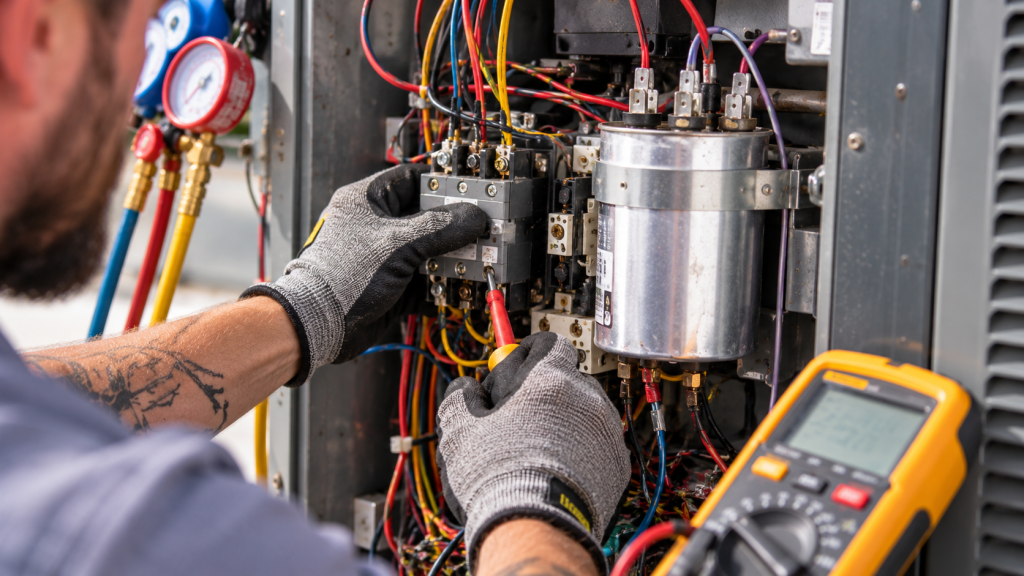
When dampers close off zones, the unit still pushes the same air. That can raise duct pressure and noise. So zoned systems often use a bypass damper or a variable-speed fan to handle the extra air. The design must account for this. Otherwise, the unit may freeze up or strain.
Scheduling and Setbacks
Zones work best with schedules. A reception area may run from seven to six, while a training room runs only during classes. After hours, zones can set back to save energy. In addition, occupancy sensors can turn zones on only when people are present. These features cut bills without hurting comfort.
Centennial Hills HVAC Controls for Medical Offices
Centennial Hills has many medical, dental, and physical therapy offices. Exam rooms and therapy areas often need their own zones. Patients often wear thin gowns, so steady warmth matters. In addition, sterilization rooms produce heat. Zoning keeps each area right for its purpose.
Fitness and Training Studios
Gyms and studios swing from empty to packed in minutes. A zone for the workout floor lets the system respond quickly. Lobbies and offices can run on separate zones. CO2 sensors can also bring in more outside air while a class runs. This keeps the room cool and the air fresh.
Wiring and Integration
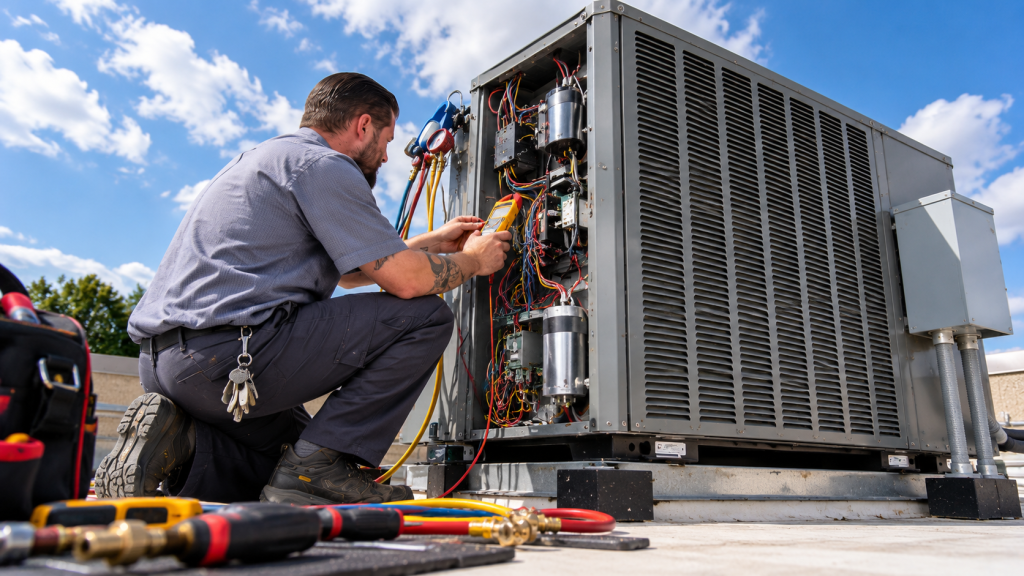
Zone controls need low-voltage wiring between thermostats, dampers, and the control panel. Run this wiring before ceilings close. In addition, connect controls to the building’s network if you want remote access. Coordinating with the electrician and IT team early avoids rework.
Permits in the City of Las Vegas
Centennial Hills is part of Las Vegas proper, so adding zones, dampers, or new units usually needs a mechanical permit. Plans should show zones, equipment, and controls. The city posts the steps on its Building and Safety page. In addition, landlords often review control changes in multi-tenant buildings.
Testing the Zones
After installation, the technician tests each zone. They call for cooling and heating in turn and confirm the right dampers open. They also balance airflow so each zone gets enough air. Our page on testing and balancing describes this step. Testing catches wiring mistakes before staff notice.
Energy Savings
Zoning can lower energy use by cooling only where needed. In addition, smart controls track usage and spot problems early. Check NV Energy for current business incentives. Savings add up over a long lease.
Budgeting Centennial Hills HVAC Controls
Price follows the zone count, the method, and the controls you pick. Smart thermostats on separate units cost less than a full damper system. However, damper systems can make better use of one larger unit. Our HVAC cost page shows typical ranges.
Mountain Winds and Cool Mornings
Northwest Las Vegas sits higher than much of the valley. Mornings can be cool even in late spring, while afternoons turn hot. So zones may switch from heating to cooling in one day. Good controls handle this smoothly with proper changeover settings.
Training Staff
Zones only help if people use them well. So show staff how schedules and overrides work. Post a short guide by each thermostat. In addition, lock settings in shared areas to prevent thermostat wars.
Centennial Hills HVAC Controls for After-Hours Use
Some tenants work late or open on weekends. A dentist may see patients on Saturday, while the front office stays closed. Zones let the system cool only the rooms in use. In addition, a simple override button lets staff add an hour of cooling without changing the schedule. This saves energy and keeps late workers comfortable.
Keep Zones Simple
Fewer, well-chosen zones often work better than many small ones. Group similar rooms. Keep thermostats easy to read. Label each zone clearly. Simple setups are easier to run and fix.
Centennial Hills HVAC Controls for Retail Storefronts
Retail tenants in Centennial Hills shopping centers face a hot entrance and a cooler back room. A separate zone for the sales floor lets the system push extra air where doors open often. Meanwhile, the stockroom and office can run warmer. Morning schedules also cool the store before the doors open. Shoppers walk into a comfortable space every time.
Tips for Tenants
- Map zones by sun, use, and schedule
- Give conference and treatment rooms their own zones
- Place thermostats on inside walls
- Plan for bypass or variable-speed fans
- Train staff on schedules and overrides
Centennial Hills HVAC Controls Checklist
- Create a zone map
- Pick the zoning method
- Place thermostats and sensors
- Plan dampers and bypass
- Run wiring before ceilings close
- Get city permits
- Test, balance, and train
Comfort for Every Room
Independent temperature zones keep every part of a Centennial Hills space comfortable, from sunny offices to busy studios. With smart planning and good controls, your tenants and staff will feel the difference every day. Read more about our Las Vegas HVAC work, or ask about zone controls.